Science
Sperm Whale Headbutt Caught on Camera for First Time
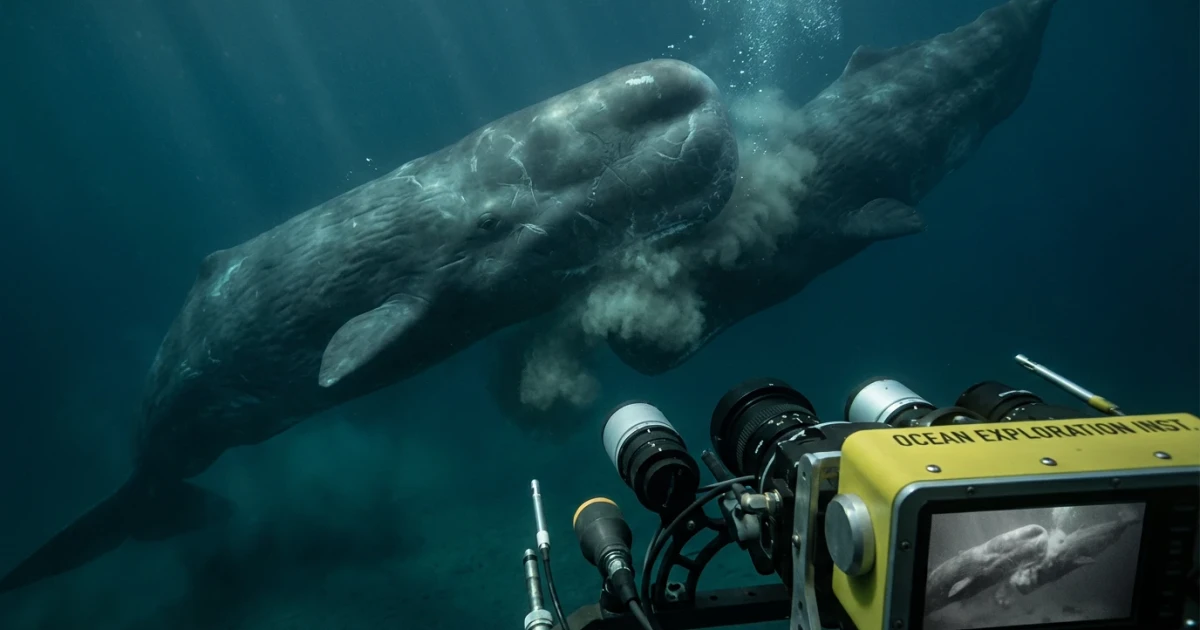
Sperm whales, long known as the inspiration for the legendary white whale in Moby-Dick, have been filmed headbutting for the first time—a dramatic moment that brings to life scenes once only imagined in literature. The footage, recently captured and reported by The Telegraph, offers a rare glimpse into the behavior that underpinned Herman Melville’s classic tale.
Historic Footage Reveals Rare Whale Behavior
The remarkable video shows a sperm whale forcefully striking another with its massive head, a behavior scientists have theorized but never before documented so clearly. The Telegraph notes that this display echoes the infamous moment when a sperm whale rammed the whaleship Essex in 1820—a real-life event that inspired Melville’s novel.
- Sperm whales possess the largest heads of any animal on earth, which can make up to one-third of their body length.
- Their heads contain the spermaceti organ, believed to aid in both echolocation and, as now dramatically confirmed, headbutting.
Why Do Sperm Whales Headbutt?
Researchers have long suspected that headbutting serves as a form of aggression or dominance within sperm whale social structures. According to the peer-reviewed literature, sperm whale social groups are typically matriarchal, with males often engaging in aggressive displays as they mature and seek to assert control or gain mating rights. The new footage provides visual confirmation of these theories and offers scientists fresh material to analyze the mechanics and context of the behavior.
From Fact to Fiction—and Back Again
The link between sperm whale headbutting and the famous attack on the Essex has fascinated researchers and readers for generations. While Melville’s depiction was once dismissed as literary exaggeration, modern science continues to vindicate his observations. The captured footage not only verifies that sperm whales are capable of deliberate, forceful ramming but also suggests that such behavior could have had deadly consequences for wooden ships in the 19th century.
Conservation and Ongoing Research
Sperm whales are currently listed as vulnerable on the IUCN Red List, with populations threatened by ship strikes, entanglement, and noise pollution. Documenting their natural behaviors is critical for developing effective conservation strategies. Ongoing research projects are now expected to use the new footage to better understand social dynamics, aggression, and the role of physical displays in sperm whale communities.
Looking Forward
This first-of-its-kind visual evidence not only bridges the gap between maritime legend and marine biology, but also promises to shape future studies of one of the ocean’s most enigmatic giants. As scientists continue to analyze the footage and its implications, the world gains a deeper appreciation for the complexity—and raw power—of the animal that inspired one of literature’s greatest stories.