Entertainment
Spielberg’s Disclosure Day opens to $94M worldwide, earns rave reviews

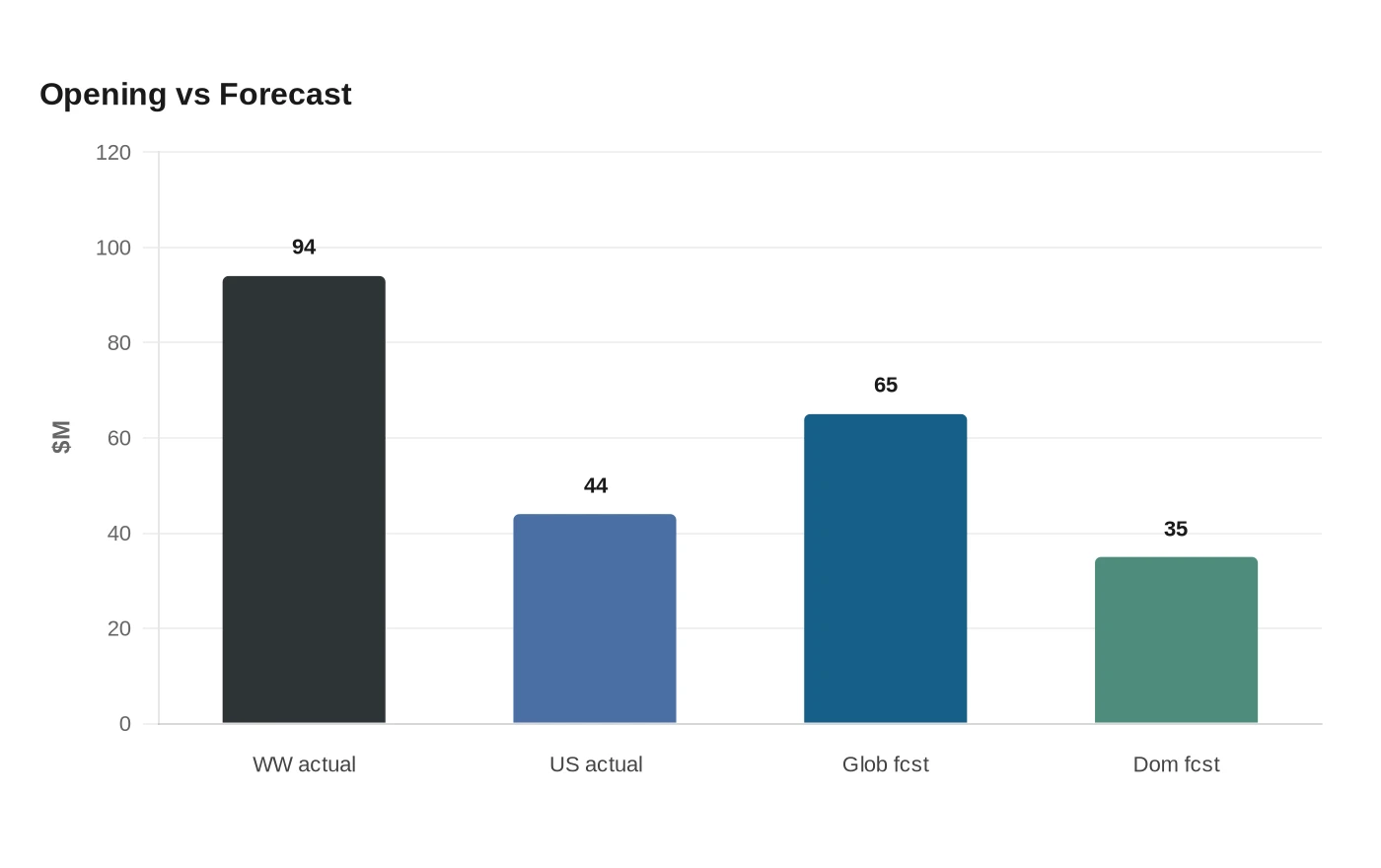
Steven Spielberg’s Disclosure Day turned into a rare original-movie breakout, opening to $94 million worldwide and $44 million in the U.S. after forecasts had pointed closer to $35 million domestically and about $65 million globally. Half of the domestic haul came from IMAX and other premium large-format screens, a sign that audiences still respond when a non-franchise film is sold as a must-see theatrical event.
The stronger-than-expected launch raises a larger question about moviegoing in 2026: why did an original alien picture, led by Spielberg, cut through so effectively while so many studio releases lean on sequels, remakes and familiar brands? The answer appears to be a mix of scale, trust and spectacle. Spielberg’s name still carries unusual weight with audiences, and Disclosure Day delivered the kind of premium-format experience that can justify a trip to U.S. theaters rather than a delayed home viewing.
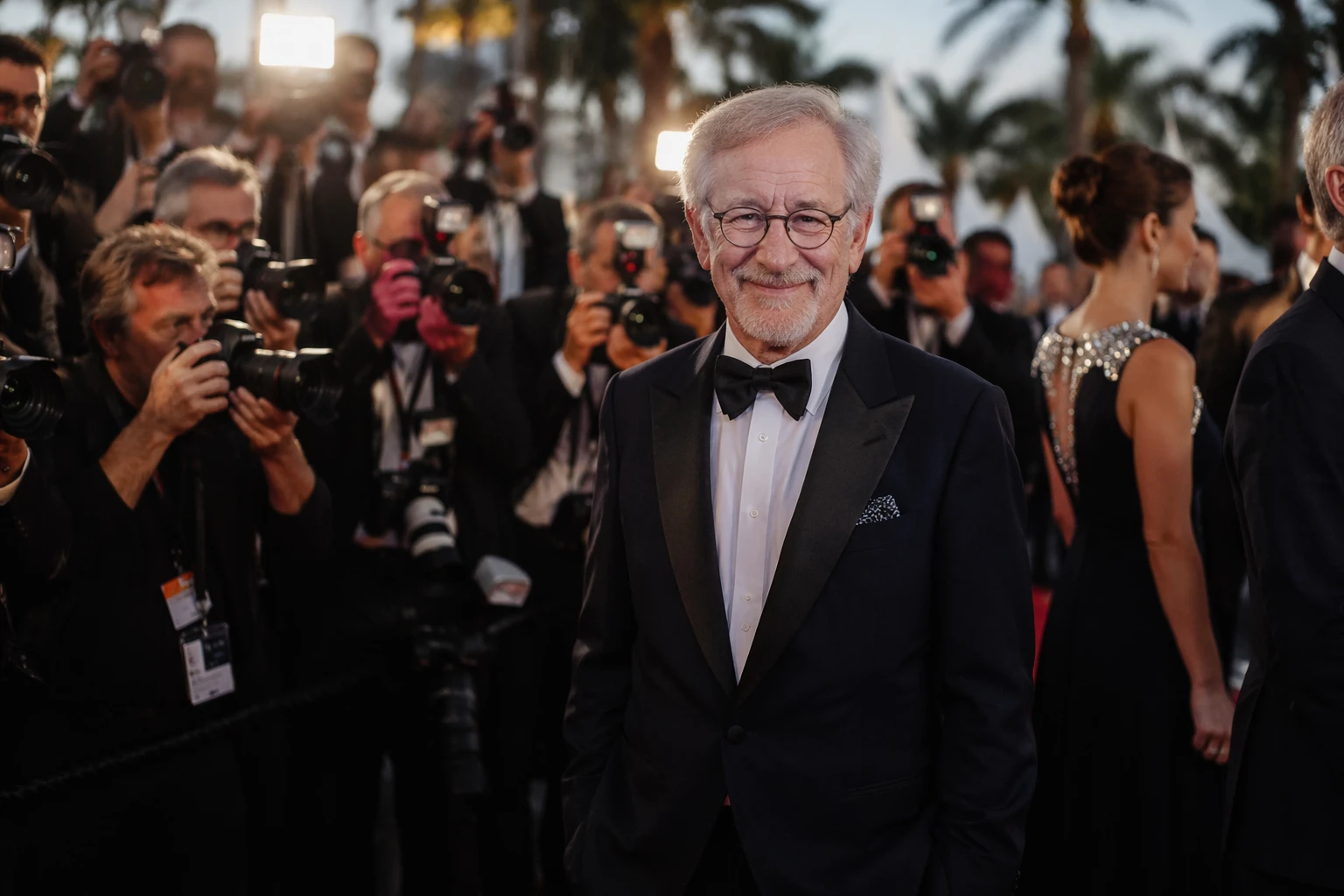
The film also arrived with momentum from early reaction. Rotten Tomatoes’ first-reactions roundup said critics were overwhelmingly positive, with some calling it Spielberg’s best film in years and praising Emily Blunt’s performance as one of the strongest of her career. The movie centers on a whistleblower and a meteorologist drawn into a government conspiracy involving extraterrestrial sightings and contact, a premise that gives the spectacle a public-interest hook instead of treating the alien material as pure fantasy.

Spielberg’s cast is anchored by Blunt and includes Colman Domingo, Josh O’Connor and Colin Firth. The film opened on June 12, 2026, and the response suggests there is still a global audience for a director-driven original when the concept feels both urgent and large enough for the biggest screens. Spielberg has long said he suspects humanity is not alone, and Disclosure Day turns that conviction into commercial muscle.
There is also a broader cultural current beneath the box-office result. AP reporting on religion and UFOs has noted that about 30% of U.S. adults claim no religious affiliation, a reminder that belief, institutional trust and public curiosity about extraterrestrial life now overlap in complicated ways. Disclosure Day did not just sell aliens; it tapped into a market that still wants big-screen mystery with an unmistakable human stake.