Health
Spike in Infant Bleeding Tied to Decline in Vitamin K Shots
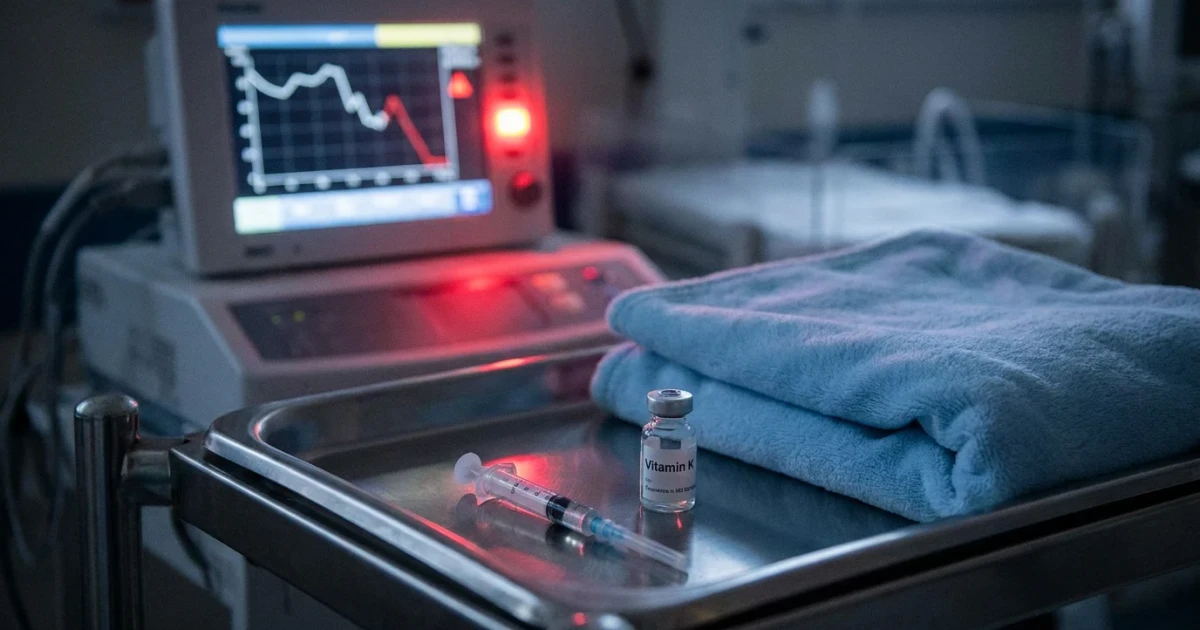
Newborns in the United States are facing an uptick in life-threatening bleeding episodes, a trend that health officials say is closely linked to a growing number of parents declining the routine vitamin K injection administered at birth. The injection, which has been a standard part of newborn care for decades, is designed to prevent a rare but severe condition known as vitamin K deficiency bleeding (VKDB).
Understanding Vitamin K Deficiency Bleeding
Vitamin K is critical for blood clotting. Newborns naturally have low levels because vitamin K doesn’t cross the placenta efficiently, and their gut bacteria—another source—haven’t developed yet. Without supplementation, infants are at risk for VKDB, which can lead to uncontrollable bleeding in the brain, intestines, or other organs. The StatPearls medical reference underscores that VKDB can be fatal or cause permanent neurological damage.
The Centers for Disease Control and Prevention (CDC) reports that, when the vitamin K shot is given, VKDB is almost entirely preventable. The official CDC fact sheet notes that before routine administration began in the 1960s, between 10 and 20 babies per 100,000 developed late VKDB; after the shot became standard, that number dropped to less than 1 per 100,000.
Rising Refusal Rates and Outbreaks
Recent outbreaks demonstrate the consequences of declining vitamin K prophylaxis. In 2013, Tennessee saw a cluster of four cases in infants whose parents refused the shot, according to a CDC Morbidity and Mortality Weekly Report. All four babies suffered severe bleeding—including brain hemorrhages—that required intensive care. Nationwide, similar trends have been documented, with CDC surveillance from 2007–2012 showing a rise in VKDB cases among infants whose parents declined the injection.
- VKDB is rare but deadly: Without the vitamin K shot, risk rises to 60–80 per 100,000 infants for late-onset bleeding, per CDC data.
- Refusal rates are climbing: Some hospitals now report refusal rates of 3%–5%, according to Salon.com and medical literature.
- Consequences are severe: Cases frequently involve brain bleeding, which can cause lifelong disability or death.
Why Are Parents Refusing the Shot?
Surveys and interviews with parents, as noted in Salon.com, reveal a mix of concerns driving refusals:
- Misinformation linking vitamin K to autism or other side effects, despite lack of scientific evidence
- Desire for a "natural" birth process, with minimal medical intervention
- Confusion between vitamin K and vaccines, leading some to group the shot with routine immunizations
However, the CDC’s explainer on vitamin K injection safety emphasizes that the shot is safe and not a vaccine. Adverse events are extremely rare, and the benefits far outweigh the risks.
Expert Recommendations and Public Health Response
Major health organizations, including the American Academy of Pediatrics and the CDC, urge all parents to accept vitamin K prophylaxis for newborns. Global research, such as a comprehensive review in the International Journal of Pediatrics, confirms that countries with routine vitamin K policies see dramatically lower rates of infant bleeding complications.
Hospitals and pediatricians are ramping up education efforts to counteract misinformation. Many experts say that clear communication about the safety and necessity of vitamin K is key to protecting newborns.
Looking Ahead
As more infants are placed at risk by the trend of vitamin K refusal, health leaders warn that preventable tragedies will continue unless awareness improves. The medical consensus remains that the vitamin K shot is a simple, safe, and essential safeguard for every newborn’s health.