Business
Spirit Airlines Disappears After Blocked JetBlue Merger
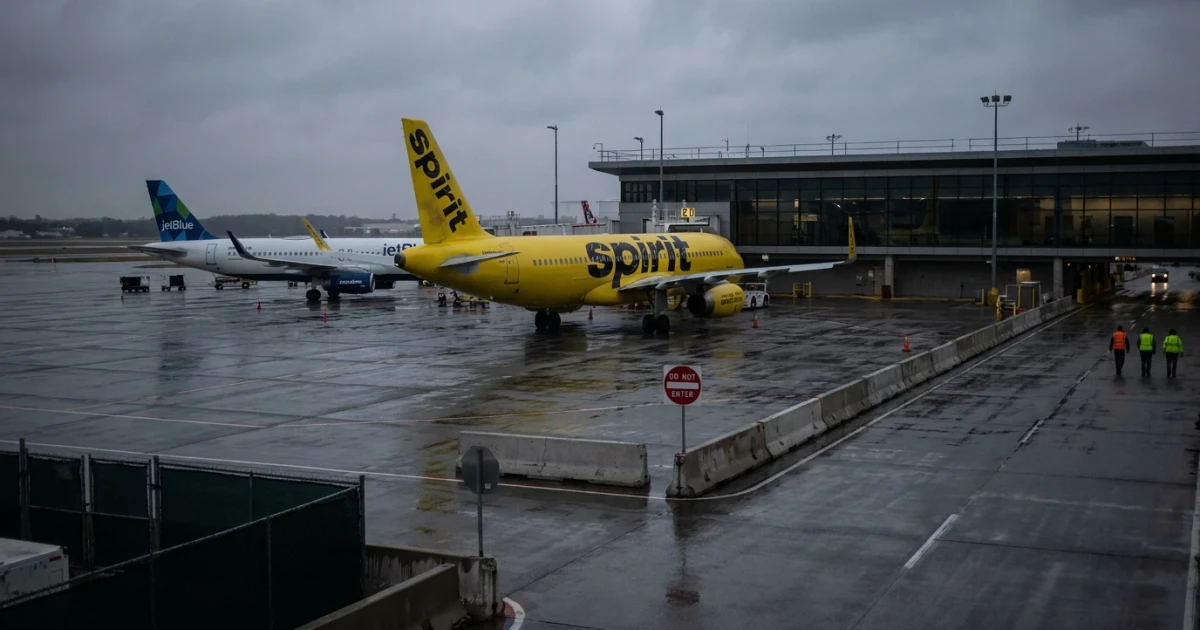
Spirit Airlines, once a key player in the U.S. low-cost carrier market, has ceased to exist after its attempt to merge with JetBlue was blocked—a decision celebrated by Senator Elizabeth Warren as a win for consumers and the Biden administration. The fallout now leaves industry experts, lawmakers, and travelers debating the long-term impact on competition, fares, and the future of budget air travel.
Background: A Blocked Merger and Political Reactions
The proposed $3.8 billion merger between Spirit Airlines and JetBlue Airways was one of the most closely watched U.S. airline deals in recent years. The move promised to create the fifth-largest U.S. airline—potentially reshaping the competitive landscape. However, the Biden administration, with outspoken support from Senator Elizabeth Warren, intervened to block the deal, arguing it would reduce competition and harm consumers by eliminating one of the few ultra-low-cost options.
"Blocking this merger is a Biden win for flyers."
Spirit Airlines' Demise
Despite official optimism, the underlying financial struggles of Spirit Airlines continued to worsen. According to Spirit's public financial statements, the airline operated on thin margins and faced mounting losses in recent years. Without the merger, Spirit lacked the scale, capital, and operational flexibility to compete against larger rivals or withstand industry shocks.
- Spirit’s revenues and passenger numbers lagged well behind leading U.S. carriers
- Intense fare competition and rising costs squeezed Spirit’s already low profit margins
- Industry-wide challenges—from volatile fuel prices to shifting travel demand—further eroded Spirit’s financial position
Ultimately, without the lifeline of a merger or major new investment, Spirit was forced to wind down operations and exit the market entirely.
Debate Over Consumer Impact
The disappearance of Spirit Airlines has reignited debate over the effectiveness of antitrust enforcement in the airline sector. Supporters of the administration’s move, like Senator Warren, insist blocking the merger preserved competition and protected customers from higher fares and reduced choice. However, critics argue the outcome—a vanished low-cost carrier—may actually harm the very flyers policymakers sought to help.
Travelers who relied on Spirit’s ultra-low fares now have fewer options, potentially leading to higher average airfares and less competitive pressure on the remaining major airlines. The situation highlights a central tension in airline regulation: balancing consolidation’s potential efficiency gains against risks to consumer choice and pricing.
Industry Context and Labor Implications
The U.S. airline industry has seen repeated cycles of consolidation, bankruptcies, and business model shifts over the past few decades. According to data from the Federal Reserve Economic Data (FRED), the air transportation sector remains a significant contributor to the nation’s GDP, but faces persistent volatility due to economic cycles, fuel costs, and changing travel patterns.
Spirit’s exit also affects thousands of employees. The Bureau of Labor Statistics tracks employment trends in the air transportation sector, and Spirit’s closure could mean layoffs, relocations, or forced early retirements for its workforce. The long-term effects on competition, fares, and airline employment remain unclear.
Looking Ahead
The Spirit-JetBlue merger saga and Spirit’s subsequent demise underscore the complexities of airline competition policy. While the administration aimed to safeguard consumer interests, the loss of a major low-cost carrier may have unintended consequences for market dynamics and affordability. Industry observers and policymakers will be watching closely to see how remaining airlines respond—and whether new players or business models emerge to fill the gap left by Spirit’s departure.