Business
Spirit Airlines Faces Shutdown Amid Mounting Financial Woes
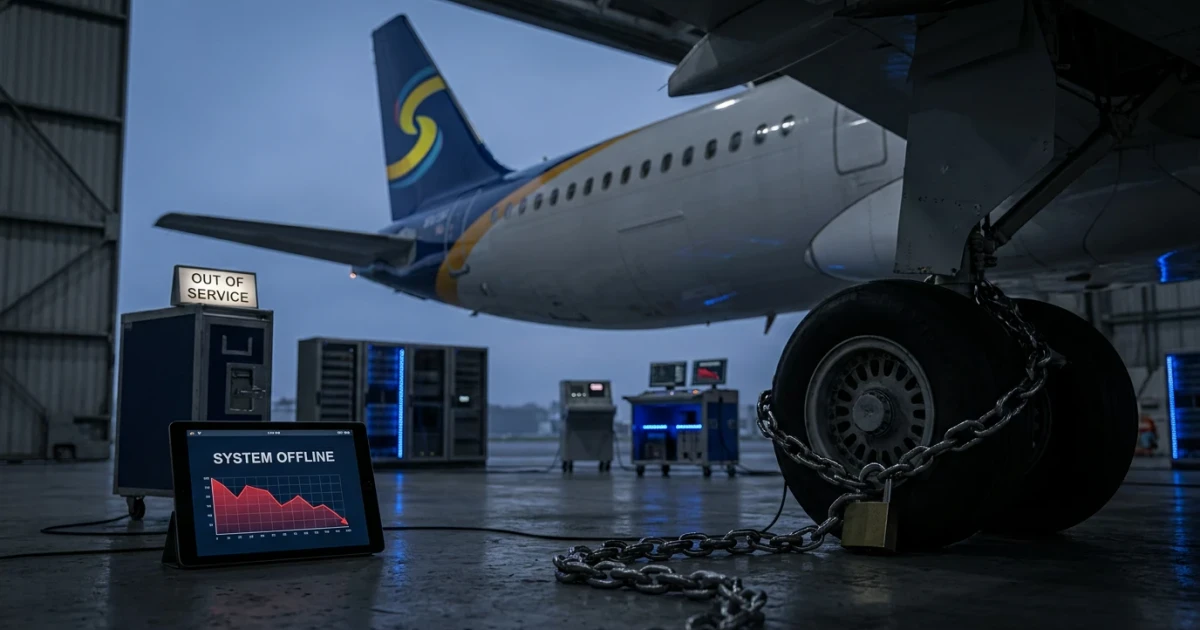
Spirit Airlines, the low-cost carrier known for its budget fares and no-frills service, is preparing to cease operations as it grapples with severe financial challenges and the sting of rising oil prices. Multiple reports, including coverage from The Guardian, indicate that the airline's efforts to secure a rescue deal have collapsed, leaving its future in doubt.
Failed Rescue Deal and Immediate Impact
According to The Guardian, Spirit Airlines' plans to remain operational unraveled after a critical rescue deal fell apart. This development puts the airline on the brink of shutting down, a scenario that would mark one of the most significant U.S. airline failures in recent years. The failed deal comes amid growing industry headwinds, with Spirit struggling to cover its costs and maintain liquidity.
Financial Pressures Intensify
Spirit's financial troubles have been mounting for months, fueled by a combination of industry-wide challenges and company-specific issues. Among the most significant hurdles is the steep rise in jet fuel costs, which have historically been a major expense for airlines. Data from the U.S. Energy Information Administration shows that jet fuel prices have surged in recent years, squeezing profit margins and putting additional strain on carriers with thin operating margins like Spirit.
Official filings available through the SEC EDGAR database highlight the airline's deteriorating financial position, with increasing losses and mounting debt. Industry-wide statistics from the Bureau of Transportation Statistics further underline the challenges: U.S. airlines have faced rising costs and uneven demand, but Spirit's exposure as a discount carrier has left it particularly vulnerable.
Industry and Customer Implications
If Spirit Airlines ceases operations, the consequences would ripple across the travel industry. The airline has long positioned itself as a low-cost alternative, serving price-sensitive travelers on domestic and some international routes. Its exit could lead to reduced competition on key routes, potentially raising fares for consumers who rely on budget options.
- Spirit Airlines operates a sizable fleet, as detailed in FAA commercial airline data, serving dozens of cities across the United States and Latin America.
- Previous industry downturns, according to IATA economic analysis, have shown that the collapse of a major carrier can disrupt supply chains, lead to job losses, and strand travelers.
Broader Context: Rising Costs and Market Shifts
Spirit's predicament is emblematic of broader trends affecting the airline industry. The sharp climb in jet fuel prices has pressured airlines of all sizes, but carriers with less cash on hand or fewer premium offerings have struggled most to adapt. At the same time, shifting travel demand patterns and increased competition from both legacy and ultra-low-cost airlines have created a challenging environment for survival.
Official financial reviews, such as those from the BTS 2022 Annual Airline Financial Review, document how even in pre-pandemic years, Spirit maintained some of the lowest operating costs in the industry but was also among the most exposed to swings in fuel prices and demand shocks.
Looking Ahead
As Spirit Airlines prepares for a possible shutdown, the industry awaits further developments. The airline's closure would mark a turning point for America's low-cost airline sector and could signal further consolidation if other carriers move to acquire Spirit's assets or route authorities. Passengers with upcoming bookings are advised to monitor official announcements and consider alternative travel arrangements as the situation evolves. For a deeper dive into Spirit's financial filings and regulatory status, readers can explore the SEC EDGAR filings.
With volatile fuel costs and shifting market conditions, the fate of Spirit Airlines serves as a reminder of the challenges facing the aviation industry—and the importance of resilience in an ever-changing economic landscape.