Business
Spirit Airlines Shuts Down After Rescue Deal Collapse
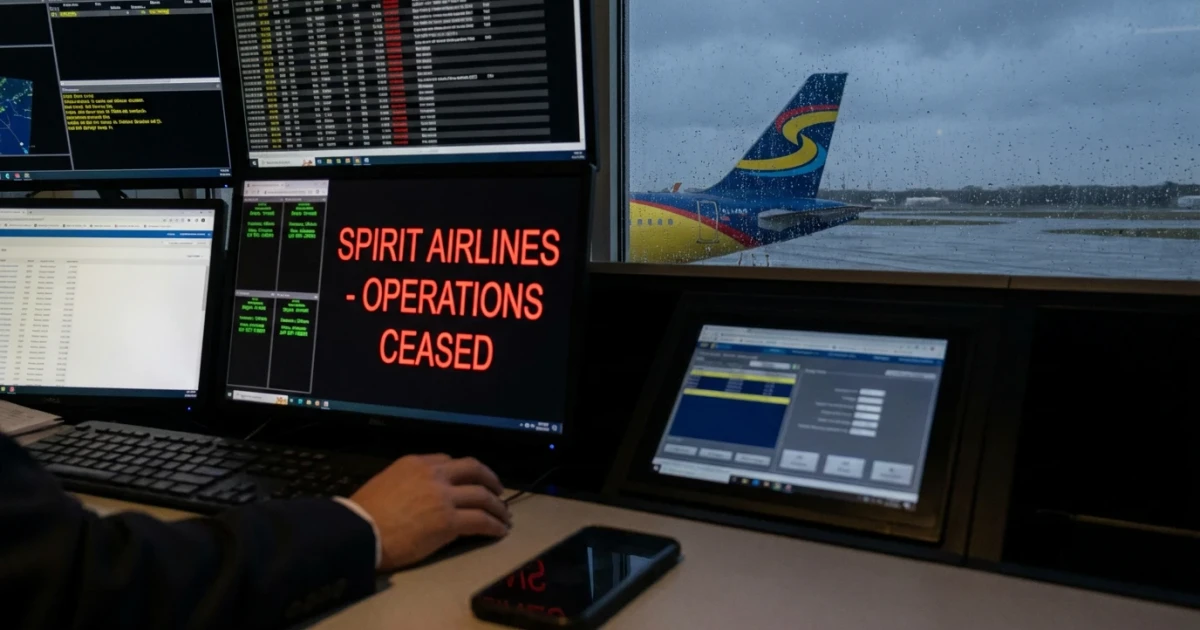
Spirit Airlines, a major player in the U.S. budget travel market, has ceased operations after the collapse of a proposed White House rescue deal. The shutdown, confirmed by The Washington Post, leaves thousands of passengers stranded and marks a significant development in the airline industry as Spirit cancels all scheduled flights and begins the process of winding down its business.
White House Rescue Deal Fails
The closure of Spirit Airlines follows the breakdown of last-minute negotiations between the company and federal officials. The Washington Post reported that the White House had been considering a financial package aimed at keeping the carrier afloat amid mounting losses. However, talks ultimately failed, leaving Spirit with no alternative but to terminate operations. The rescue deal was seen as a potential lifeline for the ultra-low-cost airline, whose financial struggles had intensified in recent months.
Immediate Impact on Passengers
With Spirit abruptly canceling all flights, travelers across the country faced widespread disruptions. The Washington Post noted that affected passengers were left scrambling for alternative arrangements, while competing airlines, including Frontier Airlines, offered rescue fares to accommodate those impacted by Spirit's shutdown. The Department of Transportation is monitoring the situation closely, encouraging passengers to seek refunds and compensation under federal guidelines.
- All Spirit flights canceled effective immediately
- Frontier and other carriers offering special fares to stranded passengers
- DOT advises passengers to review refund options and regulatory protections
Financial Troubles and Industry Context
Spirit's shutdown highlights the financial volatility facing U.S. airlines, particularly those operating on a low-cost model. According to U.S. Airline Financial Data, Spirit had been reporting declining revenues and increased operating costs, raising concerns among analysts about its sustainability. The company's attempts to secure government support were unsuccessful, despite intervention from federal officials. Spirit's official SEC filings reveal mounting debts and repeated warnings about liquidity risks in recent quarters.
Industry experts point to broader challenges in the airline sector, where rising fuel prices, labor shortages, and increased competition have eroded margins. The shutdown of Spirit is the latest in a series of setbacks for budget carriers, with the Department of Transportation maintaining an updated list of airline bankruptcies and shutdowns.
Response from Competitors and Regulators
Frontier Airlines and other low-cost competitors are responding by offering discounted fares to Spirit's former customers. The Washington Post reported that industry leaders are closely monitoring the ripple effects, as Spirit's exit from the market could reshape pricing and route availability for budget travelers. Federal regulators are reviewing Spirit's shutdown to determine compliance with consumer protection laws, and the Department of Transportation has issued guidance for affected passengers.
Looking Ahead
The closure of Spirit Airlines signals a changing landscape for U.S. air travel, especially for price-sensitive consumers. With fewer ultra-low-cost options available, analysts anticipate potential increases in fares and reduced competition on certain routes. The demise of Spirit underscores the importance of financial resilience and adaptability in the airline industry, particularly as carriers navigate an uncertain economic environment.
As regulatory agencies and competing airlines work to minimize disruption, travelers and industry observers will be watching closely for further developments and longer-term impacts on the U.S. travel market.