US News
Squishy toy craze spreads, with schools banning some and safety fears rising
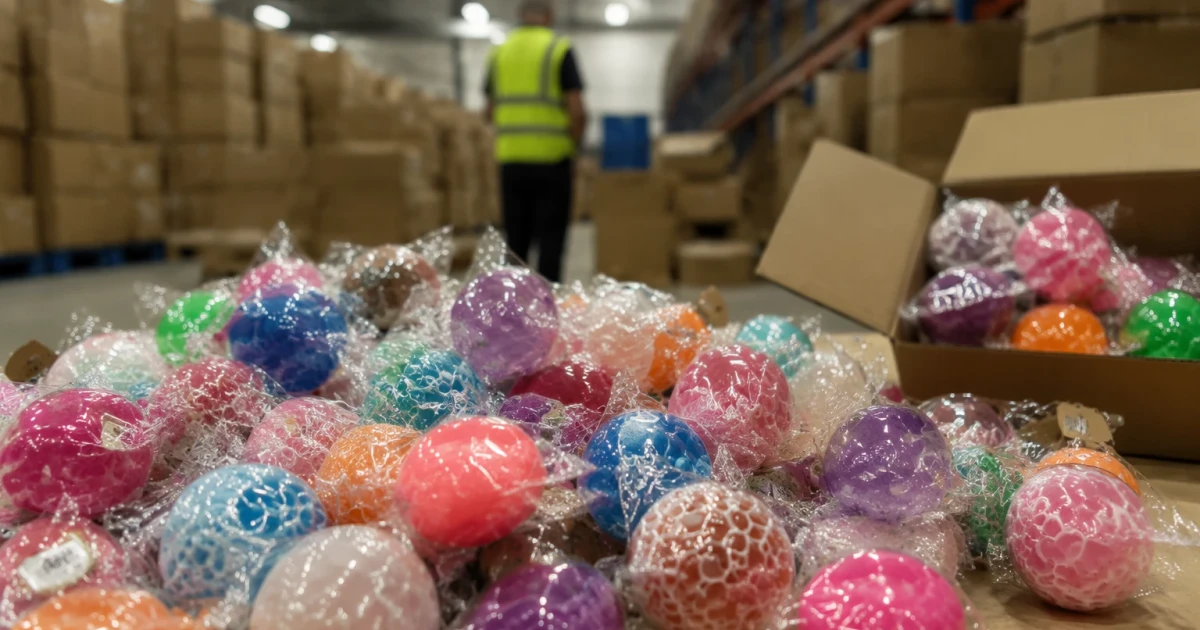
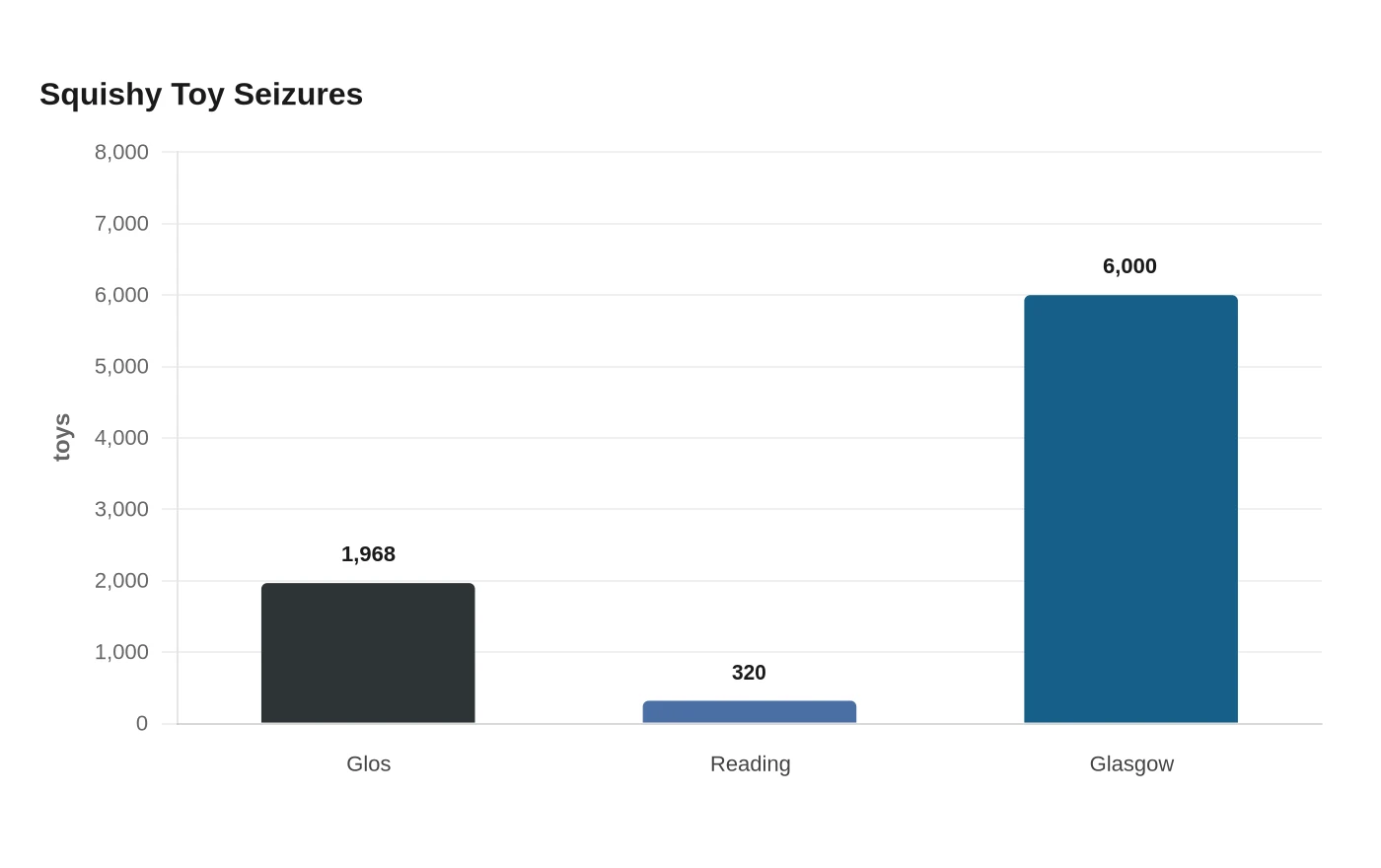
Gloucestershire trading standards officers seized 1,968 squishy toys over three months in June 2026, including copies of popular squishy dumpling and NeeDoh products that failed basic safety checks. Some of the toys were suspected counterfeit NeeDoh items, with common problems including strong chemical smells and missing or inadequate safety labels.
The seizures were part of a broader crackdown across the United Kingdom. Reading Borough Council's Trading Standards team took more than 320 potentially unsafe squishy toys from shops in Reading, while nearly 6,000 counterfeit squishy toys were pulled from a warehouse in Glasgow and hundreds of fake squishy dumpling toys were seized in Lancashire and Blackpool-related enforcement actions. Parents and carers were warned about the dangers as the toys moved quickly through shops, online marketplaces and playground trading circles.
On July 16, 2026, Understood and Hyperfocus aired an episode in which fidget toys like NeeDohs were sold out and banned in classrooms. On social media, the same products are used by neurodivergent adults for sensory self-regulation, while other parents and schools push back against the noise, fiddling and classroom drift they can bring.
The global fidget-toy market was about $8.1246 billion in 2024, while another estimate placed it at $7,458.98 million that year and forecast growth to $12,201.56 million by 2032. A separate forecast saw the market rising from $9.57 billion in 2026 to $17.65 billion by 2034. One other source valued the market at $1,311.35 million in 2021 and $1,798 million in 2025.
The 2017 fidget-spinner wave put the category in the mainstream: all 10 of Amazon’s top best-sellers in May of that year were fidget toys, and the Fidget Cube raised $6.4 million on Kickstarter. A 2023 study by Roche, Back and Van Herwegen found parents generally perceived fidget toys as helpful, especially for reducing anxiety.