World
Sri Lanka closes schools after floods and mudslides kill five
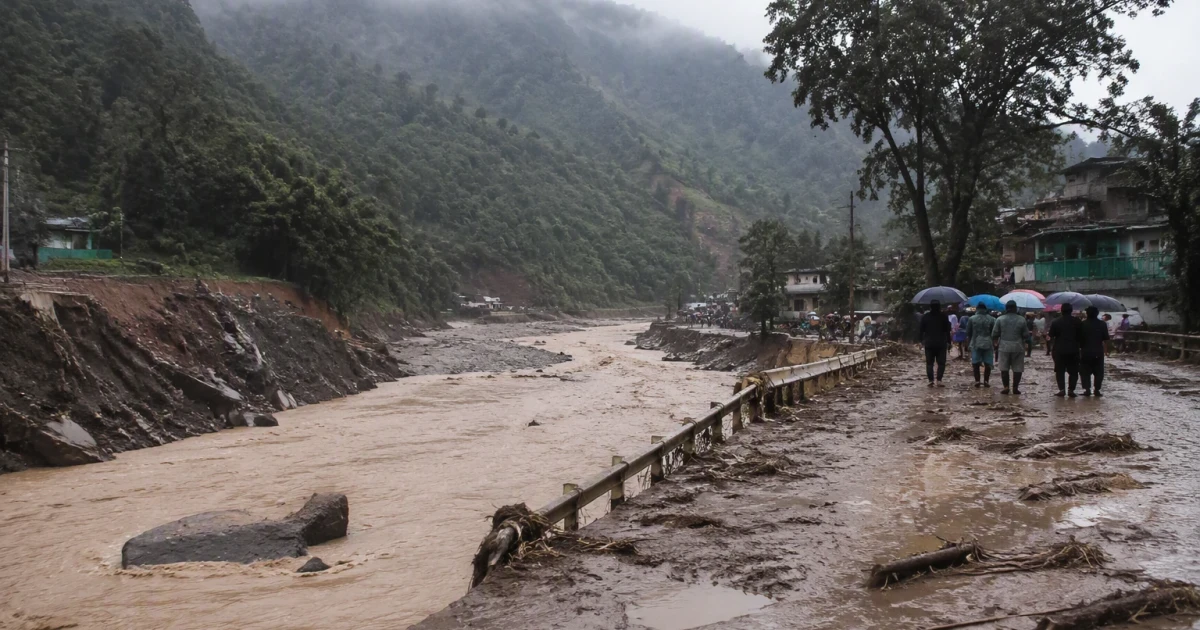
Sri Lanka closed schools in its tea-growing mountainous regions as heavy rain triggered floods and mudslides that killed five people and wounded three, officials said. Heavy downpours over the previous two days flooded homes, fields and roads in the central hill country, where steep terrain and saturated ground can turn a storm into a fast-moving disaster.
The worst-hit areas were in the country’s central region, including Kandy District and Nuwara Eliya District, where schools were shut to keep children off roads that were already being hit by flooding and slope failures. The closures were among the first visible measures as authorities moved to limit travel and reduce exposure in districts vulnerable to collapsing hillsides and rising water.
The damage was not confined to isolated slips. Floodwater and mudslides affected homes, fields and roads across the tea belt, disrupting daily movement through a region where settlements, farms and transport corridors sit close to unstable slopes. In rural and hill-country communities, that combination can isolate neighborhoods quickly, slow emergency access and deepen the toll long after the rain eases.
Sri Lanka has seen the same geography produce repeated crises. ReliefWeb’s archive of a 2022 disaster in Central Province shows heavy rainfall reported on Aug. 1 that left 12,289 people affected and 2,374 displaced by Aug. 3. In that event, three people died and three were missing in Nuwara Eliya District, underscoring how quickly the central hills can go from seasonal rain to mass disruption.
That history raises sharper questions about drainage, land-use planning and slope stabilization in the island’s mountain districts. When intense rain overwhelms drainage systems, the result is not just waterlogged streets but damaged homes, blocked roads, contaminated wells and interrupted work in an economy that depends heavily on movement through the central highlands.
The immediate emergency response now centers on keeping people away from unstable ground and maintaining access to the hardest-hit communities. But the pattern in Sri Lanka’s central province shows that each weather shock also tests whether schools, roads and hillside settlements have been built to withstand stronger and more frequent bursts of rain.
Sources
- [1]apnews.com
- [2]wral.com
- [3]seattlepi.com
- [4]newsfirst.lk
- [5]reliefweb.int