Health
Sri Lanka turns to air force drones to fight dengue outbreak
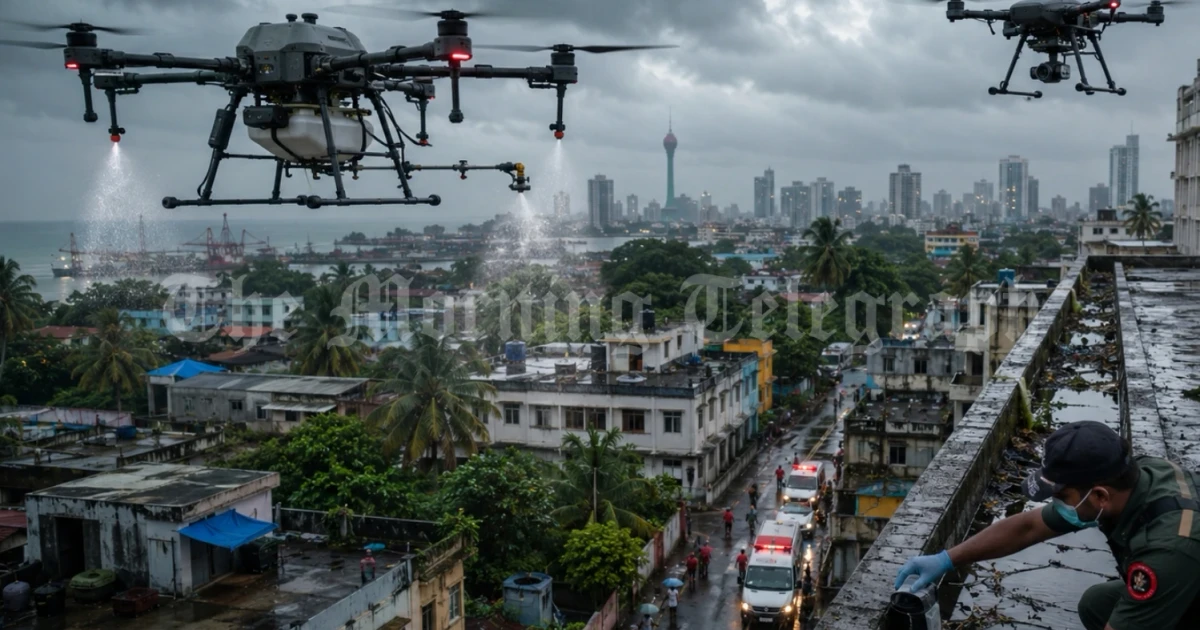
Sri Lanka sent air force drones over rooftops and crowded neighborhoods to hunt for stagnant water as dengue kept spreading, a move aimed at finding mosquito breeding sites faster than ground crews can. By July 6, official figures had reached 62,422 cases and 39 deaths for 2026, with Colombo at 12,663 cases and Gampaha at 12,582. Hospitals had already been taking more than 1,000 dengue admissions a day, and images from District General Hospital in Negombo showed the pressure on local services.
The air force role was practical, not combat-oriented. Drones were being used to scan roofs, map neighborhoods and flag pools of water in places that are hard to reach quickly, especially in densely built urban areas where poor drainage and standing water help mosquitoes multiply. That kind of targeting matters when an outbreak is moving fast, because officials can send cleanup crews, spraying teams and inspectors to specific blocks instead of treating entire districts the same way.
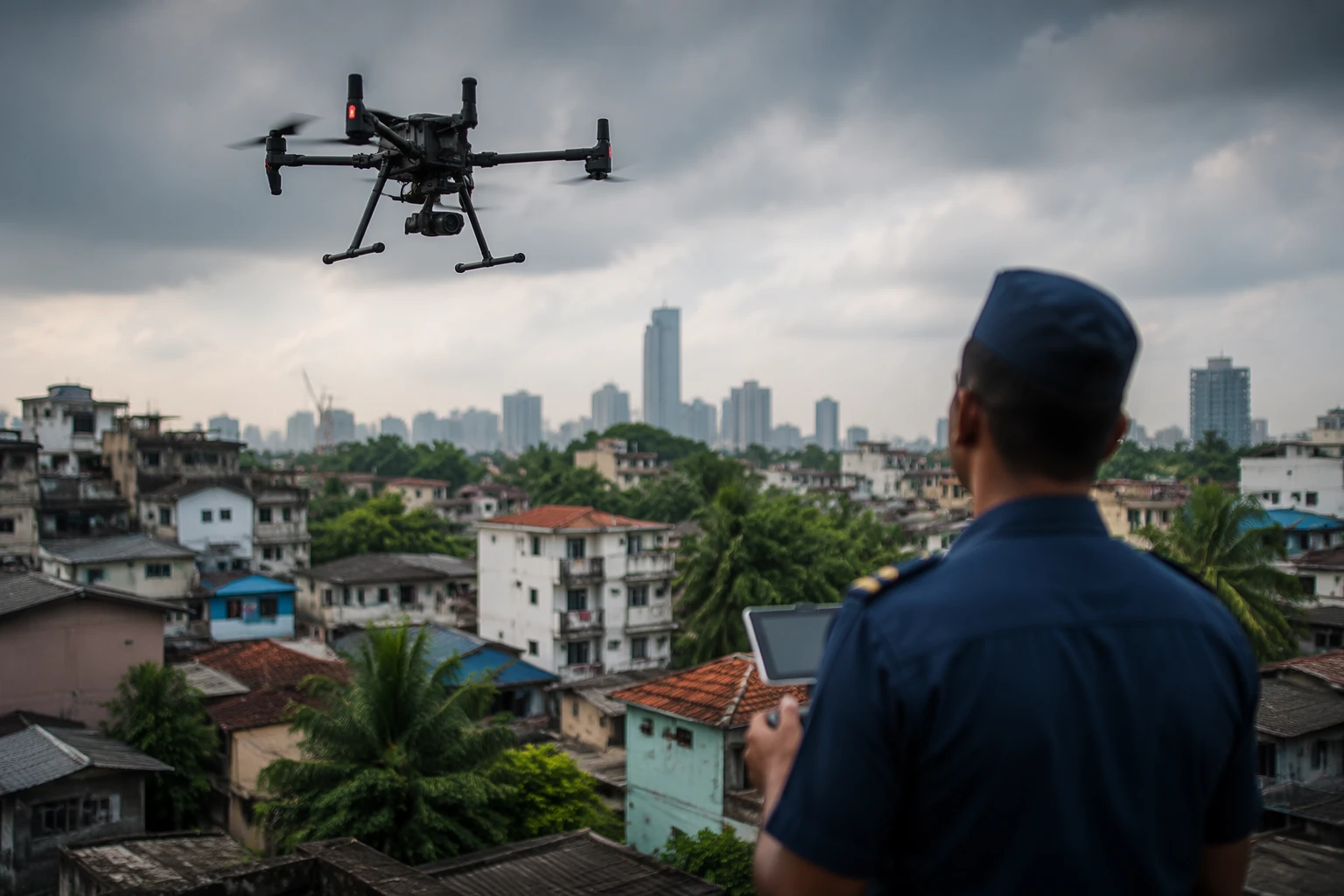
The evidence for drones is strongest at the surveillance stage. A 2022 review on mosquito surveillance and control found drones can accurately conduct surveillance, assess habitat suitability for larval and adult mosquitoes and support interventions. Other research has pushed that further, using aerial mapping to spot water bodies and identify Aedes-prone microhabitats linked to vegetation, shade and housing patterns. The value is not that a drone kills mosquitoes on its own, but that it gives health authorities a clearer picture of where breeding is likely to begin.

The limits are just as important. Drones can point teams toward likely breeding sites, but they do not remove containers, clear drains or prove larval presence without follow-up on the ground. Sri Lanka’s experiment looks less like a high-tech cure than a late-stage damage-control tool in a health emergency that had already become the worst dengue outbreak in nearly a decade. For other dengue-hit countries facing hotter weather, faster urban growth and repeated outbreaks, the lesson is blunt: aerial surveillance can sharpen response, but only if public-health systems have the manpower, transport and authority to act on what the cameras find.
Sources
- [1]reuters.com
- [2]france24.com
- [3]outbreaknewstoday.substack.com
- [4]internazionale.it
- [5]x.com