Lifestyle
St. Mary’s finally clears decades-old fish sauce smell from abandoned factory
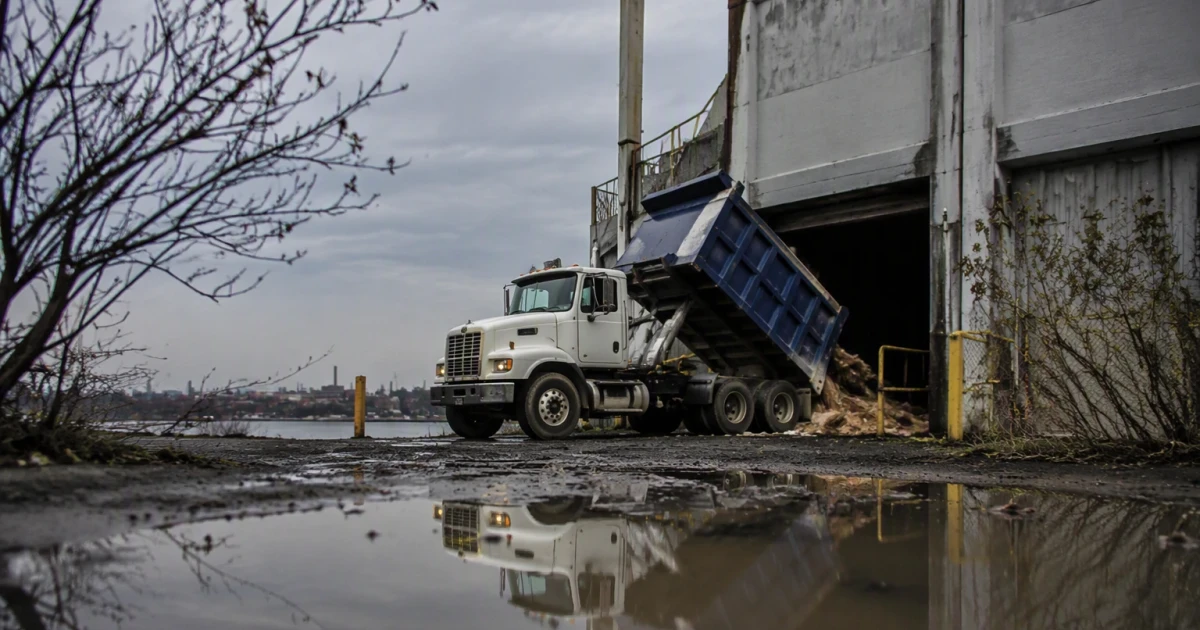
The first load of rotting, reeking fish sauce was trucked away from an abandoned factory in St. Mary’s, Newfoundland and Labrador, on July 28, 2026, marking the start of cleanup at a site that had sat unused for more than 20 years. The removal began to close out a problem locals had lived with for years, when the odor was strongest and the wind blew in the right direction.
The plant had held close to a million litres of rotting fish sauce baking in the heat for decades, according to CBC reporting, turning an old industrial building into a persistent environmental burden for a small town in Canada’s easternmost province. AP described the smell as rotten fish wafting over the community, a reminder that abandoned factories can shape daily life long after they stop operating. In St. Mary’s, the nuisance was not just unpleasant; it became part of the town’s identity and a test of whether rural communities can get the same cleanup attention as larger places with more political leverage.
The breakthrough came after years of frustration. On June 16, 2025, a report said the rotting fish-sauce plant would be cleaned up, and Mayor Steve Ryan said the town had finally received good news. A CBC video item said funding from the provincial government helped make the cleanup possible, and Ryan admitted he got emotional when the money came through.
The issue had been a local embarrassment for years before that. In May 2019, the stench from Newfoundland’s abandoned fish sauce factory was already being described as a long-running problem, with attention focused on what it would take to force a cleanup. The delay underscored how abandoned industrial sites can linger when responsibility is unclear and no one moves quickly to pay for remediation.
For residents of St. Mary’s, the haul-away was more than a maintenance project. It was a long-awaited answer to a basic quality-of-life problem that had hung over the town for decades, and a rare case in which persistence, provincial funding and public pressure finally pushed an abandoned plant toward closure.
Sources
- [1]apnews.com
- [2]cbc.ca
- [3]townandcountrytoday.com
- [4]eater.com
- [5]cp24.com
- [6]nytimes.com
- [7]wral.com
- [8]abcnews.com