World
Stampede at Haiti Fortress Leaves Dozens Dead
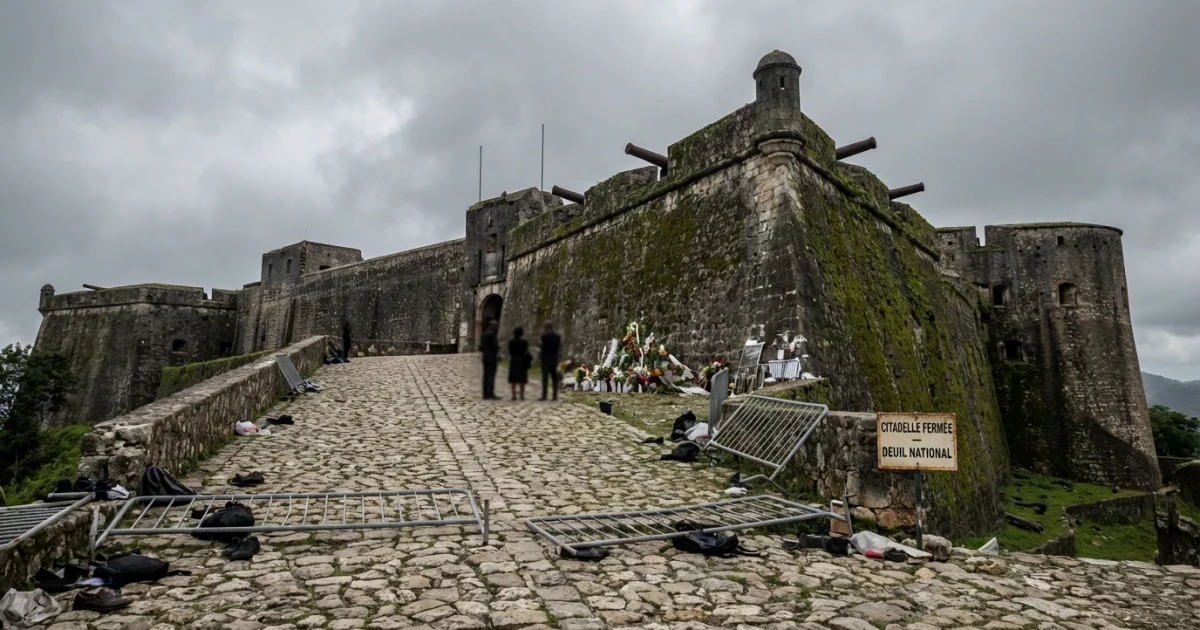
At least 30 people have died and dozens more were injured after a mass crush occurred at the iconic Citadelle Laferrière in northern Haiti, according to initial reports from The Guardian and corroborated by other international news outlets. The incident, which unfolded during a heavily attended event at the UNESCO World Heritage site, has drawn attention to crowd safety at major public gatherings in a country already wrestling with complex humanitarian challenges.
What Happened at the Citadelle Laferrière?
The historic Citadelle Laferrière, perched atop a mountain in the Nord department, is one of Haiti's most visited and symbolically significant landmarks. On the day of the incident, large crowds gathered for a local religious and cultural celebration. According to The Guardian, the disaster occurred when the flow of people entering and exiting the fortress became unmanageable, resulting in a stampede near a narrow passageway.
- At least 30 people were confirmed dead at the scene, with dozens more transported to local hospitals for treatment.
- Many victims were women and children, reflecting the family-oriented nature of the gathering.
- Casualty figures are expected to rise as emergency workers continue rescue operations and as more data becomes available from local authorities.
Historical Context and Site Significance
The Citadelle Laferrière is a symbol of Haitian sovereignty, constructed in the early 19th century following the country's independence from France. Its popularity as a tourist and pilgrimage destination means it regularly sees large crowds, particularly during holidays and festivals. UNESCO's records note that the site attracts thousands of visitors annually, but crowd management infrastructure and emergency planning remain limited.
Humanitarian Risks and Mass Gathering Safety
Haiti's unique socio-demographic profile, including high population density in urban and peri-urban areas, increases vulnerability to crowd-related disasters. According to a 2022 analysis by the Economic Commission for Latin America and the Caribbean (ECLAC), public safety and emergency response capabilities are often stretched thin, particularly in remote or mountainous areas such as the Citadel. Past incidents in Haiti and globally have shown that mass gatherings require careful risk assessments, as outlined in the World Health Organization's Mass Gathering Risk Assessment Tool, which emphasizes the importance of clearly marked exits, crowd control barriers, and rapid medical response.
- Haiti has experienced several mass casualty events in recent decades, including both natural disasters and crowd incidents. EM-DAT's International Disaster Database lists multiple events with high casualty figures, underscoring the ongoing risks at public events lacking robust safety protocols.
- UN humanitarian data for Haiti shows persistent challenges in emergency preparedness, with limited resources for medical response and infrastructure upgrades at historic or rural sites. Key indicators from recent humanitarian datasets highlight the need for improved coordination among local authorities, health services, and event organizers.
Authorities Respond and Investigations Begin
Local authorities have launched an investigation into the cause of the stampede. Initial statements point to overcrowding and insufficient crowd control measures as contributing factors. Emergency personnel and volunteers worked through the night to clear passageways and provide aid to survivors. As of press time, the government has called for a review of safety practices at national landmarks and public events.
Looking Ahead: Calls for Improved Safety
This tragedy at one of Haiti’s most treasured sites has renewed debate over the adequacy of crowd management and emergency planning at large-scale events, especially in resource-constrained settings. Experts and international organizations are urging local officials to prioritize the implementation of internationally recognized safety protocols for mass gatherings, as recommended by the WHO.
As investigations continue and the nation mourns, the incident underscores the urgent need for investment in crowd safety infrastructure and training to prevent similar tragedies in the future. Many hope this will serve as a catalyst for broader reforms at public sites across Haiti.