Health
Stanford scientists use electricity to reverse aging in sea squirts
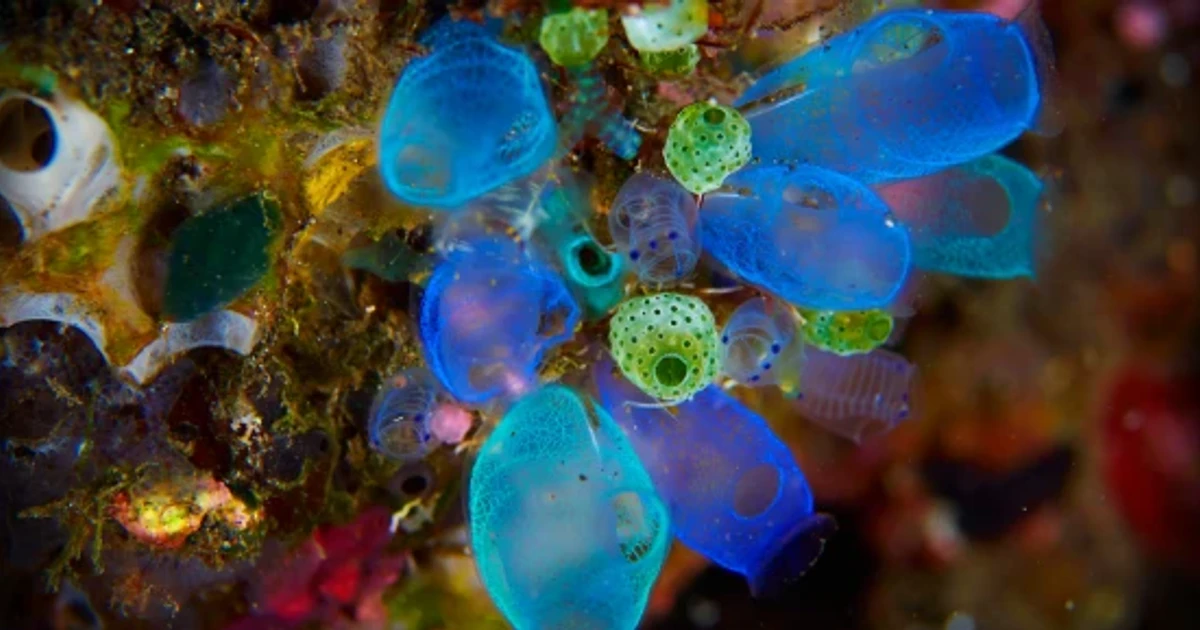
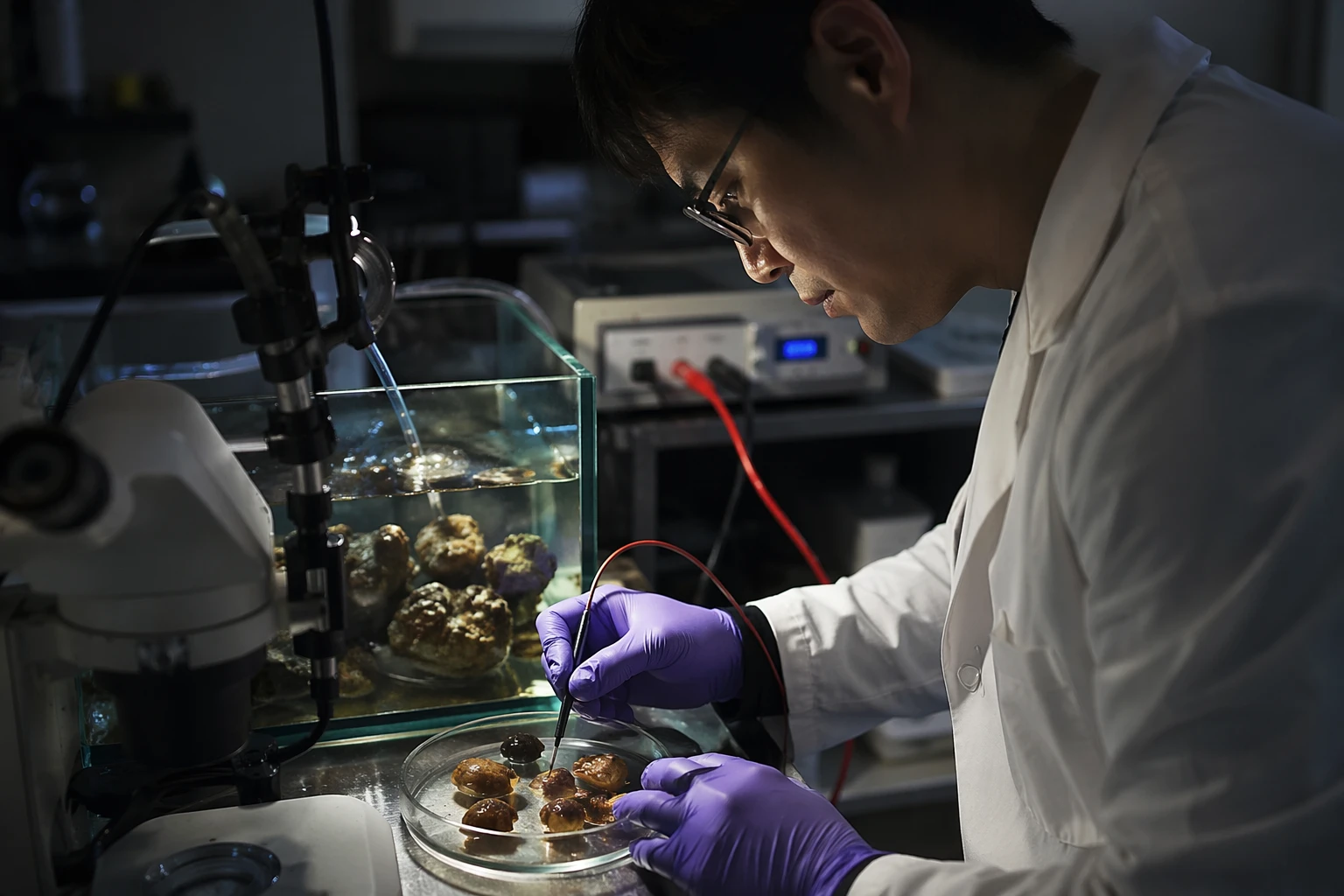
Stanford scientists have shown that brief electrical pulses can help sea squirts recover from stem cell damage, but the finding is not a proven way to reverse aging in people. In the study, published in the Proceedings of the National Academy of Sciences and reported May 26, 2026, about 75% of treated sea squirts were alive and healthy a year later, compared with fewer than 20% of untreated animals.
The result matters because sea squirts are unusually useful for aging research. They rebuild all of their body tissue about every week and share roughly 70% of human genetic material, making them a longstanding model for studying immune recognition, self versus non-self discrimination, and stem-cell competition. Those same biological processes are increasingly tied to aging and disease in humans.
Stanford researchers described the response to the electrical stimulation as a two-phase molecular process: “reboot and rebound.” Ayelet Voskoboynik, one of the study’s co-senior authors, said the treatment “recharges stem cells.” The team says the pulses did not create a human anti-aging therapy, but they did appear to restore stem-cell function in an animal that renews itself at a pace far faster than human tissue.
That caution matters. The National Institutes of Health says aging is a leading cause of disease and disability, and its researchers are studying ways to measure biological age and to slow or even reverse aging. Anne Brunet of Stanford has described aging as a multifactorial process shaped by hallmarks such as epigenomic changes, nutrient-sensing decline, and inflammation. The sea-squirt work fits into that broader effort, but it remains an early biological test, not a treatment for patients.
The new findings also echo a 2025 paper in Regenerative Therapy that reported nanosecond pulsed electric field applications could rejuvenate aging endothelial cells by rescuing mitochondrial-to-nuclear retrograde communication. That research, like the sea-squirt study, was preclinical and limited to laboratory work. Together, the studies suggest electricity may one day help scientists preserve cell function, but they do not show that aging can be reversed in humans.

Stanford researchers say the sea-squirt results could eventually inform efforts to slow age-related decline, improve fertility treatments, and make human stem cells more resilient. For now, the headline promise is still ahead of the evidence, even as the science gets more precise about how cells age and how they might be pushed back toward repair.
Sources
- [1]news.google.com
- [2]news.stanford.edu
- [3]nih.gov
- [4]sciencedirect.com