Science
Stanford study links ancient mass extinction to modern seashells
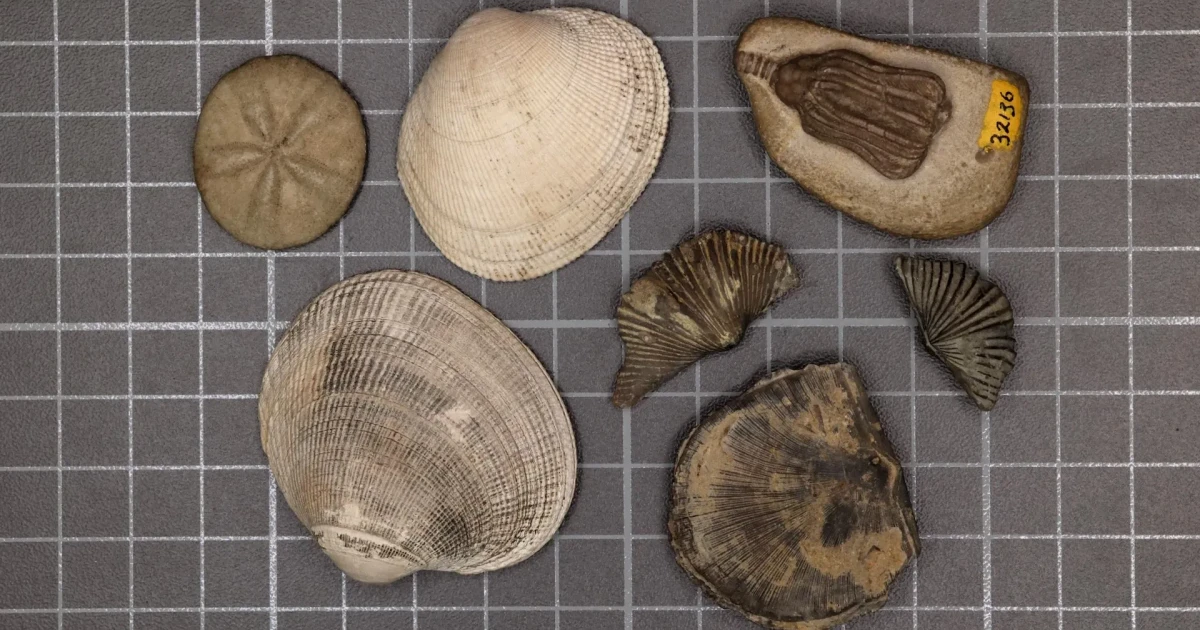
Stanford University researchers have traced the dominance of clams and snails in modern seas to the end-Permian extinction, the deadliest biological crash in Earth’s history. The study, published July 6 in Proceedings of the National Academy of Sciences, links the disappearance of once-dominant marine groups to intolerable heat and diminished oxygen in ancient oceans.
The catastrophe struck about 252 million years ago and wiped out 96% of marine species and 70% of land animals. Stanford’s account says nearly all brachiopods died out, while only about half of mollusks such as clams and snails were lost. What survived did not simply persist. It remade marine life, leaving today’s beaches strewn with the shells of groups that were once minor players and turning brachiopods, which had dominated seafloors before the crisis, into a far smaller and rarer lineage.
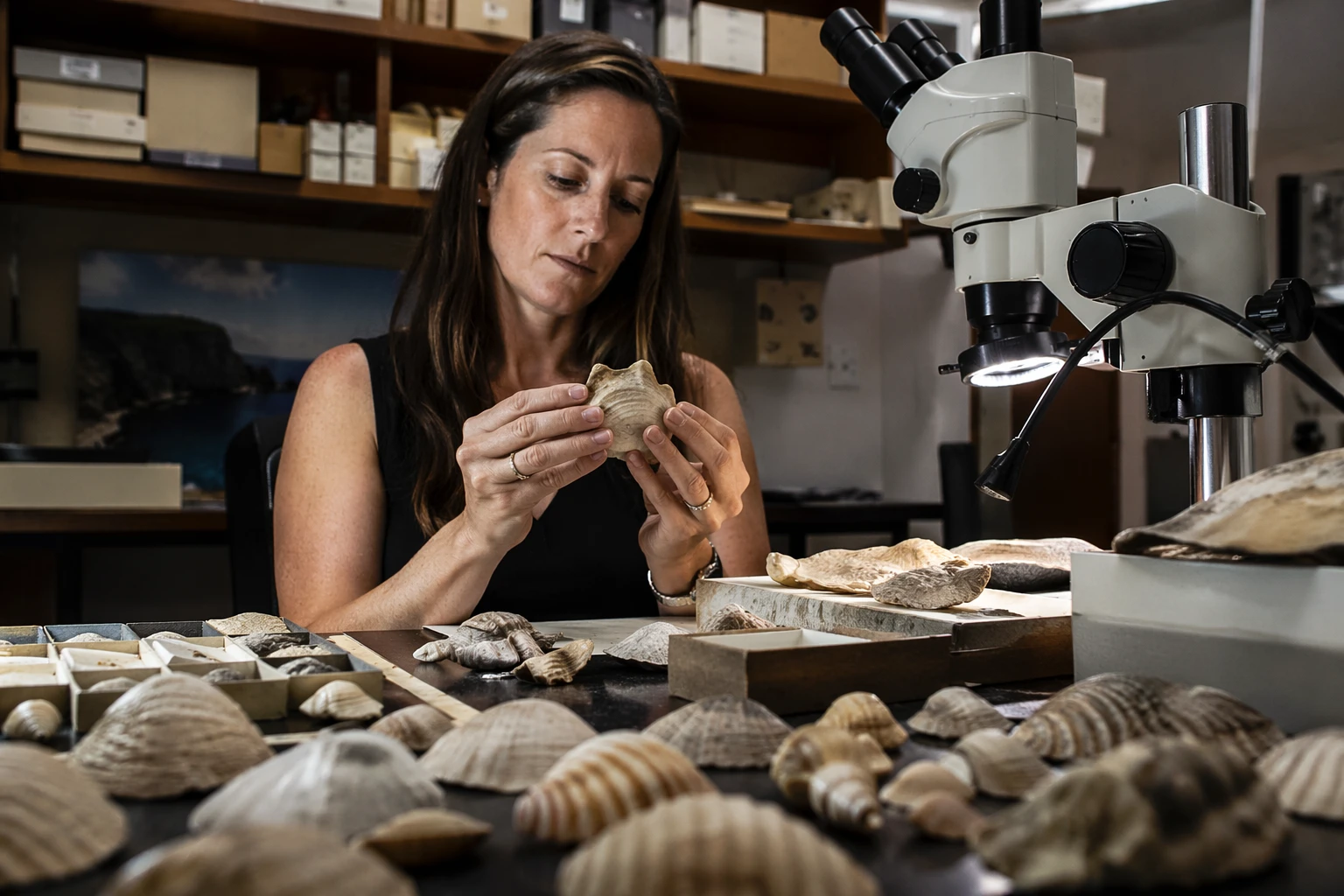
The new study brought together Jose Andres Marquez, Erik Anders Sperling, Jonathan Payne, Matthew E. Clapham, Margaret Fraiser and Noel Heim, and compared living representatives of the old and modern faunas to examine metabolism. Their work builds on Stanford’s earlier research that described the post-extinction spread of survivors as a multimillion-year period of taxonomic homogenization, sometimes called the Great Dulling, when marine communities became strikingly similar from the equator to the poles. In that warmer, less oxygenated ocean, clams, oysters, snails and slugs expanded while more sensitive groups faded.
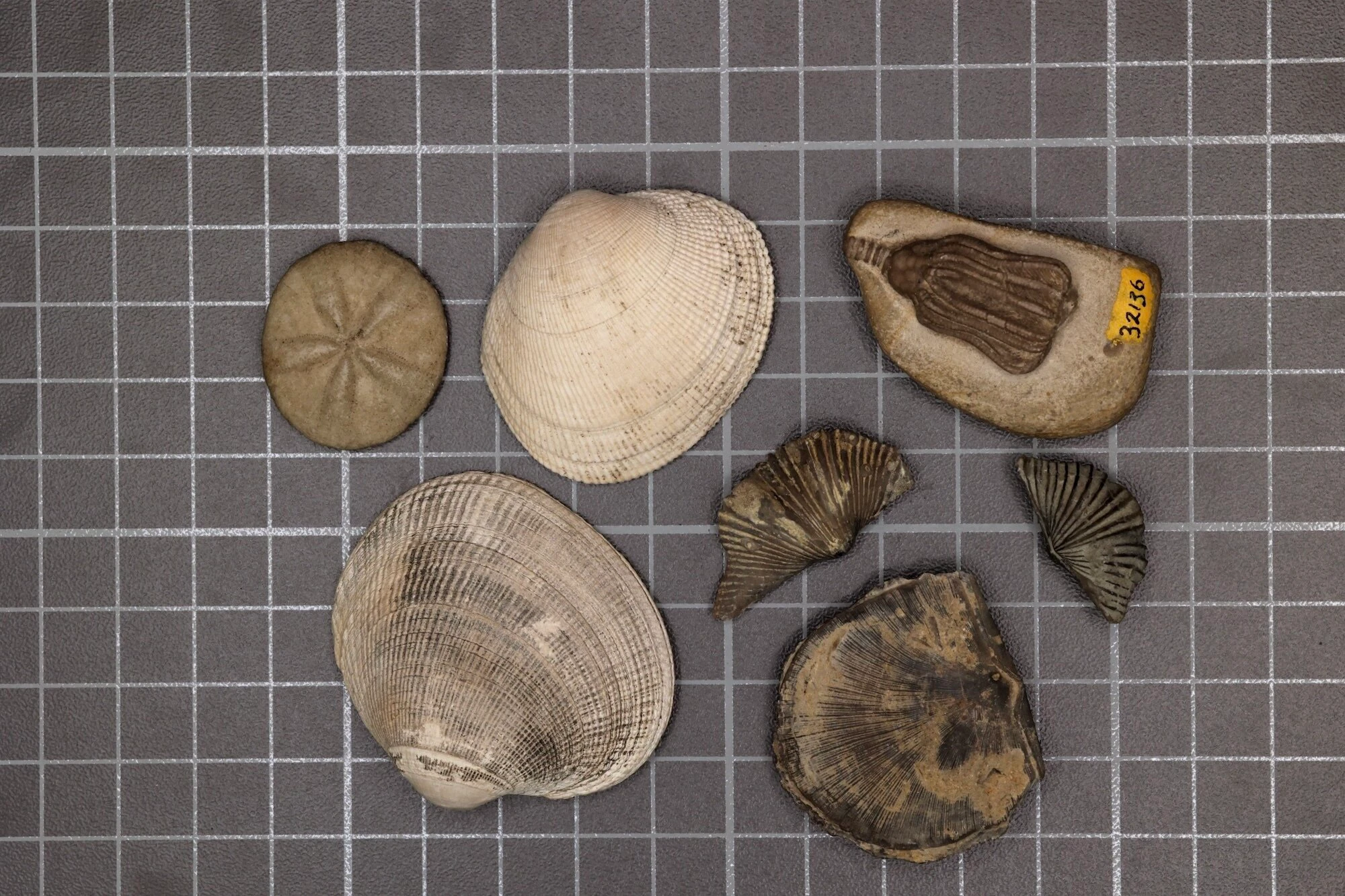
Stanford’s older review literature had already tied the end-Permian crisis to widespread ocean anoxia and the Siberian Traps, the enormous volcanic eruptions in modern-day Siberia. The latest findings sharpen that picture by showing how the environmental squeeze worked at the level of marine physiology: heat and oxygen loss favored some shell builders and eliminated others. Stanford has also noted that modern oceans now contain more than 50,000 mollusk species, while brachiopods number 394, a lopsided balance that reflects a permanent shift from brachiopod-dominated seafloors to the mollusk-rich seas seen today.
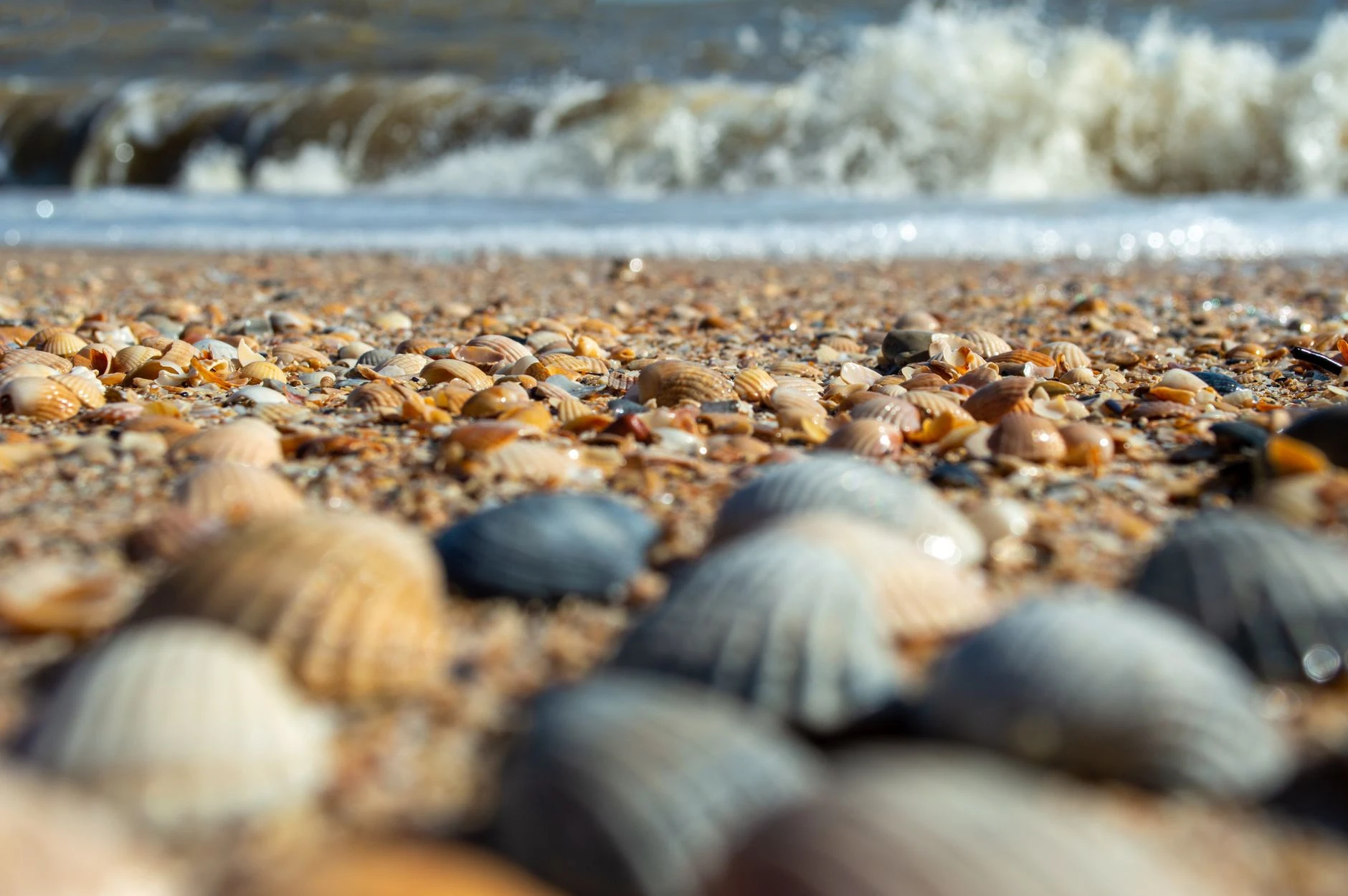
That history matters because it shows how quickly ocean chemistry can redraw life at the seafloor. The same forces that reordered marine ecosystems after the Great Dying, warming and oxygen loss, are the ones scientists watch closely now as climate change pushes Earth’s oceans toward conditions that once triggered collapse.