Entertainment
Star Fox's long hiatus fuels wave of indie successors

A long silence from Nintendo turned Star Fox into something more than a dormant franchise. It became a template that indie teams could keep rebuilding in public, from Kickstarter-backed roguelites to low-poly rail shooters and a new project led by one of the series’ original programmers.
A vacuum that indie teams rushed to fill
The gap is easy to measure. Star Fox 64 defined the series’ modern identity in 1997, and Star Fox Zero was the last new mainline entry before Nintendo’s 2026 return for Switch 2. That is the kind of stretch that does more than frustrate fans, because it also clears room for smaller studios to claim the lane and make their own version of the same high-speed fantasy.
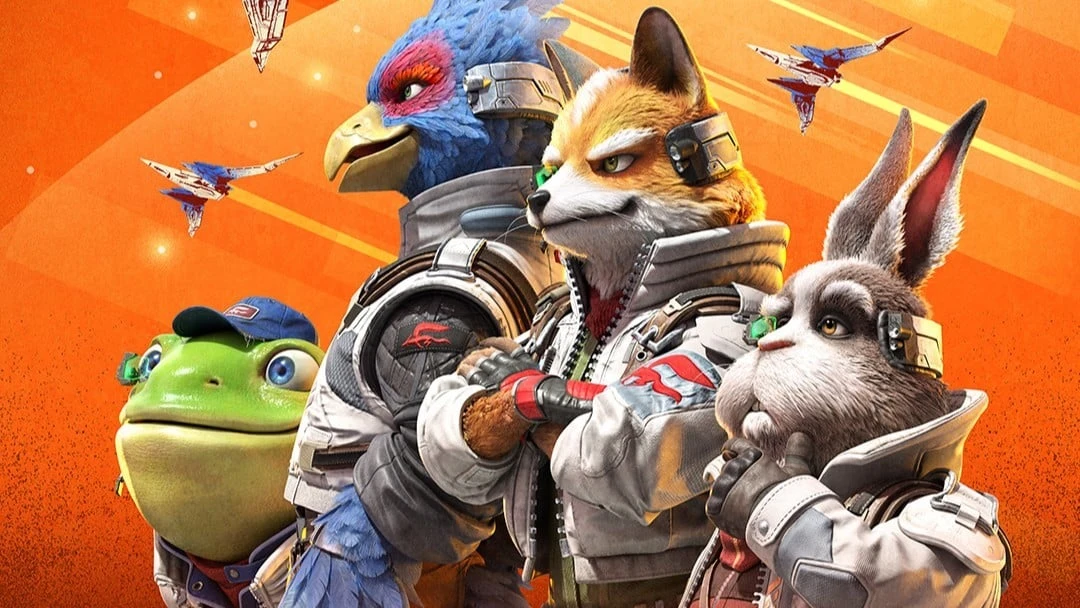
Nintendo’s 2026 Star Fox comeback, first unveiled through a Nintendo Direct and Nintendo Today! rollout, arrived on June 25, 2026 as a Switch 2 release. Even with that revival, the years between major entries already produced a cottage industry of spiritual successors, each trying to capture a different part of what made the original games stick: the on-rails movement, the arcade timing, the squad chatter, and the sense that every run could branch in a new direction.
That creative opening matters because the blockbuster system tends to reward caution. Smaller teams can move faster, try stranger ideas, and pitch directly to the players who remember blasting through Corneria and hearing Fox McCloud’s crew trade insults and warnings in real time. In practice, that has meant old Nintendo-era ideas surviving outside Nintendo itself.
Whisker Squadron: Survivor shows how fandom becomes financing
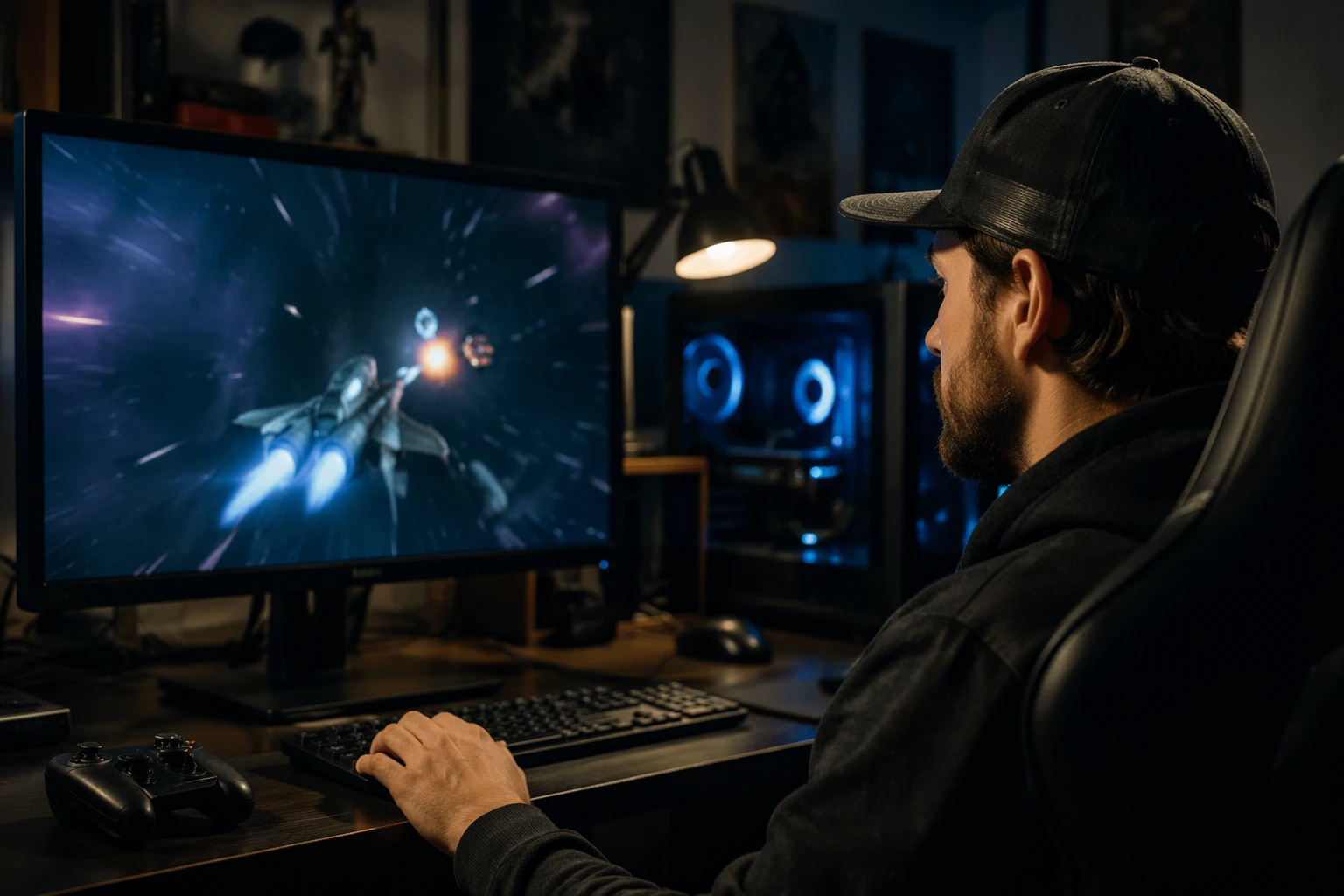
Flippfly’s Whisker Squadron: Survivor is the clearest example of that shift from nostalgia to a viable indie model. The project began on Kickstarter in April 2021, then launched in early access on Steam in August 2023 before reaching full release on February 21, 2025. Flippfly describes it as a roguelite on-rails shooter inspired by Star Fox, and Steam presents it as a smooth shooter from the creators of Race the Sun, with feline pilots and branching campaign elements.
That combination tells the story of a lot of modern indie development. The studio did not wait for a publisher to revive an old formula. It used crowdfunding to validate demand, early access to keep players involved, and a familiar frame to make the pitch legible to anyone who grew up on Star Fox 64. The result is a game that borrows the feel of the classic while changing the structure underneath it, shifting the old route-based shooter into a roguelite loop where runs can branch and reset.
The social meaning here is bigger than one game. Crowdfunding and early access give teams a path around the old gatekeepers, which is one reason these successors can exist at all. Instead of depending on a major publisher to certify nostalgia as commercially safe, the audience helps underwrite the experiment from the start.
Ex-Zodiac keeps the low-poly arcade spirit alive
Ex-Zodiac takes a different route but speaks to the same demand. On Steam, it is billed as a fast-paced low-poly 3D rail shooter heavily inspired by classics of the early 1990s. That description matters because it keeps the old visual language intact, from chunky geometry to the sense that the game is running on a memory of another era rather than simply borrowing its brand.
Unlike a broad parody or a vague homage, Ex-Zodiac leans into specificity. The low-poly style is not just decoration, it is part of the argument that a rail shooter can still feel immediate without modern photorealism. For players who want the old tempo, the appeal is in the clarity: speed, enemy patterns, and the stripped-down visual grammar that made early 3D shooters so readable.
That kind of project also shows why the niche survives. The market for these games is not giant, but it is stable enough to sustain developers who know exactly what they are making. The audience is looking for more than a flashback. It wants a current game that treats old-school design as a first-class choice, not a museum piece.
Wild Blue adds a direct line back to the original team
If Whisker Squadron: Survivor and Ex-Zodiac show the appetite from the player side, Chuhai Labs’ Wild Blue shows the lineage from the creator side. The project is being led by Giles Goddard, who worked on the original Star Fox and Star Fox 64, and the studio describes the game as a modern take on the classic on-rail adventures of the 90s.
That pedigree gives Wild Blue a different kind of credibility. It is not just inspired by Star Fox, it is being shaped by someone who helped build the original framework. For fans, that makes the game feel less like imitation and more like an alternate branch of the same design history, one that can keep the spirit of those aerial runs alive even when the official series has gone quiet.

The existence of a project like Wild Blue also highlights how much creative freedom lives outside the blockbuster system. A major publisher may preserve a brand, but an indie studio can preserve a feeling. In this case, the feeling is simple and durable: dogfights over a stylized planet, sharp turns through enemy fire, and a crew dynamic that makes the cockpit feel inhabited rather than empty.
Why the nostalgia keeps paying off
Star Fox endures because its appeal is unusually easy to recognize and unusually hard to replace. The franchise mixes speed, route choice, squad banter, and a clear visual identity, which makes it ideal for indie teams looking for a compact design target. The fact that players still remember Corneria, Fox McCloud, and the game’s most quotable lines gives these successors an immediate emotional shortcut.
What the current wave of projects proves is that fan demand did not disappear during Nintendo’s long hiatus. It migrated. Some of it went to Kickstarter, some to Steam early access, and some to studios led by veterans who knew the original series from the inside. Nintendo’s return on Switch 2 may bring the brand back into the mainstream, but the indie successors have already shown how much room there was to build around the silence.