Sports
Star players who almost joined the Premier League, and why deals collapsed

A collapsed transfer can tell you as much about football finance as a completed one. BBC Sport’s revisiting of Robert Lewandowski, Zlatan Ibrahimovic and David de Gea shows how often elite moves reach the brink, then fail when the numbers, the timing or the risk no longer add up.
The real cost of a near-miss
In the modern market, a club is not just buying talent, it is buying certainty. By the time a deal reaches the final stretch, the transfer fee is only one line in a much larger calculation that includes wages, agent demands, medical red flags and the pressure from owners who want the move done without overcommitting capital.
That is why the most memorable almost-deals are not just trivia. They are case studies in how clubs price uncertainty. A player who looks affordable at the start of a window can become too expensive once a second club enters the race, a representative pushes for better terms, or a medical check introduces doubt about durability.
Why deadline day makes deals fragile

The Premier League and EFL winter window closes at 23:00 GMT on deadline day, which compresses every negotiation into a few frantic hours. Once the clock starts to bite, clubs have less room to renegotiate wages, rework payment structures or replace a target if talks stall.
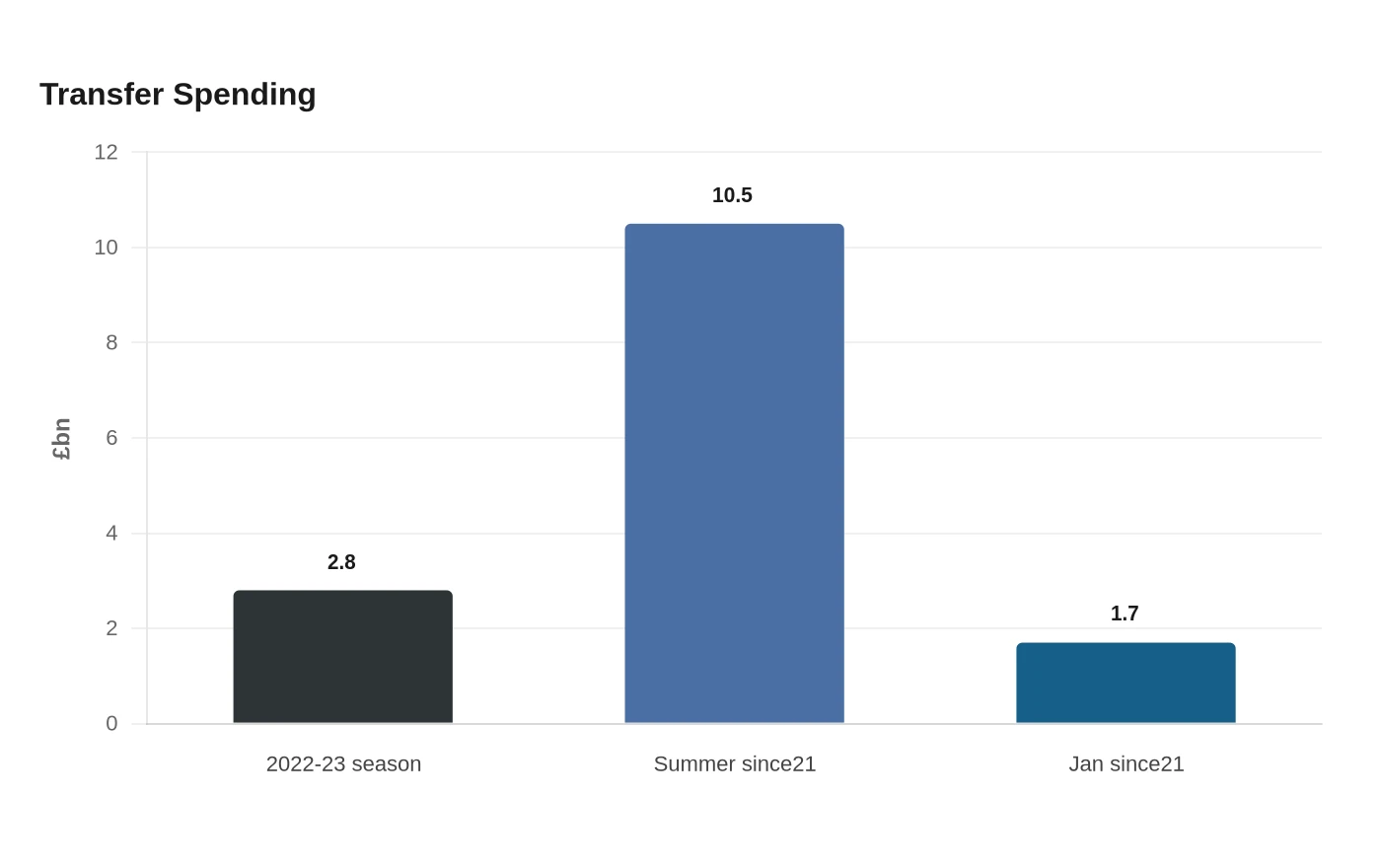
That pressure matters because the money involved is enormous. BBC Sport reported that Premier League clubs spent £2.8bn in the 2022-23 season, and also said clubs spent £10.5bn across summer transfer windows since 2021, compared with £1.7bn in January windows. The gap is not just a headline about spending habits, it explains the market behaviour behind it: summer gives clubs time to spread risk, while January and deadline day force faster, more expensive decisions.
Late-window deals are therefore more vulnerable to collapse. If a club is paying a premium for urgency, any change in the player’s demands or the medical department’s assessment can push the move out of range, especially when owners are weighing the cost of a short-term fix against a longer-term financial commitment.
The near-misses that became folklore
BBC Sport’s 31 January 2023 transfer video returned to three of the most famous Premier League almost-signings: Robert Lewandowski, Zlatan Ibrahimovic and David de Gea. They are remembered not because the deals happened, but because they did not, and because each one became shorthand for a different kind of transfer failure, from hesitation to timing to changed circumstances.
The idea stretches well beyond the Premier League era. Richard Sutcliffe’s 25 March 2020 piece on Sheffield United traced how Diego Maradona almost joined the club after the 1982 World Cup, a story that places a provincial English side inside the orbit of global superstardom. The significance lies in the scale of the swing: one completed move would have altered Sheffield United’s history, while the failed pursuit became part of the club’s mythology.
BBC Sport’s own history pieces have kept widening that frame by revisiting other famous almost-moves, including Gareth Bale to Birmingham and Zinedine Zidane to Blackburn. Those examples matter because they show that near-misses are not confined to the biggest European powers. English clubs have repeatedly found themselves one step away from players who later defined an era, and the failure itself becomes part of how supporters remember the window.
What clubs are really deciding when they walk away
Most late collapses are less about romance and more about risk management. A club might admire the player, but still decide the wage bill is too heavy, the agent package too aggressive or the medical risk too high for a contract that could last five years or more. Ownership pressure can sharpen that hesitation, especially when executives know a single bad deal can distort budgets for multiple windows.
The Premier League’s spending figures explain why these decisions are so consequential. When summer windows since 2021 have accounted for £10.5bn, clubs have shown they will spend aggressively when the structure allows it. When January has delivered only £1.7bn over the same span, the market is signalling something different: urgency is expensive, and the cost of being wrong is often higher than the cost of walking away.
That is the hidden lesson in the stories BBC Sport keeps returning to. A failed move for Lewandowski, Ibrahimovic, de Gea, Maradona, Bale or Zidane is not just a lost headline. It is the moment a club chooses restraint over exposure, and in elite football that choice can shape both the balance sheet and the legend attached to a season.
Sources
- [1]bbc.co.uk
- [2]nytimes.com
- [3]bbc.com