Politics
Starmer announces planned departure as Labour faces leadership crisis
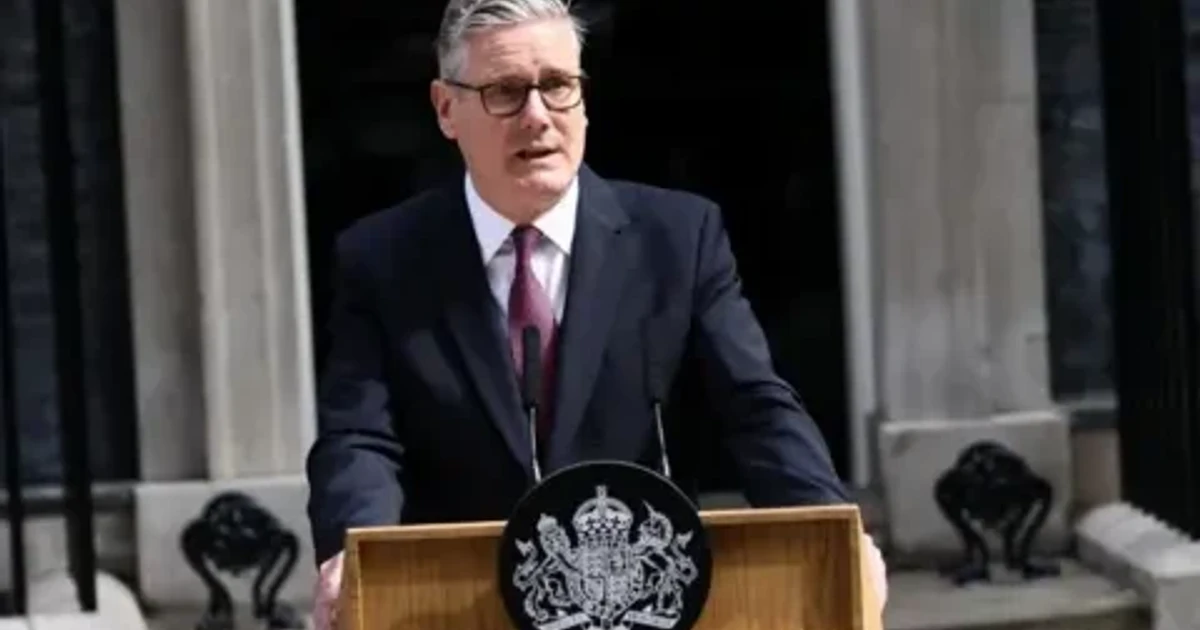
Keir Starmer’s planned departure from Downing Street has turned a question of timing into a test of control, leaving Labour to confront who takes over, how quickly a new leader can be chosen, and whether the government can keep functioning without a deeper split. Any resignation by a sitting prime minister is a major constitutional and political event, and Starmer’s statement immediately shifted attention from the shock of departure to the harder problem of continuity.
Downing Street, the official residence and office of the British prime minister, has been Starmer’s base since 5 July 2024. His recent activity showed a government that was still trying to operate through strain: on 14 May 2026 he was still issuing official letters after ministerial resignations, and on 15 June 2026 he was still appearing publicly from Downing Street to speak about the government’s social media consultation. That timeline matters because it suggests his departure is not an isolated moment, but part of a wider period of instability around Labour’s leadership and ministerial line-up.
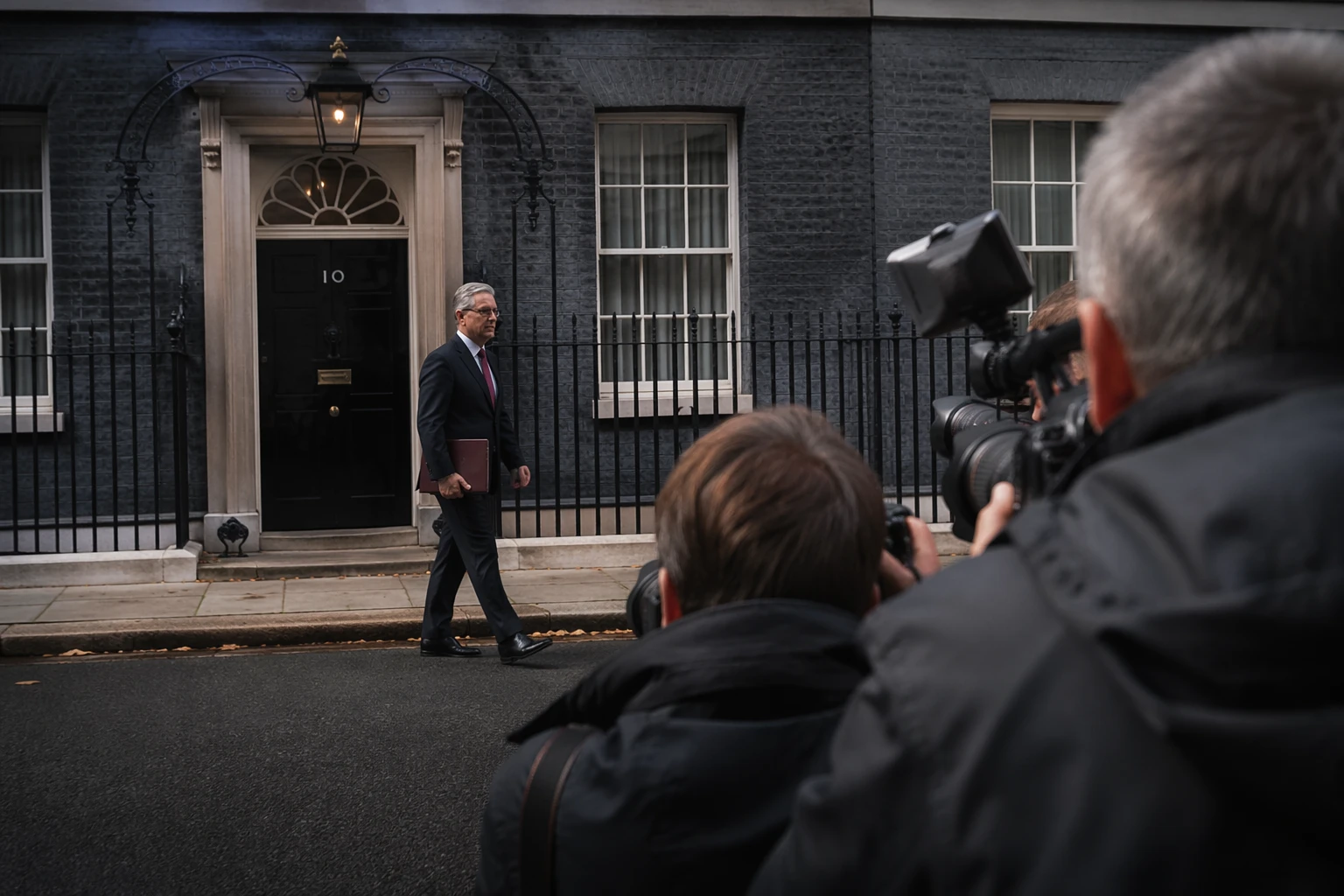
Angela Rayner’s resignation has sharpened that instability. In her letter, she said, “Given the findings, and the impact on my family, I have therefore decided to resign,” stepping down as Deputy Prime Minister, Secretary of State for Housing, Communities and Local Government, and Deputy Leader of the Labour Party. Her exit removes one of the most powerful figures in the government and leaves Labour exposed at exactly the moment it needs discipline, clarity and a credible chain of command.

The immediate challenge now is whether Labour can contain the contest for succession or whether the party is about to enter a prolonged power struggle. Senior figures such as Wes Streeting will be scrutinised closely, especially after Starmer’s own letter to him thanked him for “all your hard work in helping to get us back into Government.” But the bigger issue is less about personalities than stability: the Prime Minister’s Office and Cabinet Office will need to keep the machinery of government moving while Labour decides who inherits the party and, with it, the authority of 10 Downing Street.

The stakes are high for the legislative agenda, for party unity and for the markets that tend to punish political uncertainty quickly. If the transition is fast, Labour may be able to present a controlled handover. If it drags, the resignation could become the start of a wider breakdown, with an early election or an internal revolt moving from speculation to live political threat.