World
Starmer Faces Calls to Resign as Allies Show Support
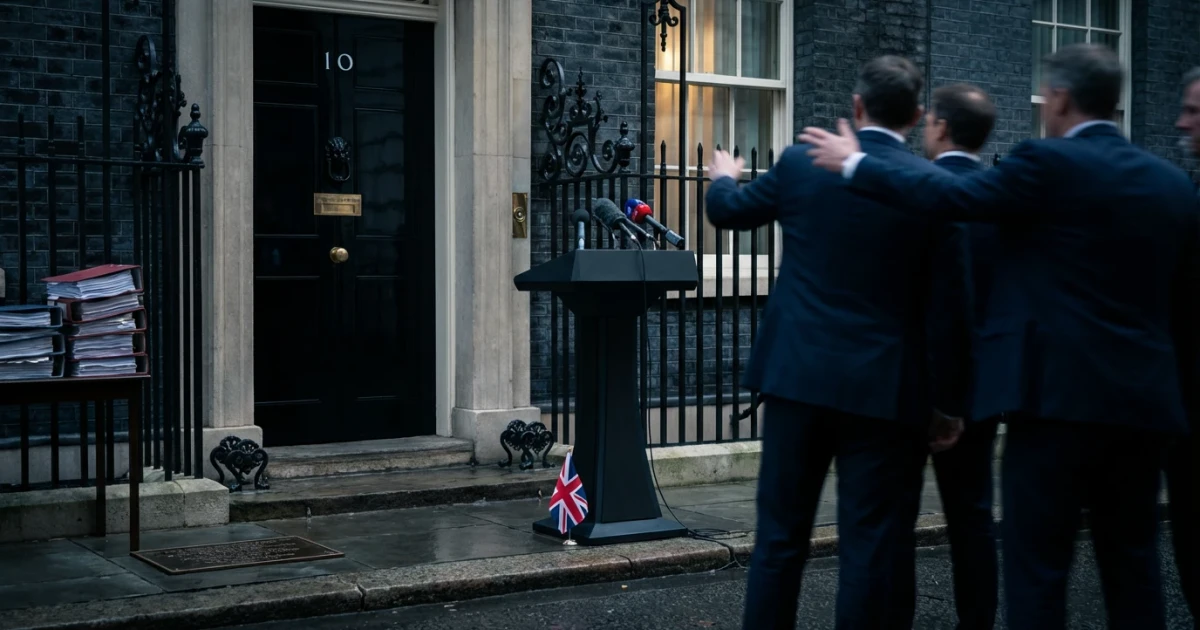
Keir Starmer, the Prime Minister of the United Kingdom, is facing growing pressure to step down amid internal party tensions and public scrutiny. Despite these challenges, allies within his party and the Downing Street team have rallied to his side, working behind the scenes to reinforce his position and enable him to continue leading the government.
Mounting Pressure Within Labour
Reports from The New York Times highlight that Starmer's leadership has come under renewed criticism from both opposition parties and factions within his own Labour Party. Questions around recent policy decisions and election results have intensified calls for him to consider resignation. However, party insiders argue that replacing the Prime Minister now would risk destabilizing Labour’s agenda and undermine recent government initiatives.
Allies Mobilize in Support
In response to the pressure, senior Labour figures and members of Starmer’s inner circle have taken coordinated steps to shore up his leadership. The New York Times describes a concerted effort from Downing Street, with advisers and ministers publicly affirming their support. This includes strategic communications to the media and party members, highlighting Starmer’s recent policy achievements and framing his leadership as crucial in a period of national uncertainty.
- Party leaders are urging unity ahead of key votes and legislative sessions, as recorded in official parliamentary proceedings.
- Labour strategists emphasize the risks of leadership turmoil, referencing historical precedents and the constitutional process for a Prime Minister’s resignation, as explained in the Institute for Government’s explainer.
Public Opinion and Political Context
Polling data and recent election results provide context for the current political climate. Public opinion trackers, such as those from Ipsos UK, show fluctuating support for Starmer’s leadership, reflecting broader uncertainty among voters. Meanwhile, official General Election results reveal both gains and setbacks for Labour, fueling debate within the party regarding its direction and leadership.
Starmer’s Response and Downing Street’s Strategy
While Starmer has not issued a direct statement addressing calls for his resignation, his office has focused on delivering policy priorities and maintaining a sense of continuity in government. The Downing Street communication machine has intensified efforts to control the narrative, emphasizing ongoing government work and Starmer’s commitment to public service. This approach, as characterized by The New York Times, has enabled Starmer to “survive to fight another day.”
Looking Ahead
The coming weeks will be critical for Starmer’s leadership. Key parliamentary votes and party meetings will test the strength of his support both within Labour and among the wider public. Analysts note that the Prime Minister’s ability to navigate these challenges may determine not only his personal political fate but also the future direction of the Labour Party.
As the situation develops, the resilience of Starmer’s leadership team and the unity of the party will remain under close scrutiny. For readers interested in the formal mechanics of Prime Ministerial resignations and the constitutional implications, the Institute for Government provides a detailed explainer. Additionally, those tracking the latest public opinion data can consult Ipsos UK’s Political Monitor for up-to-date polling and analysis.
Starmer’s immediate future as Prime Minister remains uncertain, but with his allies’ continued support and Downing Street’s strategic response, he remains positioned—at least for now—to continue leading the government through a period of significant political challenge.