Politics
Starmer faces growing Labour revolt after heavy local election losses

Keir Starmer is confronting the first serious test of his authority since Labour swept into office in July 2024, but the numbers still favor an incumbent who controls the rules of his own survival. After Labour lost more than 1,200 council seats and more than 30 councils in the 7 May English local elections, while Reform UK gained more than 1,300 seats and 13 councils, Starmer said he would stay in office and “deliver change.” The message was meant to steady the party; instead, it underlined how quickly a landslide can turn into a leadership test.
A formal challenge is not easy to mount. Labour’s rules require backing from 20% of the Parliamentary Labour Party, which current reporting puts at 81 MPs, and the sitting leader is automatically placed on the ballot if a contest is triggered. That means a challenger would need more than anger over election losses. They would need a disciplined bloc of MPs, a plausible alternative, and enough confidence to turn private frustration into an open break. No sitting Labour prime minister has ever faced a leadership election, and the party’s only in-government contest came in 1976 after Harold Wilson resigned.
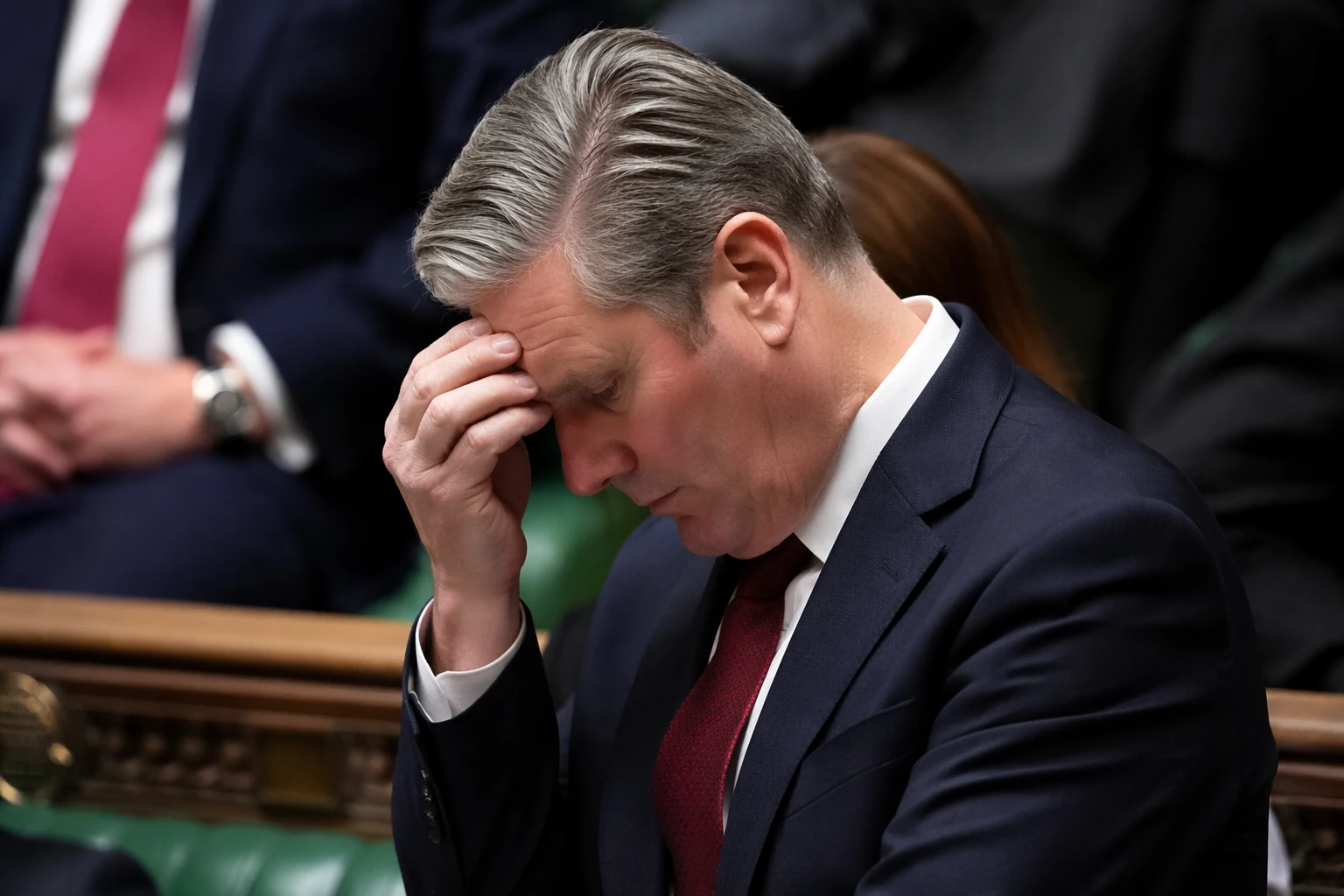
The pressure on Starmer is still real. By 15 May, 97 Labour MPs were calling for him to resign or to set a timetable for leaving, while 111 had signed a statement backing him. Those numbers show a party split between a vocal rebellion and a larger group still willing to defend the prime minister, even after the losses in England and the weaker results in Scotland and Wales. The balance matters because Labour’s next crisis would begin in the Commons, where the leadership rules give MPs the power to force the issue.
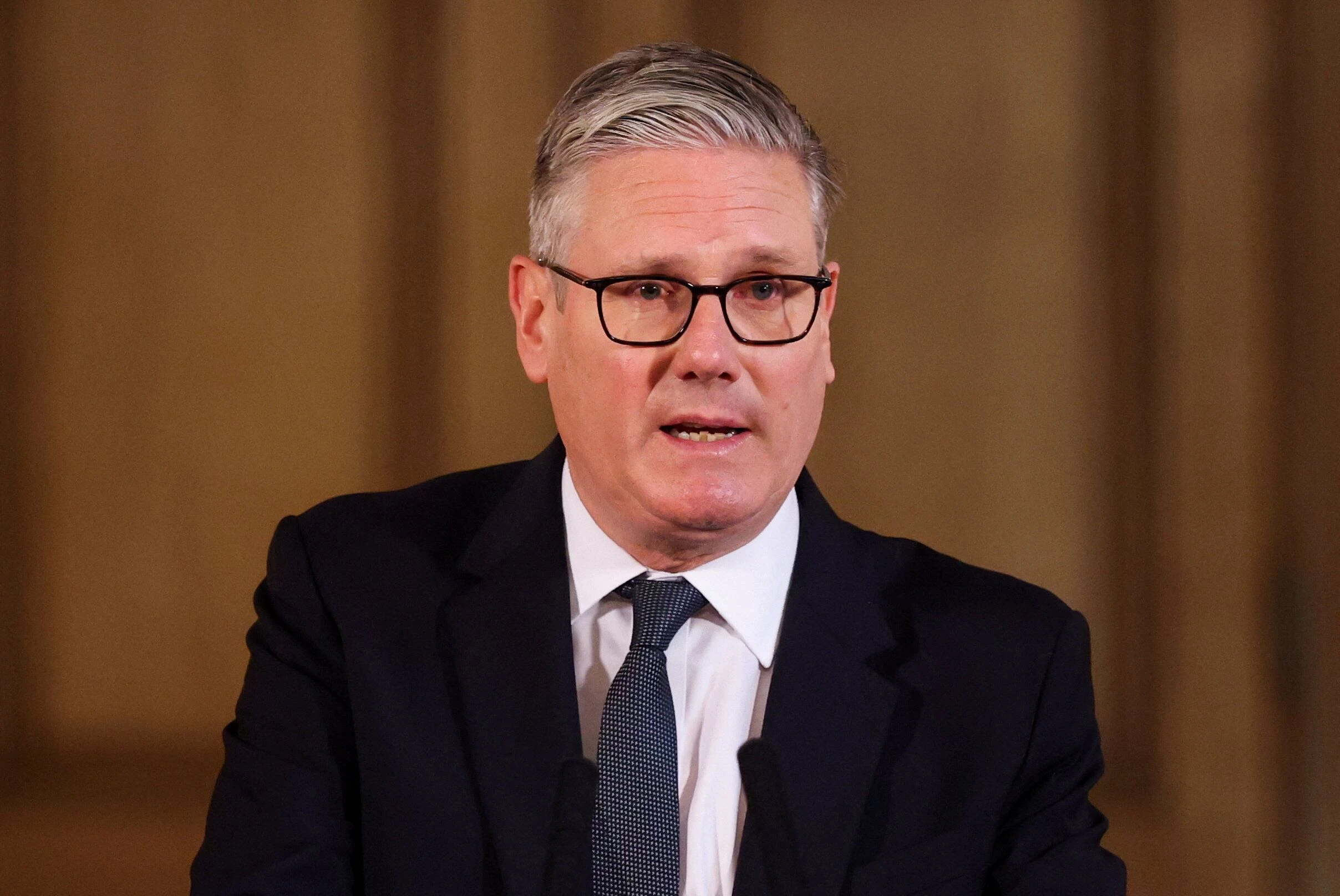
Potential rivals are already being measured against that threshold. Wes Streeting has been reported as saying he could trigger a contest as soon as next week and would be prepared to stand. Andy Burnham, the Greater Manchester mayor, said on 4 June that he would enter any leadership race if he won the Makerfield by-election and returned to Westminster. That condition is crucial: only Commons members of the Parliamentary Labour Party can be nominated. Starmer has already said he would “fight” Burnham in a future contest, a sign he intends to make any challenger prove they can command a real majority.


The wider party picture is more mixed than the revolt suggests. A YouGov survey of 706 Labour members in May found Starmer would beat Streeting 65% to 15% in a head-to-head contest. Streeting also trailed Burnham, Angela Rayner and Ed Miliband. For now, Labour’s post-election rebellion looks more like pressure on Starmer’s authority than a clean route to his removal. But if resignations spread, discipline weakens and 81 MPs line up behind a challenger, the party’s internal test could become a fight for the leadership itself.
Sources
- [1]bbc.com
- [2]usnews.com
- [3]news.sky.com
- [4]independent.co.uk
- [5]labourlist.org
- [6]yougov.com
- [7]telegraph.co.uk