Politics
Starmer faces mounting pressure to quit as Labour leadership crisis deepens
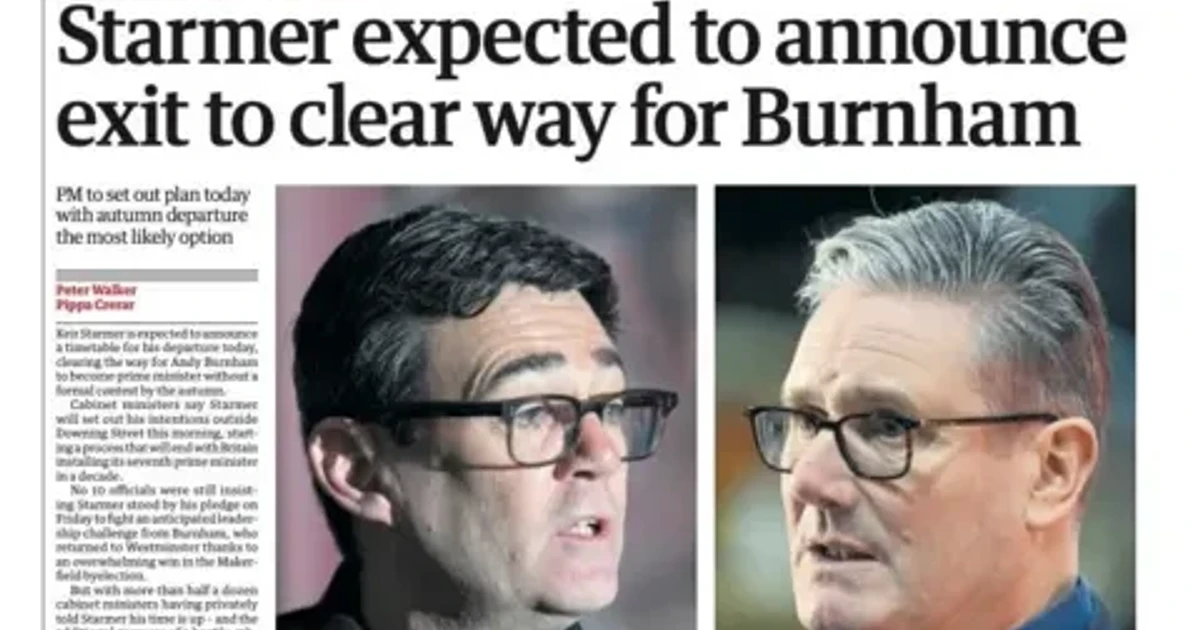
Sir Keir Starmer’s authority is being tested less by front-page noise than by a harder question inside Labour: whether the party is moving toward a managed succession before the next election cycle is set. Reports on Sunday said he was expected to announce a timetable for his departure on Monday, after Andy Burnham’s by-election win intensified talk of a formal leadership challenge.
The public line from Starmer was defiance. On Friday, he said he would not walk away and would fight any challenge from Burnham. Yet the mood around him has shifted sharply, with senior Labour figures reported to be urging him to go, cabinet members not denying resignation speculation, and allies said to be weighing a deliberate slow march transition rather than a sudden fall.
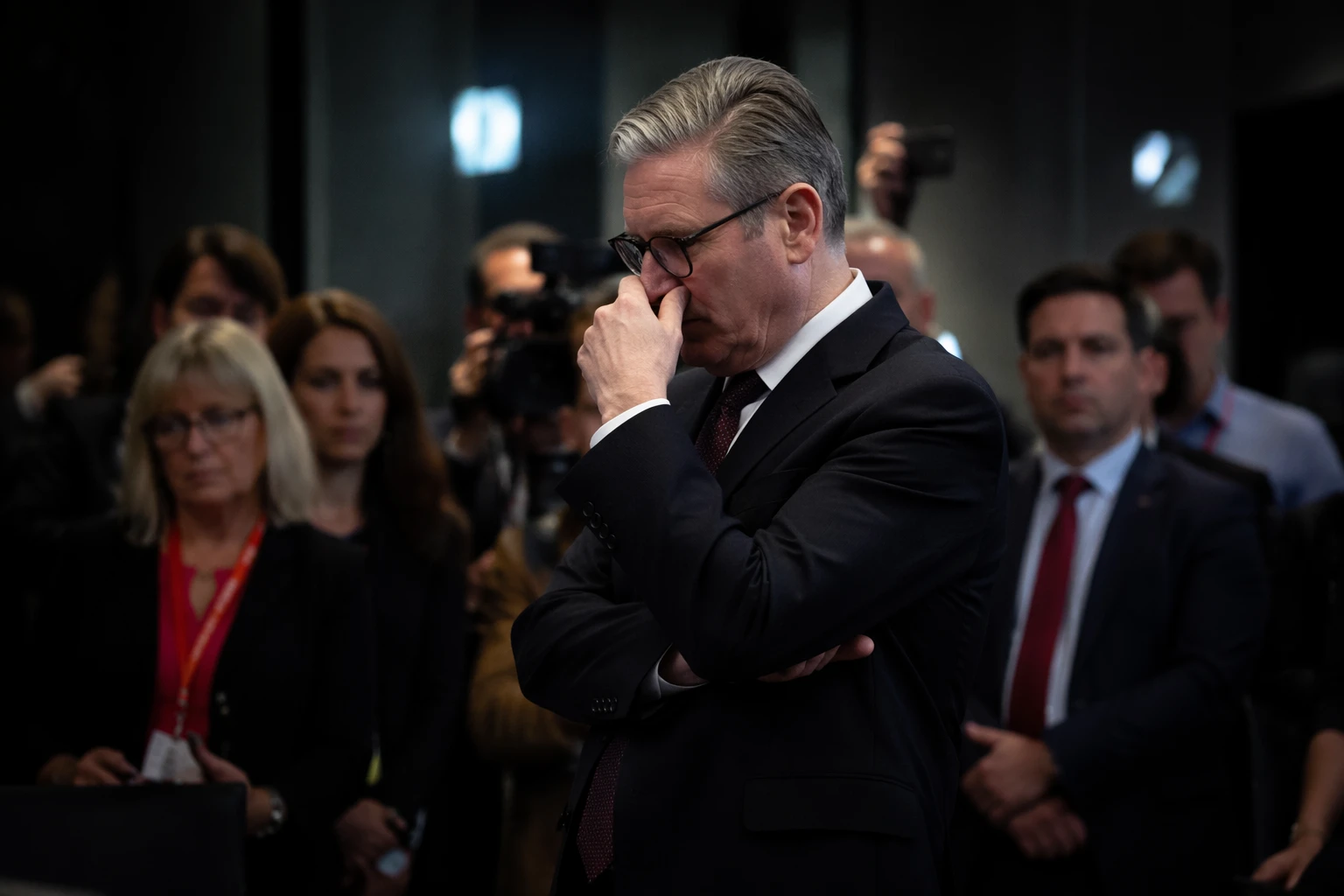
That split matters because it separates tabloid momentum from party mechanics. The headlines suggest a collapsing premiership; the machinery of Labour suggests something more specific, a leadership contest waiting for a signal. If Starmer sets out a timetable, Burnham gains a clearer route to marshal support and force the contest from private pressure into an open succession battle. If he refuses, the party keeps living with the same unresolved question that has shadowed Downing Street for days.
Starmer’s position has weakened for reasons that go well beyond one difficult week. He became prime minister in July 2024, but his government has since been dogged by a prolonged collapse in popularity, policy U-turns and internal unrest. Commentary has compared the scale of the backlash to the instability that followed Liz Truss, a comparison that underlines how quickly Labour’s post-election confidence has frayed.

The sense that Starmer is already fighting for his future has been building for months. Analysis published in December 2025 suggested many voters thought he would be replaced by the end of 2026, and more recent polling has fed the same assumption. That helps explain why the current crisis is being framed not as a routine wobble, but as a test of political durability only months after Labour returned to power.
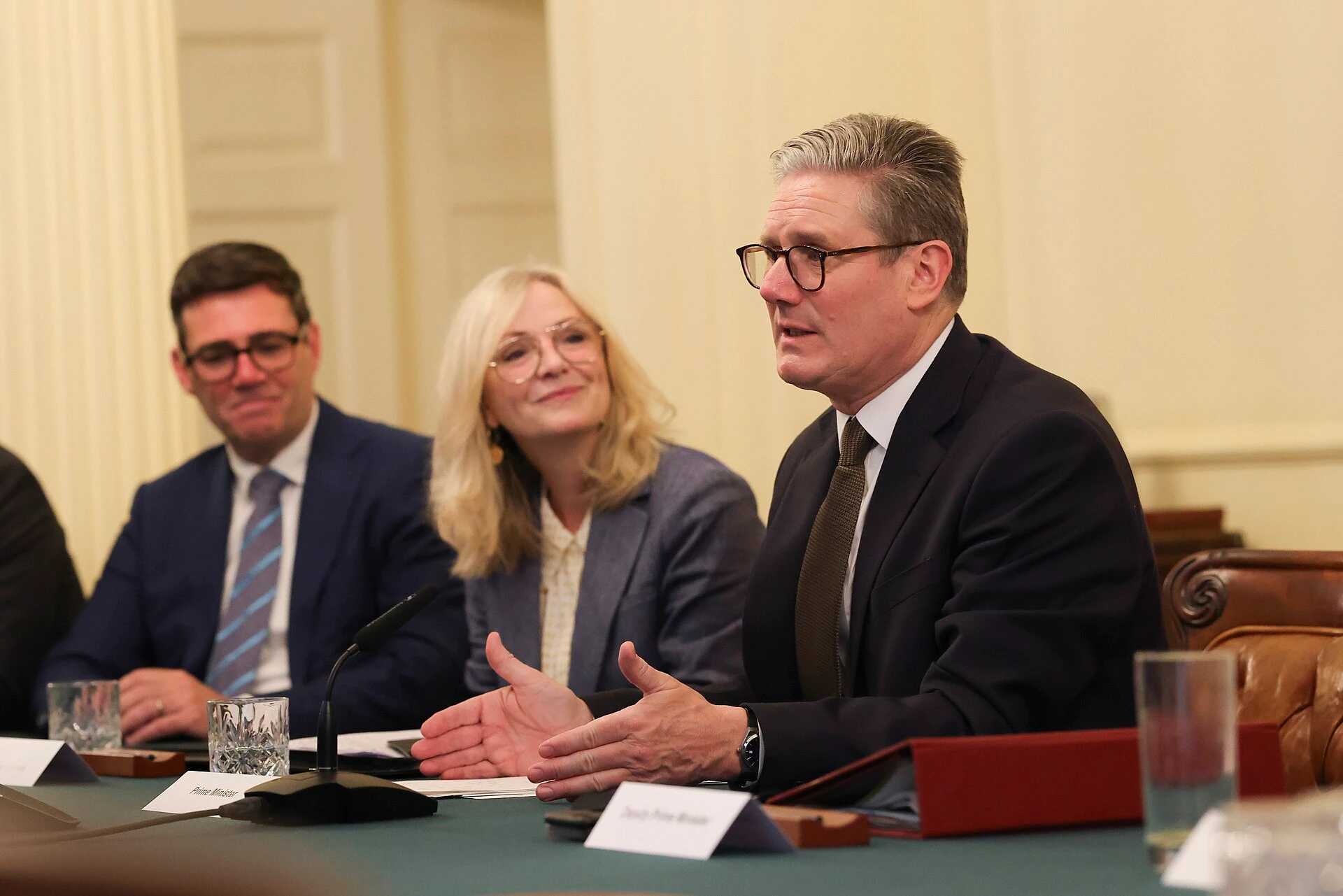
If a timetable is announced, the immediate beneficiaries would be those who want certainty, above all Burnham and the Labour figures who believe the party needs to settle its leadership before the next election cycle hardens. If it is not, Starmer faces a longer fight, one against rivals inside his own party and another against the growing belief that his premiership is already running on borrowed time.
Sources
- [1]bbc.com
- [2]reuters.com
- [3]news.sky.com
- [4]independent.co.uk
- [5]abc.net.au