Politics
Starmer faces pressure to quit as Labour leadership challenge looms
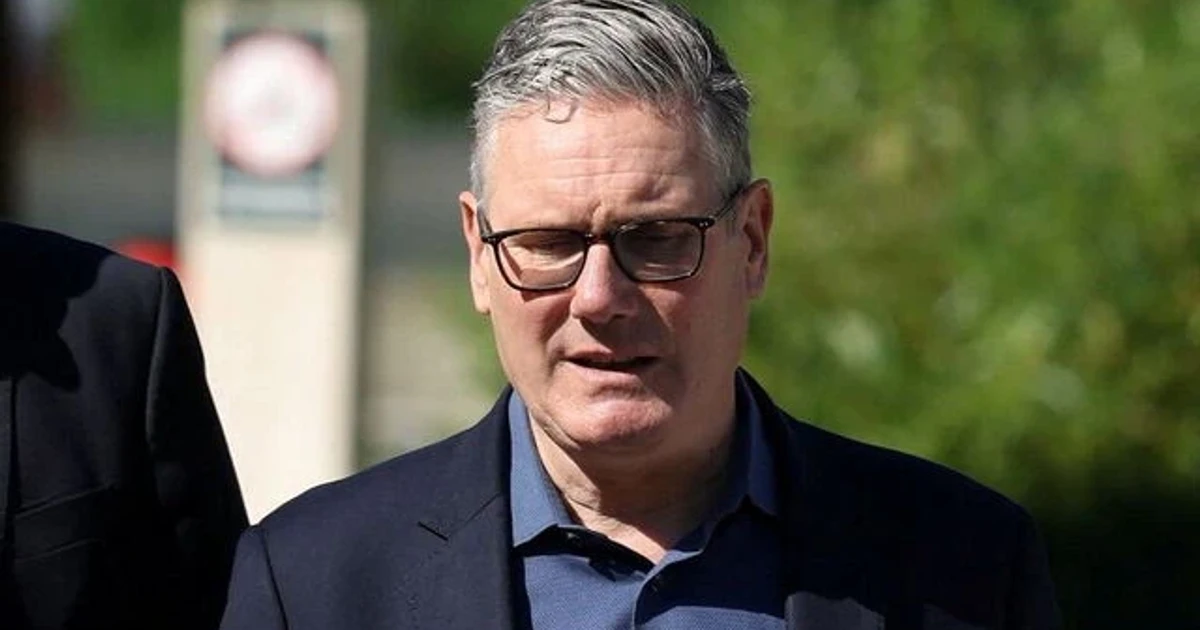
Keir Starmer faced a fresh test of authority after a report said he was expected to resign on Monday, June 22, and set out an orderly exit, while a government source insisted he remained focused on governing. The clash over his future exposed not just a leadership crisis, but a wider struggle over credibility and message control at the top of government.
Pressure on Starmer had been building for months and sharpened after Andy Burnham won a parliamentary seat that could open the door to a formal challenge. More than 100 Labour lawmakers were said to want Starmer to go or at least commit to a timetable for departure, and after Labour’s heavy losses in the May 2026 local elections, more than 80 Labour MPs publicly called on him to resign or set out when he would leave. Four junior ministers resigned on May 12, 2026, in protest at his leadership.
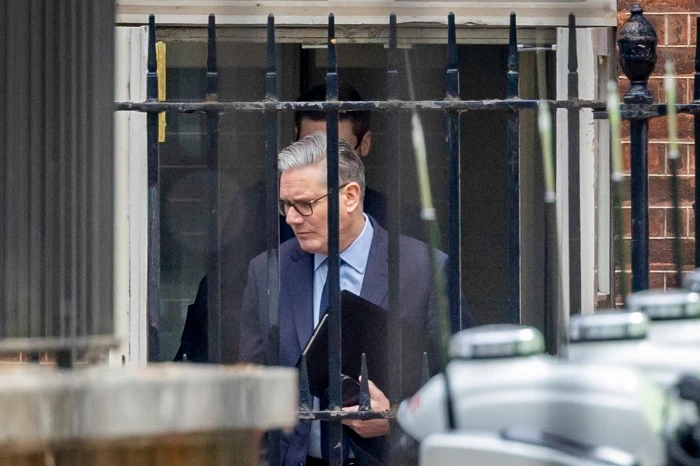
Starmer has tried to hold the line. On Friday, June 19, 2026, he said he would fight any challenge to his leadership and warned Labour not to tear itself apart with infighting. But the pressure has only widened, with some Labour figures saying Burnham’s victory had strengthened the case for a “dignified exit” for Starmer.
The mechanics of a challenge are unforgiving. Labour rules require backing from 20% of the Parliamentary Labour Party, or 81 MPs under the current Commons total, to trigger a contest. If that threshold is reached, the National Executive Committee would set the timetable, turning a murky revolt into an open leadership contest.

The stakes go well beyond one man’s future. Starmer won a landslide in the July 2024 general election, but has since become deeply unpopular after scandals and policy U-turns left many voters unconvinced he could deliver the better living standards he promised. In mid-May, YouGov put his net favourability at -46, while Burnham was the most popular Labour figure and the only one a majority of 2024 Labour voters viewed positively.
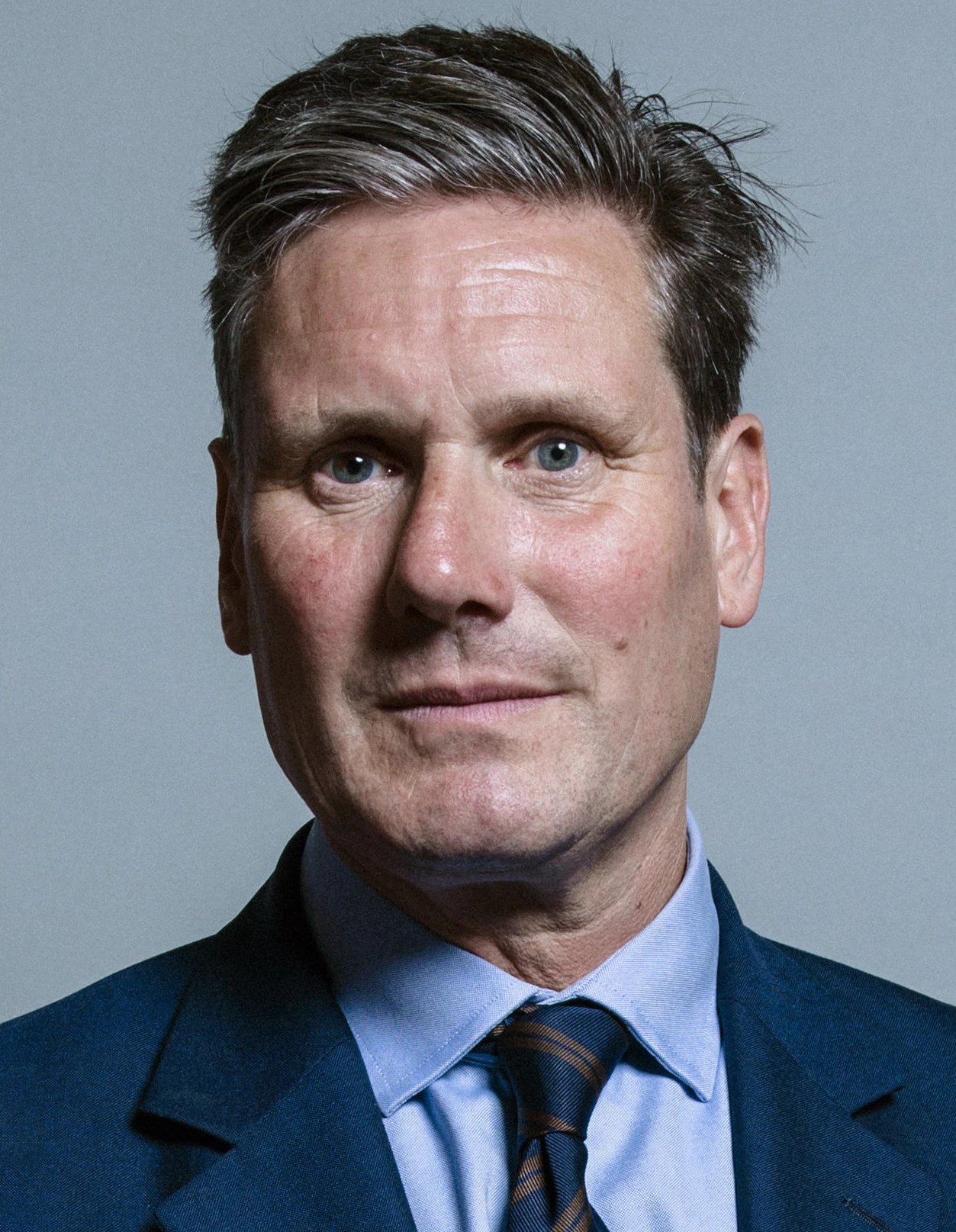
If Starmer quits or is forced out, Britain would be installing its seventh prime minister in just over a decade, a level of turnover almost unmatched in a modern parliamentary system. Even if he survives this moment, prolonged uncertainty would still weaken Labour’s grip, unsettle the government’s authority and make governing harder at a time when the party can least afford a credibility crisis.
Sources
- [1]usnews.com
- [2]observer.co.uk
- [3]yougov.com
- [4]commonslibrary.parliament.uk
- [5]labour.org.uk
- [6]telegraph.co.uk
- [7]news.sky.com
- [8]aol.com