World
Starmer makes final Kyiv visit, pledges enduring UK support for Ukraine
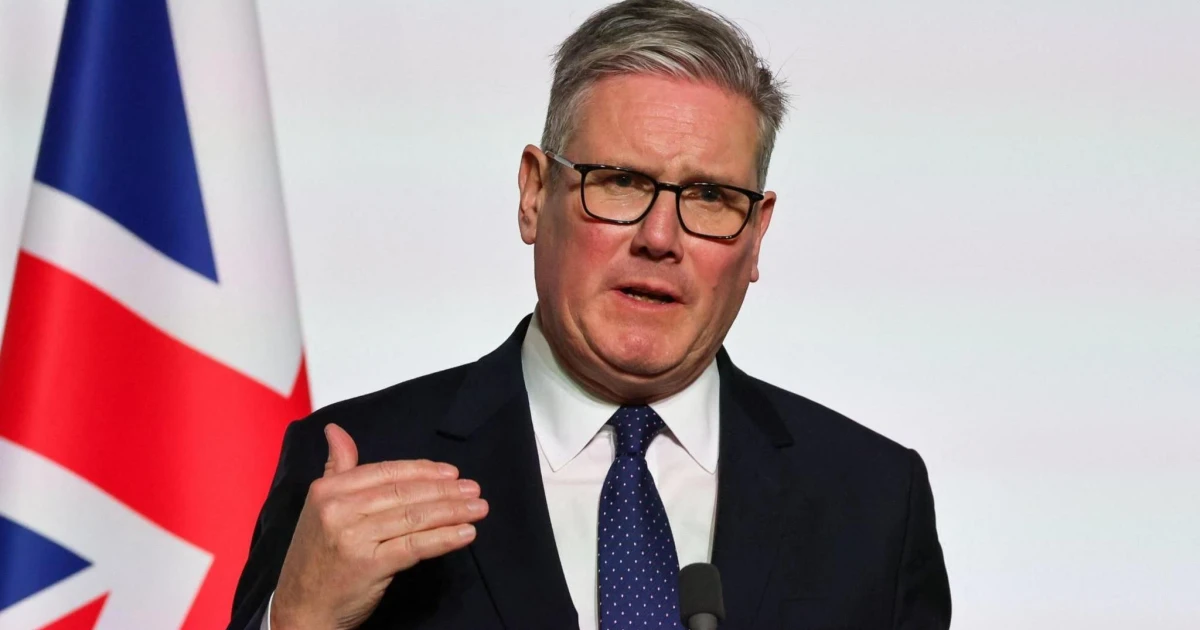
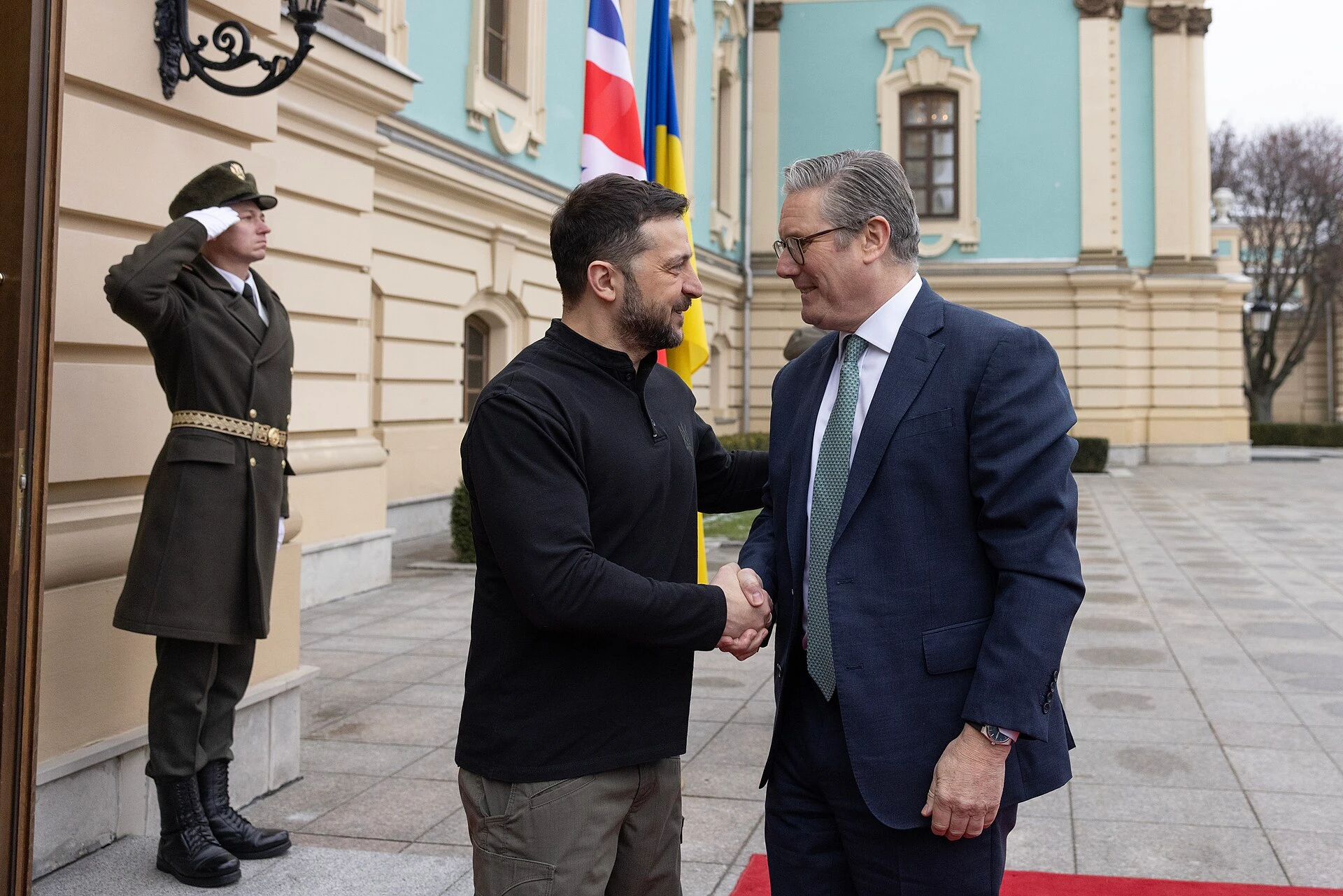
Sir Keir Starmer arrived in Kyiv on Thursday for his final trip to Ukraine as prime minister, promising Britain’s support would endure beyond his last week in office. He was due to meet President Volodymyr Zelenskyy and use the visit to underline how far London is prepared to go, and how much of that backing is already fixed in place.
Downing Street said Starmer would tell Zelenskyy that Britain’s “cast-iron support for Ukraine will always endure,” despite “even more reckless Russian aggression in recent weeks.” The trip was cast as the culmination of two years of Starmer’s leadership on Ukraine, and as a test of whether that language translates into durable commitments rather than farewell-stage diplomacy.
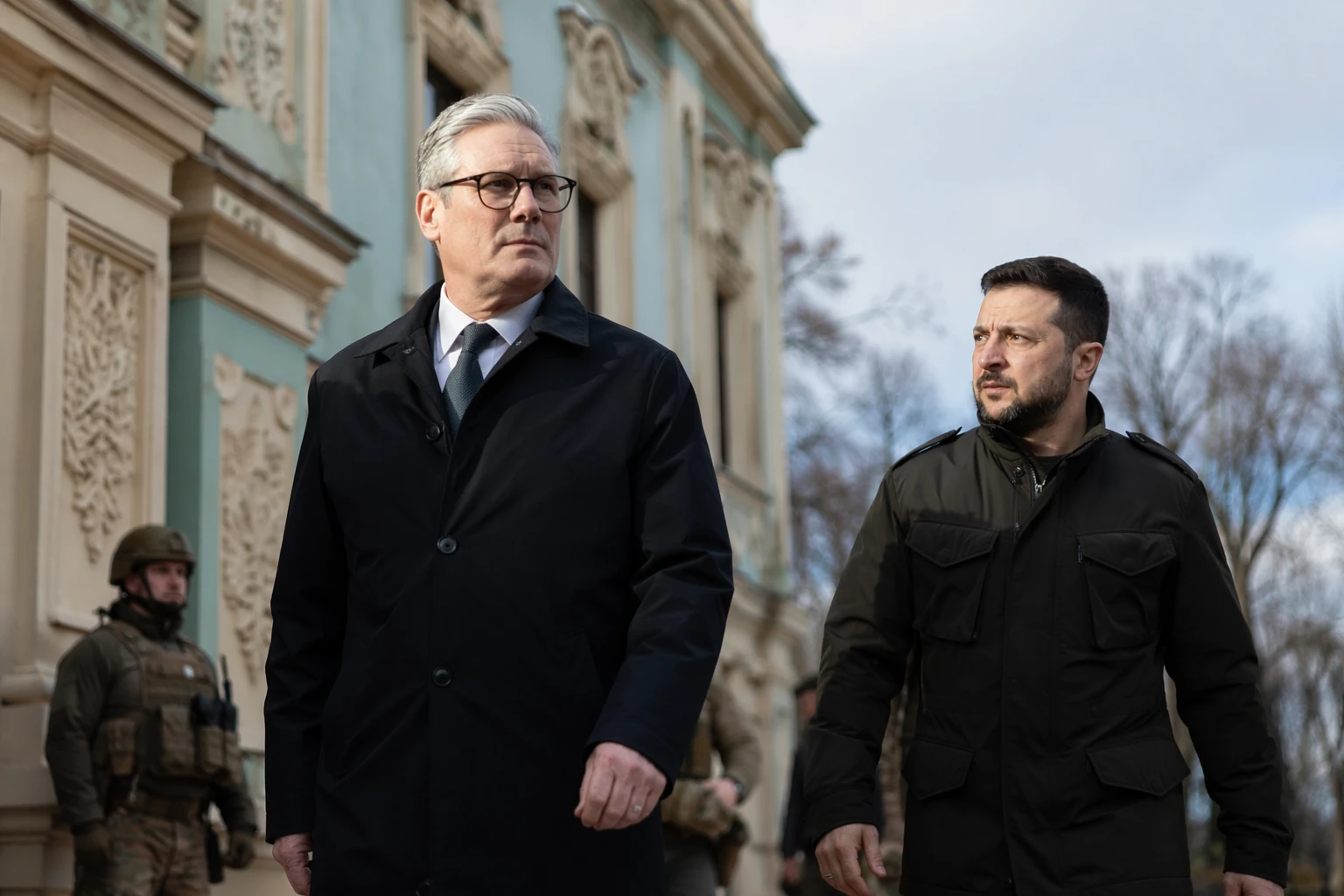
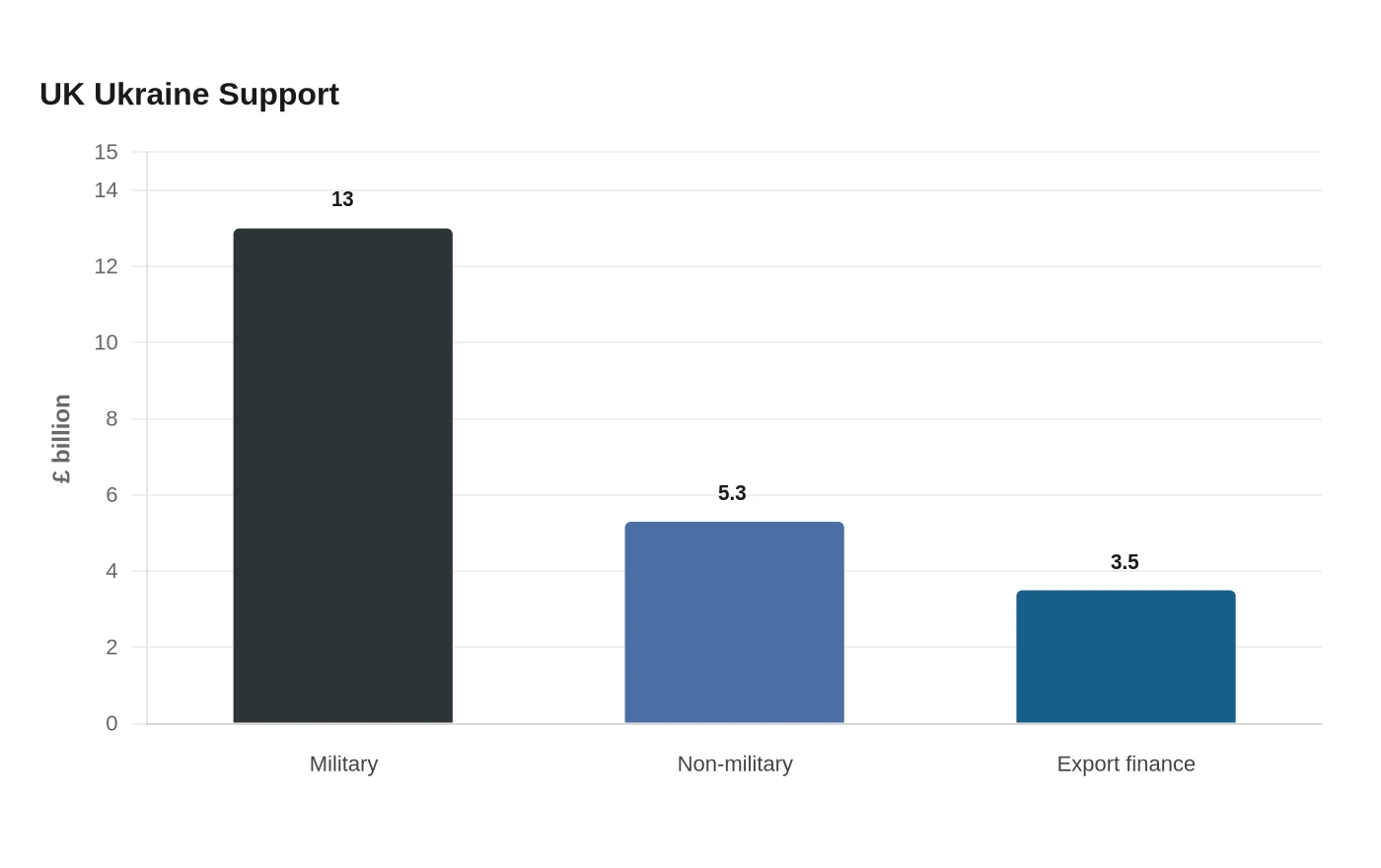
The strongest commitment on the table is financial. The UK says it has now committed up to £21.8 billion for Ukraine, including £13 billion in military support, up to £5.3 billion in non-military support and a £3.5 billion export finance cover limit for reconstruction and defence projects. Those sums are not symbolic: they anchor Britain’s role in Ukraine’s war effort, from weapons and training to rebuilding the infrastructure needed to keep the country functioning.
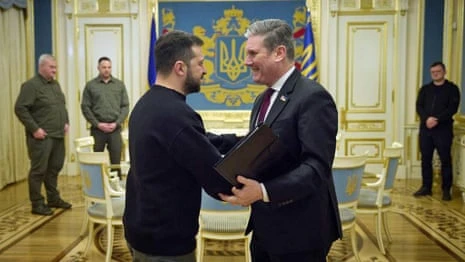
Starmer’s trip also rests on a longer framework that will outlast his premiership. The UK and Ukraine signed a 100 Year Partnership on 16 January 2025, and the deal includes annual military assistance of no less than £3 billion until 2030/31 and for as long as needed. That pledge gives future governments a baseline, though the pace and scale of spending will still depend on ministers who have not yet taken office.
Britain has also used the Coalition of the Willing to turn political support into a broader security structure. The UK says it is jointly leading the grouping with France, and more than thirty leaders reaffirmed security guarantees in Paris on 24 February 2026, on the fourth anniversary of Russia’s full-scale invasion. The G7 set the tone even earlier, issuing its joint declaration on support for Ukraine on 12 July 2023 and pledging to stand with Kyiv “for as long as it takes.”
The war has carried a severe human cost. ICAI said in April 2024 that 6.2 million people were internally displaced in Ukraine and 7.7 million had registered as refugees across Europe, while UK official development assistance to Ukraine reached £311 million in 2022, an 11-fold increase from 2021. Starmer’s last Kyiv visit now sits inside that larger record: a promise of permanence, backed by money already allocated and a security architecture that future leaders will inherit.