Politics
Starmer opens civil service talks for Labour leadership contenders
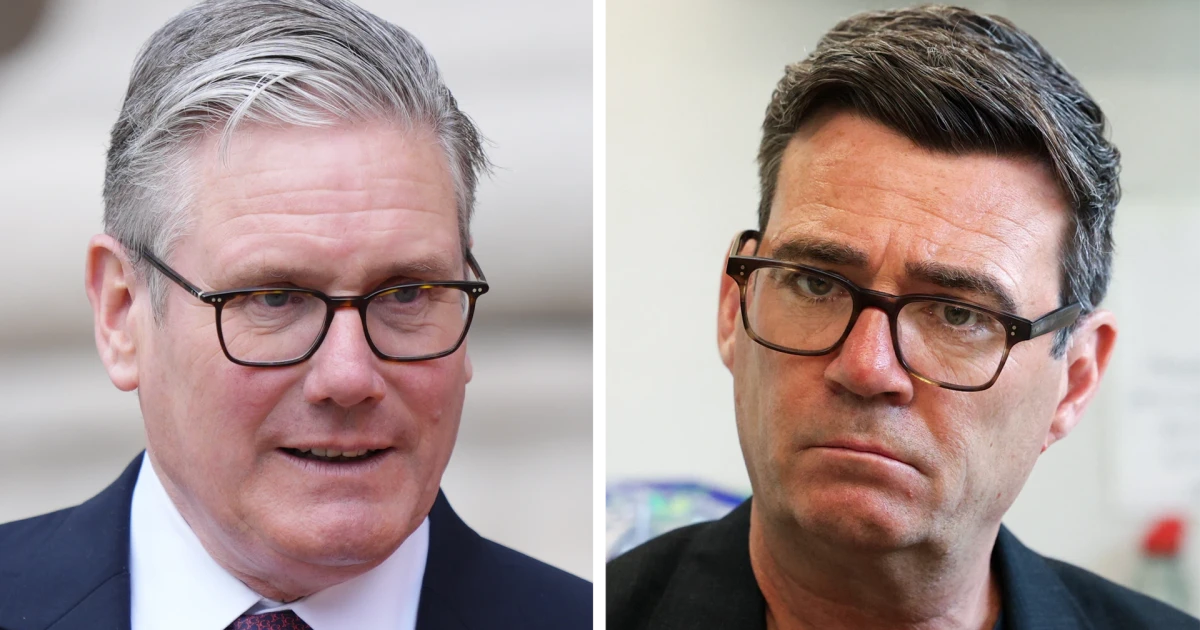
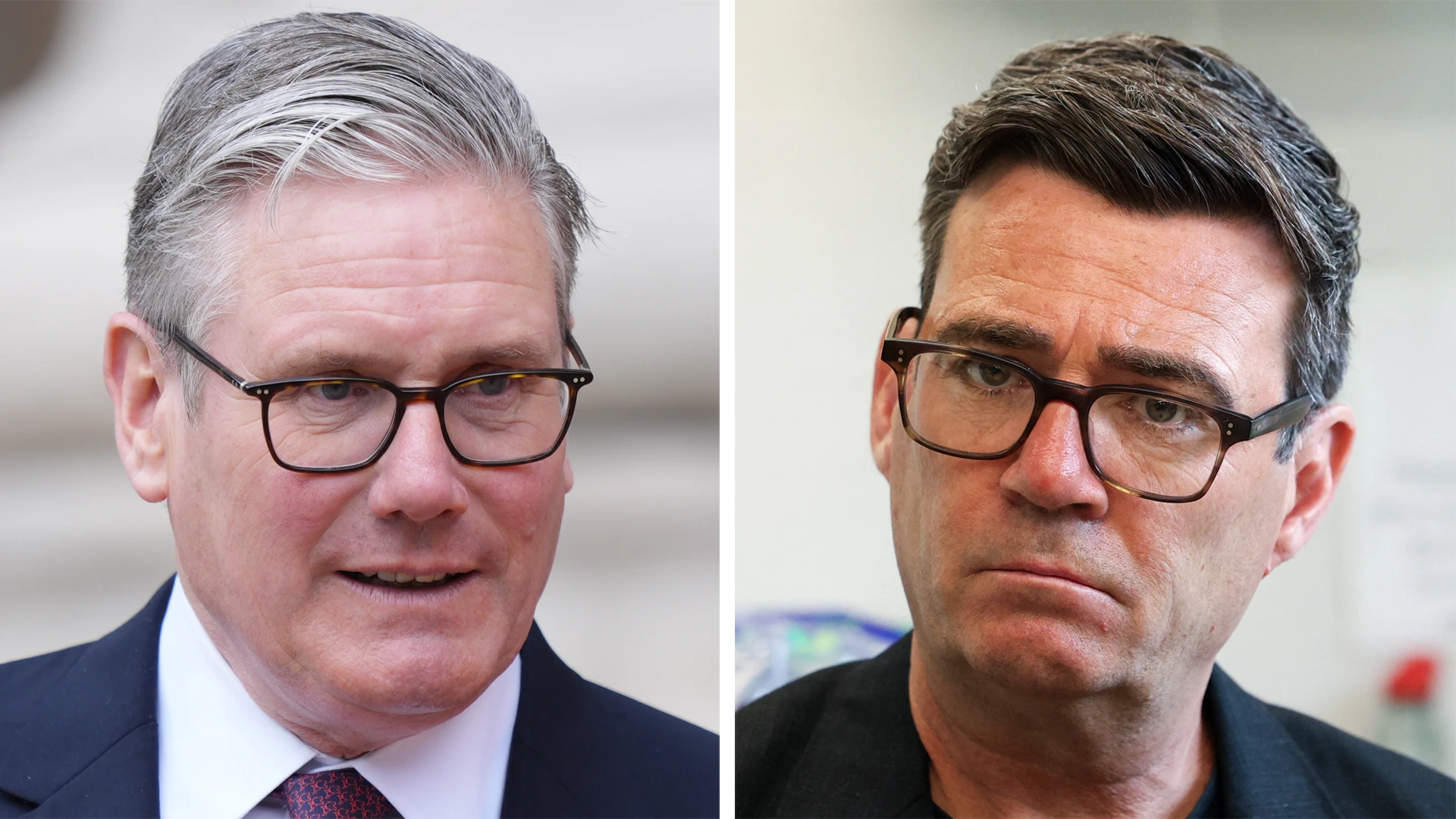
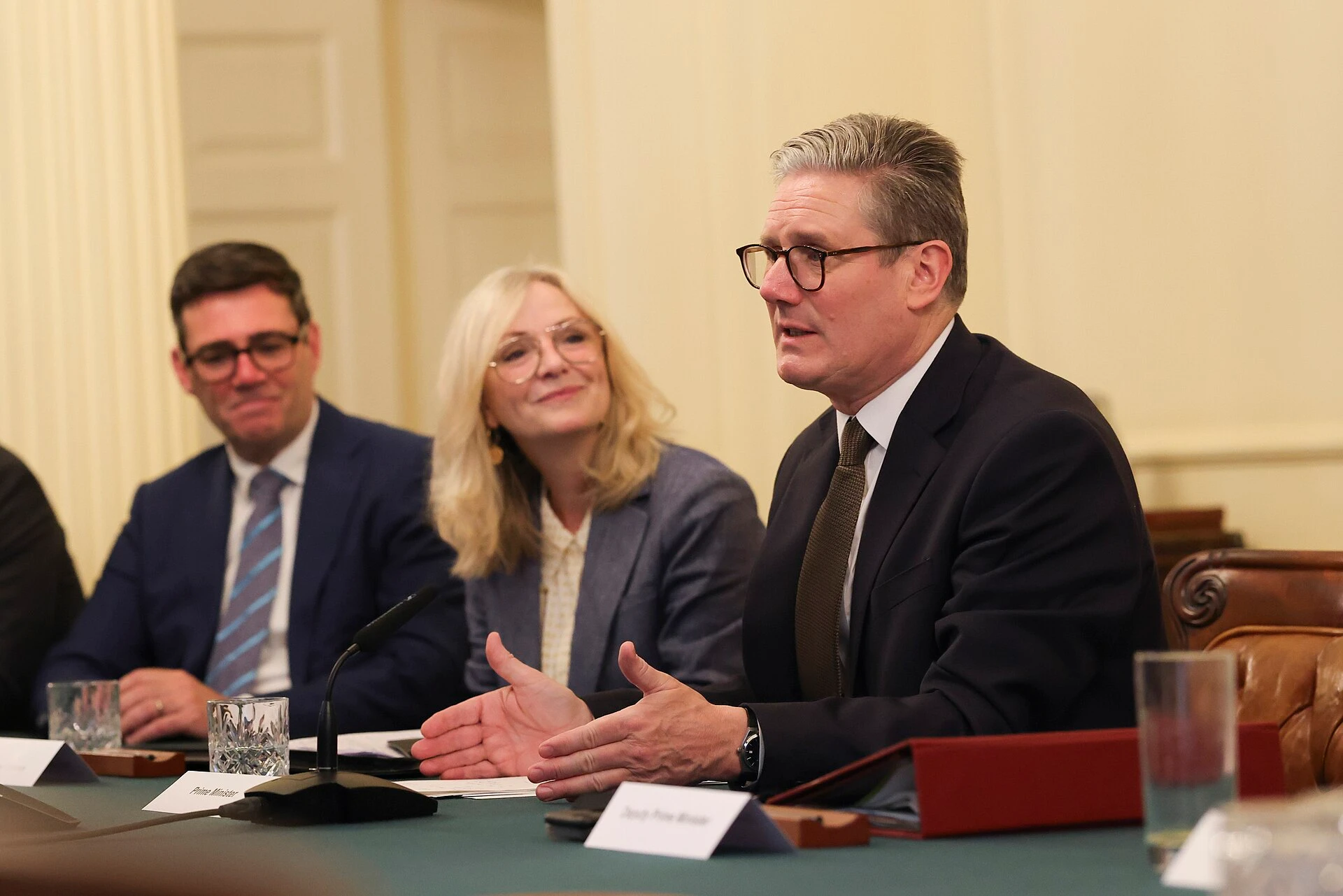
Keir Starmer and Andy Burnham held an hour-long face-to-face meeting on Tuesday as Downing Street opened the door to civil service access talks for Labour leadership contenders. It was the first time the two men had met since Burnham won the Makerfield by-election last week.
Downing Street said the talks would begin "as soon as possible" and take place before formal nominations for any Labour leadership contest close on 16 July. The briefing sessions are expected to cover the formation of government, key policy priorities and security briefings, while No 10 said there would be no new major policy or spending commitments until a new prime minister is in place. Burnham is the only candidate to have emerged so far, and if he faces no challenger he could become prime minister as early as 17 July.
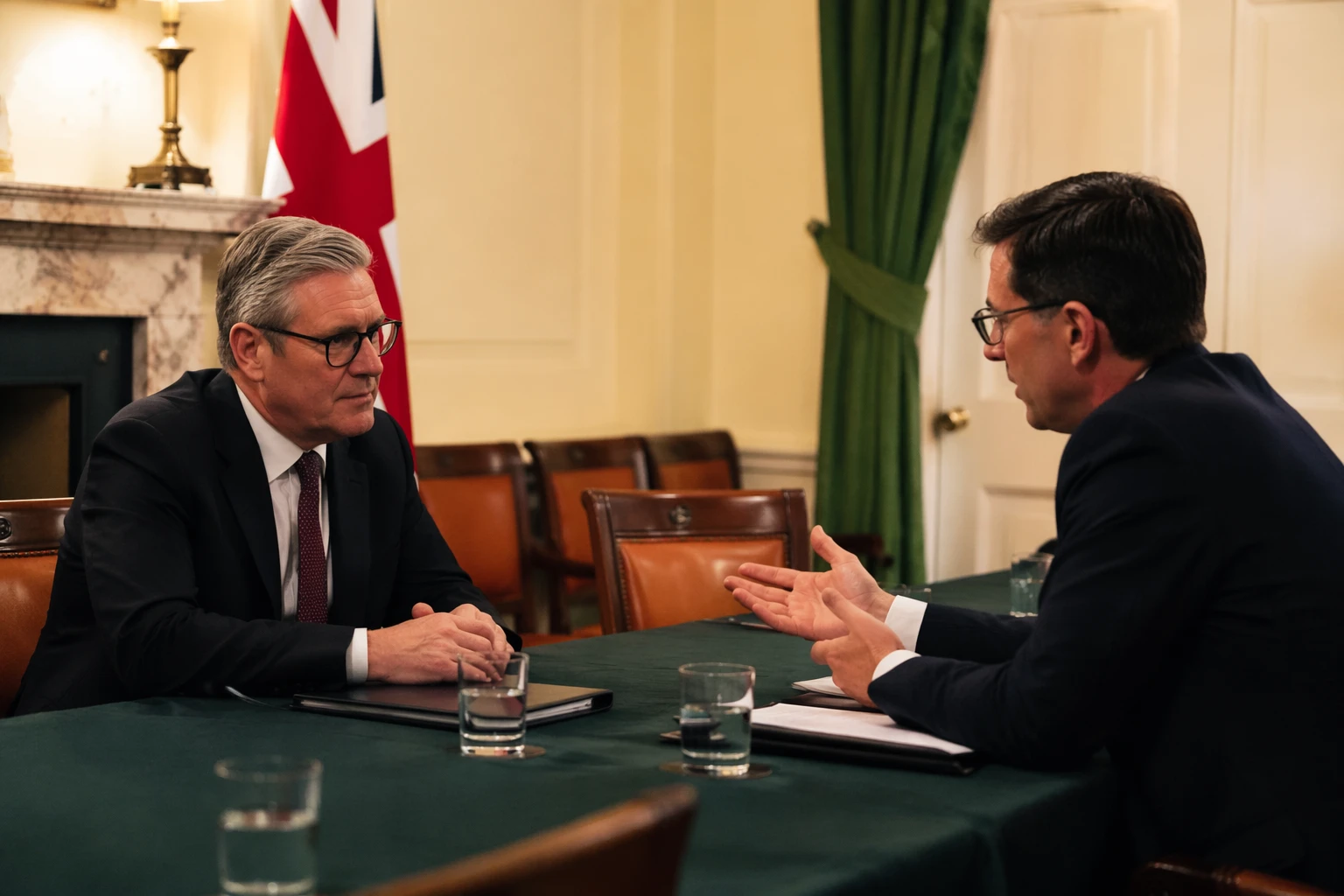
The timing underlined the political calculation for both men. Starmer told ministers at Tuesday morning's weekly Cabinet meeting that he wanted an "orderly transition" and would seek to "resolve difficult issues" in the coming weeks. By authorising access talks now, Starmer can present himself as a steady custodian of government machinery at a moment of uncertainty, rather than as a leader distracted by a contest. Burnham, meanwhile, gains something equally valuable: a chance to look like a prime minister-in-waiting who is already being briefed on the machinery of state, not just a challenger riding a by-election win.
The arrangement is unusual because access talks are normally part of the run-up to a general election, overseen by the Cabinet Secretary, not a mid-term leadership transition. The Institute for Government describes them as meetings between the civil service and opposition parties in advance of a possible change of government, with the leader of the opposition writing to the prime minister to request them. In January 2024, then prime minister Rishi Sunak approved access talks between Labour and civil servants ahead of the general election.
Cabinet Office and civil service guidance says the sessions are confidential and designed to help both sides prepare for a possible change of government. A Cabinet Office spokesperson said the move was "in line with the longstanding process set out in the cabinet manual", which says the meetings take place "on a confidential basis, without ministers being present or receiving a report of discussions". That convention now has a new and more pointed use: showing whether Labour can project competence before it takes power.