Politics
Starmer plans bold social media restrictions for under-16s on Monday
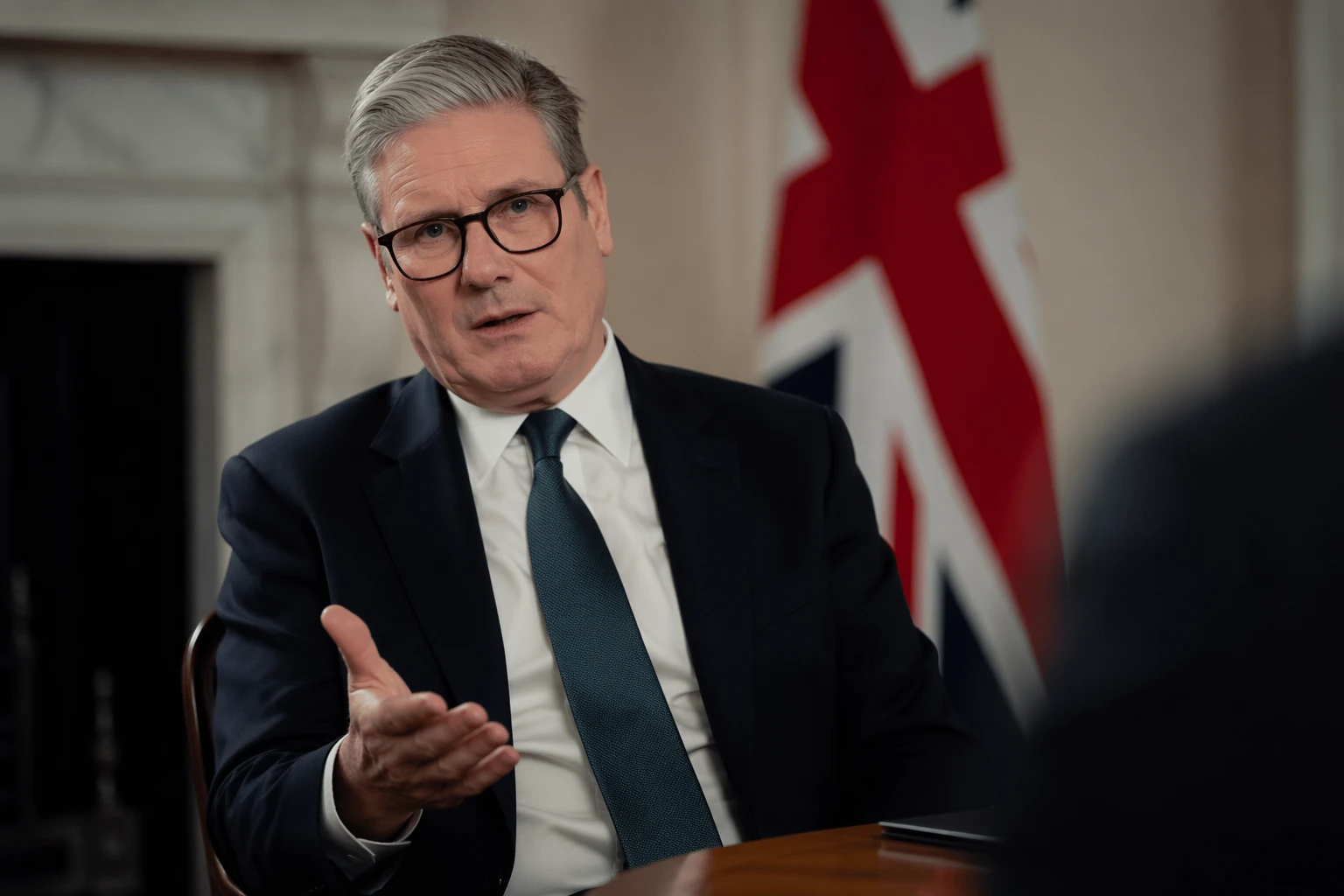
Keir Starmer is set to put a harder edge on Britain’s child online safety regime, with Monday’s announcement expected to spell out what under-16s can still see, what platforms must block, and how the government plans to enforce the new limits. The central test is whether the policy becomes a workable rulebook for social media firms or another politically popular promise that proves difficult to police at scale.
The package is expected to go beyond broad language about safer screens. Reuters reported that it could include bans on popular platforms or on features judged too addictive for young users, building on a consultation launched by the UK government on 2 March 2026 and closed on 26 May 2026. That exercise examined possible age restrictions on social media, curfews, app time limits, gaming and AI chatbots, while government pilots tested social media bans, time limits and digital curfews in 300 teenage homes.
Any new restrictions would land on top of rules already in force. Ofcom’s child-safety duties under the Online Safety Act took effect on 25 July 2025, requiring platforms to use highly effective age assurance and protect children from harmful content, including pornography. The House of Commons Library says the Children’s Wellbeing and Schools Act 2026 will require the government to impose some form of age or functionality restrictions for under-16s, pushing ministers to move beyond the current regime.
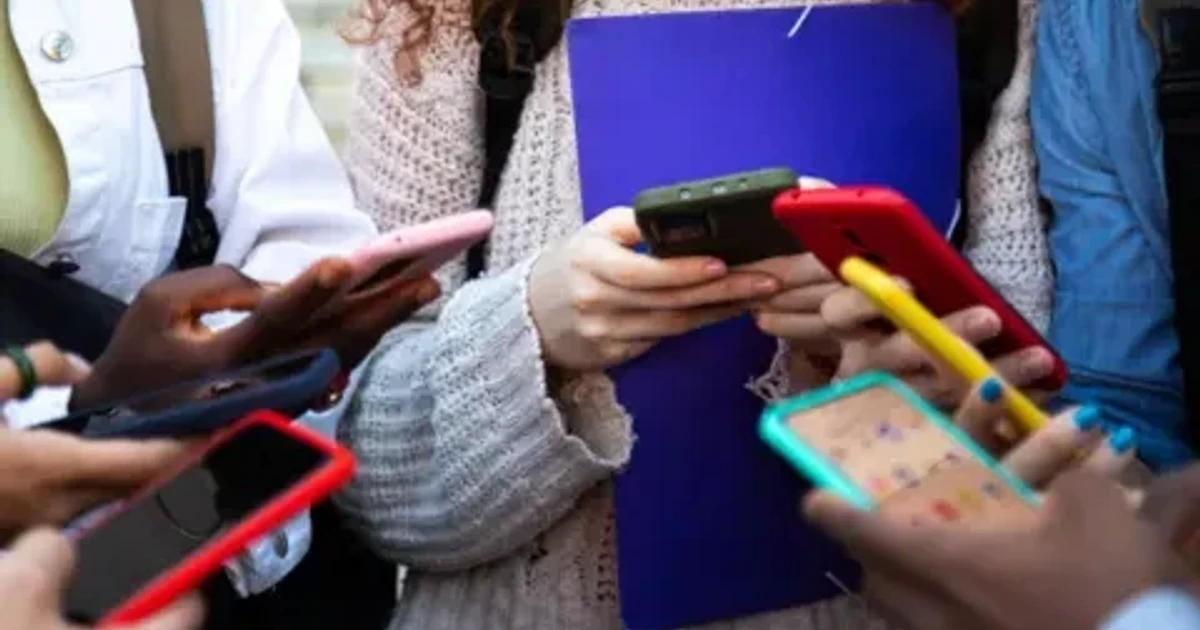
The case for tighter rules rests on how deeply embedded social media already is in teenage life. Ofcom data published in 2025 found that 95% of 13- to 15-year-olds use social media and 96% of that age group have their own profile. Other Ofcom material says 81% of 10- to 12-year-olds use at least one social media app or site and 86% have their own account, underscoring how early the habits form.

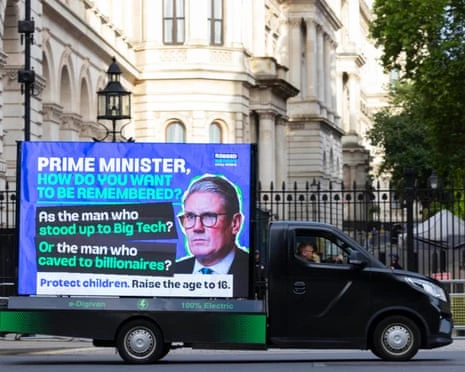
Support has come from law enforcement and child protection figures, who argue that current platforms still expose children to mass discoverability, direct messages from unknown adults, private messaging, algorithmic recommendations, nude-image sharing and weak age assurance. Dame Rachel de Souza, the Children’s Commissioner for England, has backed bold action, while arguing the ban should also cover 16- and 17-year-olds so it applies uniformly up to 18.
The politics have been sharpened by bereaved families. Starmer has been speaking to parents who lost children as he weighs Australia’s under-16 ban, which came into force in December 2025. Ian Russell, whose daughter Molly Russell died in 2017, has accused the prime minister of “playing politics” over the timing. The government says it has received more than 100,000 consultation responses from parents, young people and experts, and will publish an analysis in summer 2026. For ministers, the announcement will be judged not by its symbolism, but by whether platforms can be forced to build it into code, design and age checks that actually hold.