World
Starmer quits as Labour sets leadership race and market watches
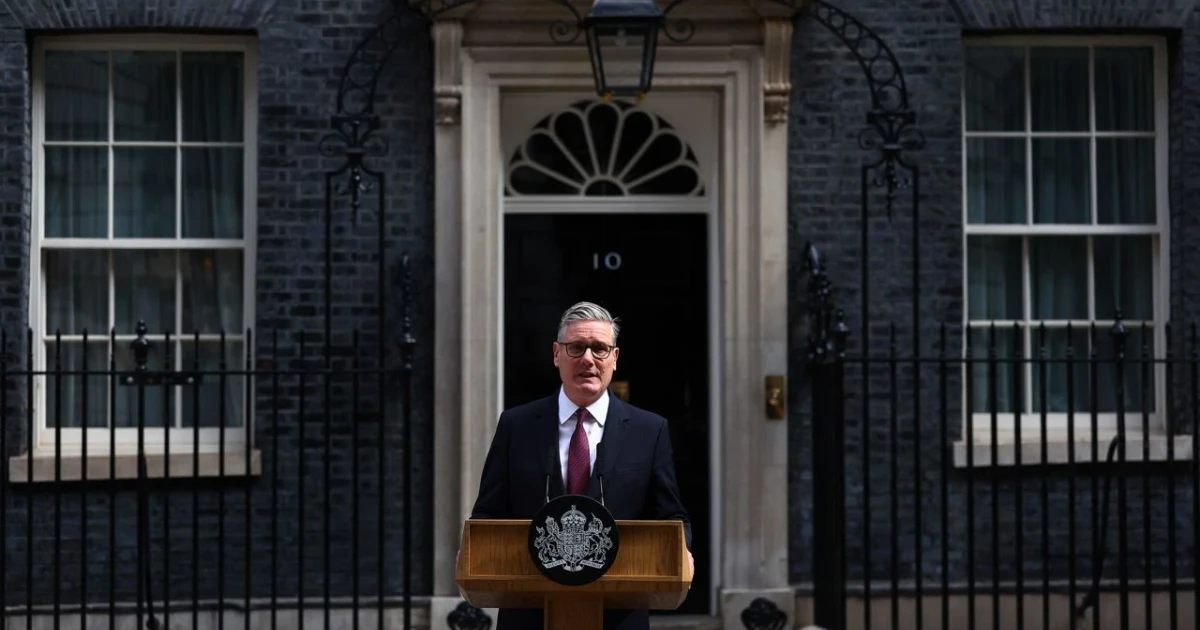
Sterling barely blinked when Keir Starmer said he would step down as Labour leader and prime minister, a reminder that investors were treating the shift at 10 Downing Street as political uncertainty, not institutional stress. The pound slipped only modestly and 10-year gilt yields moved around 4.81% to 4.85% after the announcement, a restrained reaction that suggested markets still see Britain’s economic framework as intact even as the leadership picture turned murky.
Starmer said he would remain in post until the Labour leadership contest is completed, framing the transition as an orderly handover of power. Labour nominations are expected to open on July 9 and close by the summer parliamentary recess on July 16, with a new leader expected before Parliament returns in September. Starmer also informed King Charles III of his decision, underscoring that the resignation was being managed through the formal structures of government rather than through a sudden rupture.
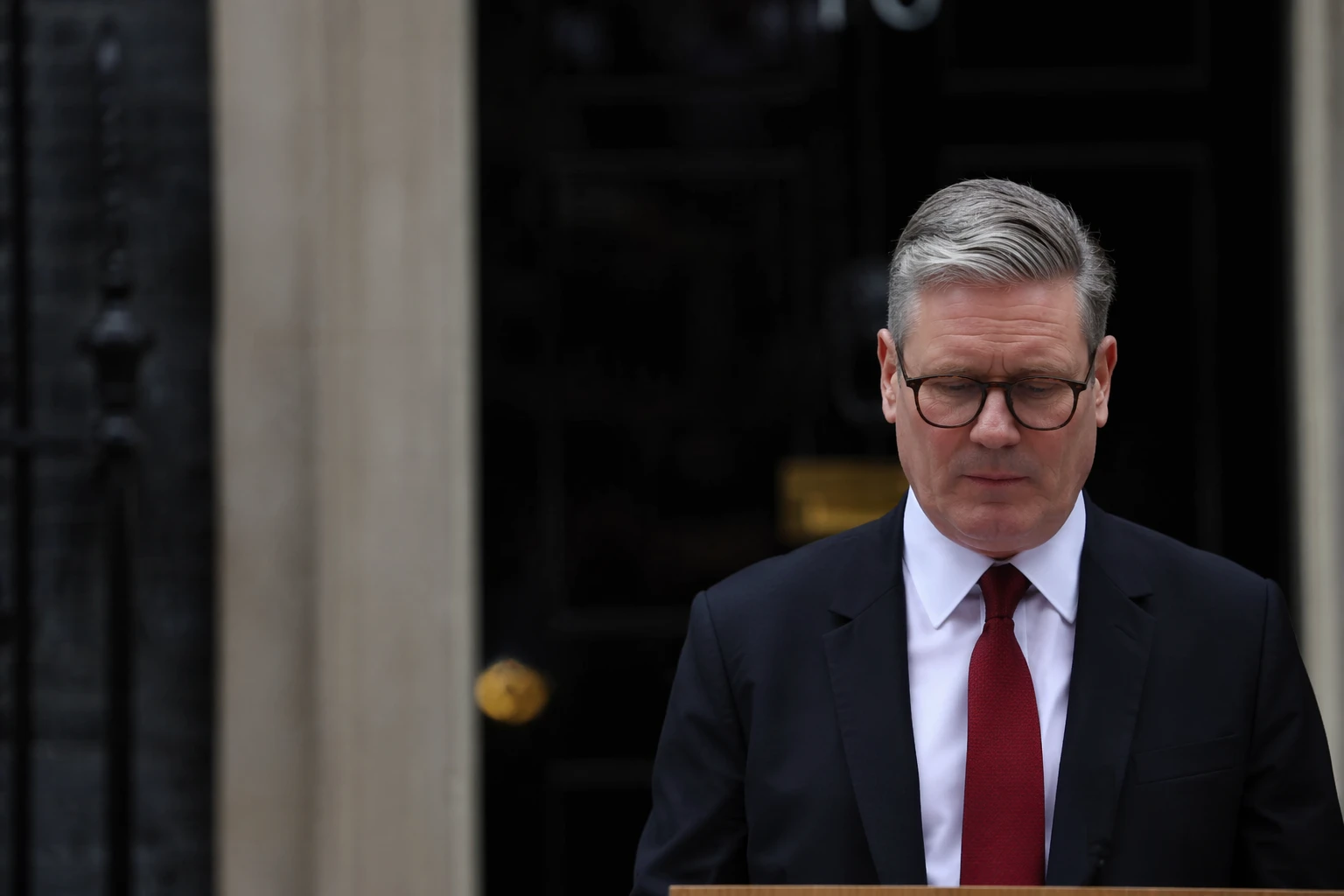
The exit came after mounting pressure inside Labour following heavy losses in the May 7 local elections, along with criticism from within the party and weakening poll ratings. It also lands less than two years after Labour’s landslide victory in the July 2024 general election. If the transition proceeds as expected, Starmer will become the shortest-serving Labour prime minister in history, and Britain will be on track to its seventh prime minister in 10 years.
For markets, the immediate question is not who fills the job title but what comes next in policy. Analysts said the next prime minister’s choice of chancellor and overall fiscal stance will matter as much as Starmer’s resignation itself, because borrowing costs can move quickly if investors perceive greater fiscal risk. That is why traders are watching sterling, gilts and the FTSE for signs of discipline, continuity and credibility rather than political theatre.
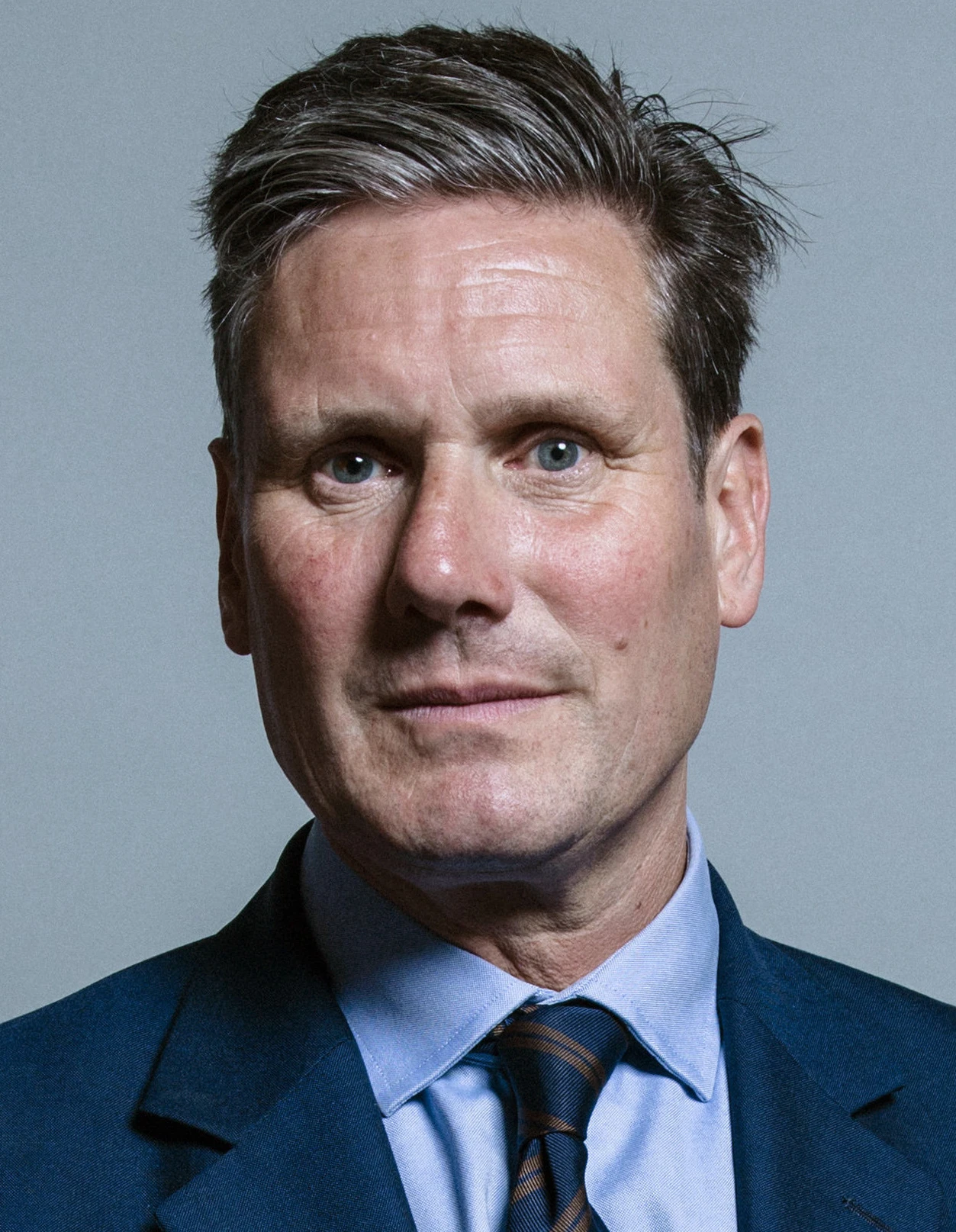
Andy Burnham, who won a decisive special-election victory in Makerfield on June 18, said he would stand in the leadership contest and was being treated as the frontrunner in market thinking. His entry sets up a contest that will test Labour’s internal balance as well as the confidence of investors who are judging whether Britain’s institutions can absorb another change at the top without a broader loss of economic stability.
Sources
- [1]nytimes.com
- [2]cnbc.com
- [3]global.morningstar.com
- [4]morningstar.com
- [5]news.sky.com
- [6]reuters.com