World
Starmer resigns as Labour leader after election losses, succession race begins
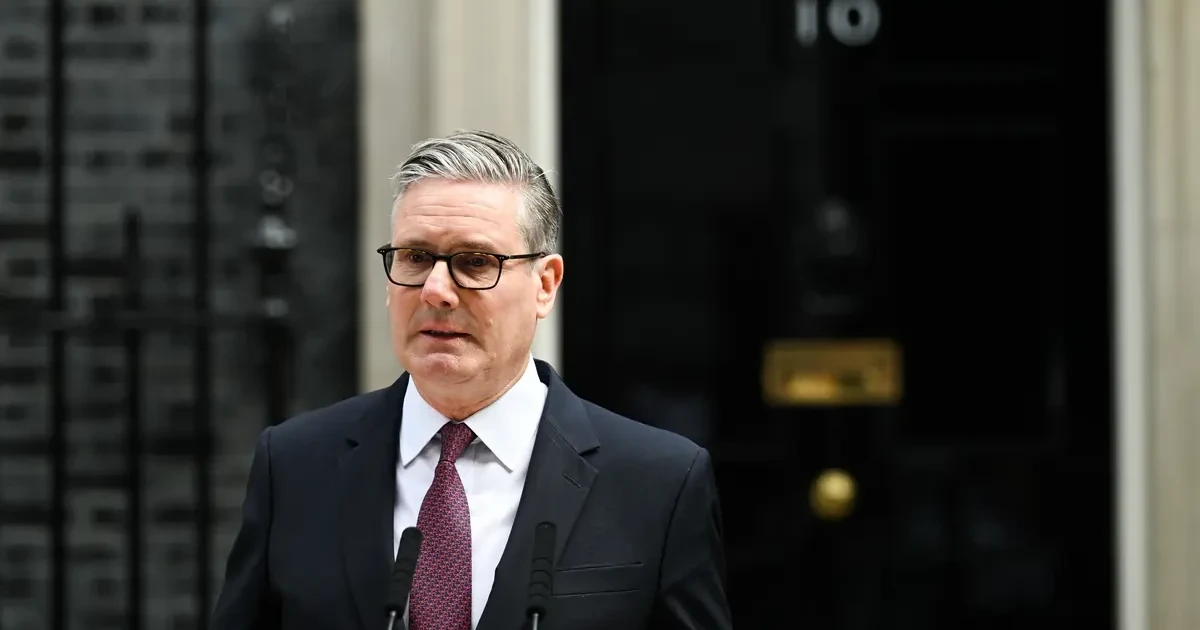
Keir Starmer’s resignation has opened a fresh round of political uncertainty in London at the very moment Washington is probing a narrow diplomatic opening with Iran. The two moves landed in the same news cycle, underscoring how quickly the international picture can shift for U.S. policymakers when a key ally weakens at home and a rival starts talking at the same table.
Starmer said he will step down as Labour leader and remain as caretaker prime minister until the party chooses a successor. The move follows heavy Labour losses in England’s local elections in early May, which eroded support inside his own party less than two years after Labour’s landslide general election victory in July 2024. Reporting says nominations for the leadership contest are expected to open on July 9 and the race could be completed by the summer recess on July 16.
The speed of Starmer’s collapse points to the scale of the reversal. He had already conceded that he lost the backing of party members in Parliament, and analysts say Britain could be headed toward its seventh prime minister since the Brexit vote, a sign of persistent churn in Westminster. Andy Burnham, the former Greater Manchester mayor, has emerged as a leading possible successor, setting up a race that will test whether Labour wants a reset from outside Westminster or a continuation of Starmer’s line.
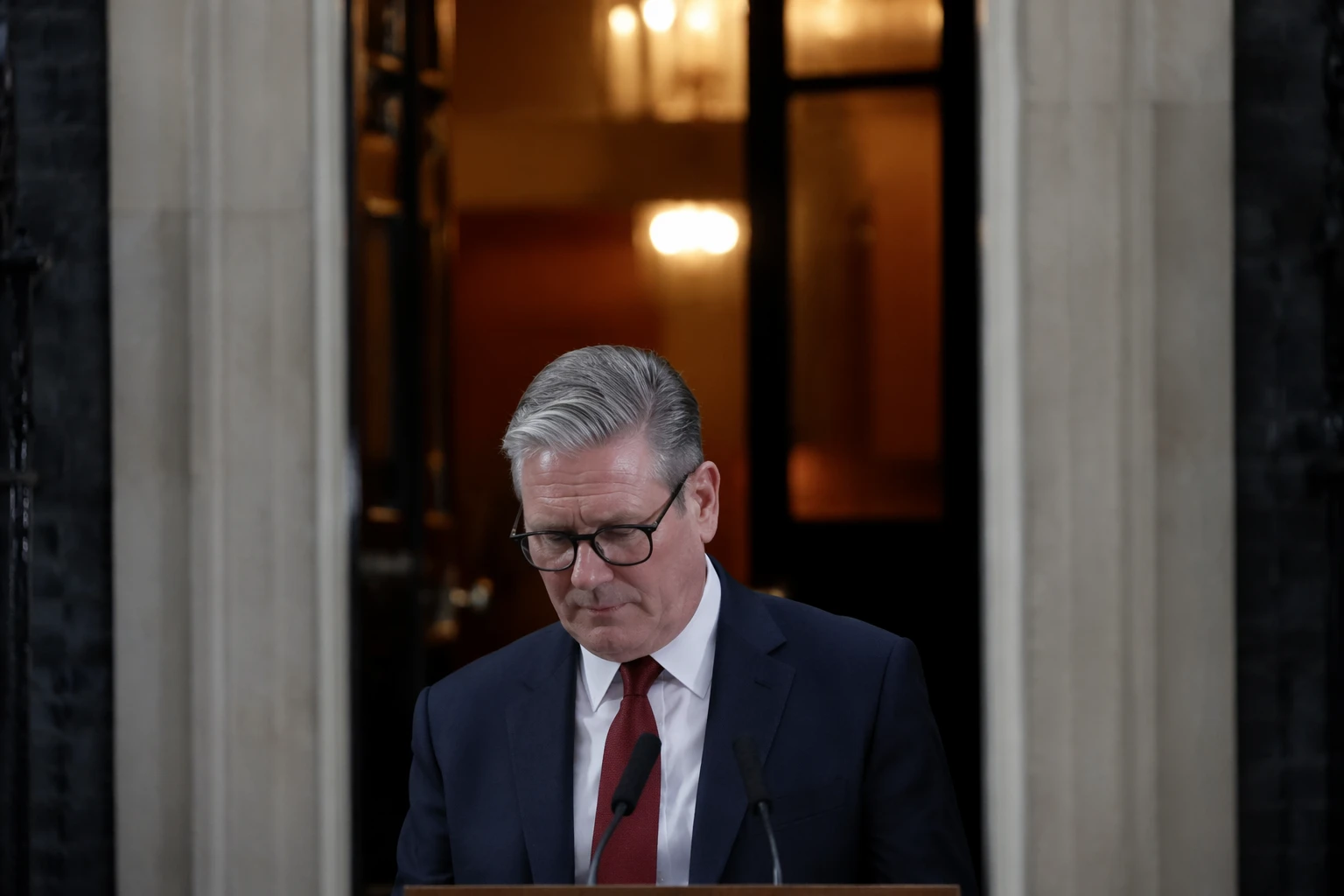
While Britain was absorbed by that succession fight, U.S. and Iranian negotiators were meeting at the Bürgenstock resort near Lucerne, Switzerland, where mediators from Qatar and Pakistan said the two sides agreed to a roadmap for a final deal within 60 days. The mediators said the package includes a communication line to avoid incidents in the Strait of Hormuz, technical talks to begin immediately, and a committee focused on nuclear monitoring and sanctions. U.S. Vice President JD Vance took part in the talks, and Iranian Foreign Minister Abbas Araghchi said there had been “major progress.”
The diplomacy remained fragile. Donald Trump warned on social media that the United States would strike Iran harder if Iran’s proxies in Lebanon did not stop causing trouble, while Iranian officials said they were prepared to respond and argued that continued Israeli strikes in Lebanon violated the tentative agreement reached last week. Together, the British leadership crisis and the Iran track show a foreign policy environment that can turn over almost overnight, with Washington balancing instability among allies and negotiation with adversaries at the same time.
Sources
- [1]npr.org
- [2]apnews.com
- [3]cbsnews.com
- [4]usnews.com
- [5]tpr.org