Politics
Starmer resigns as Labour leader after mounting party pressure
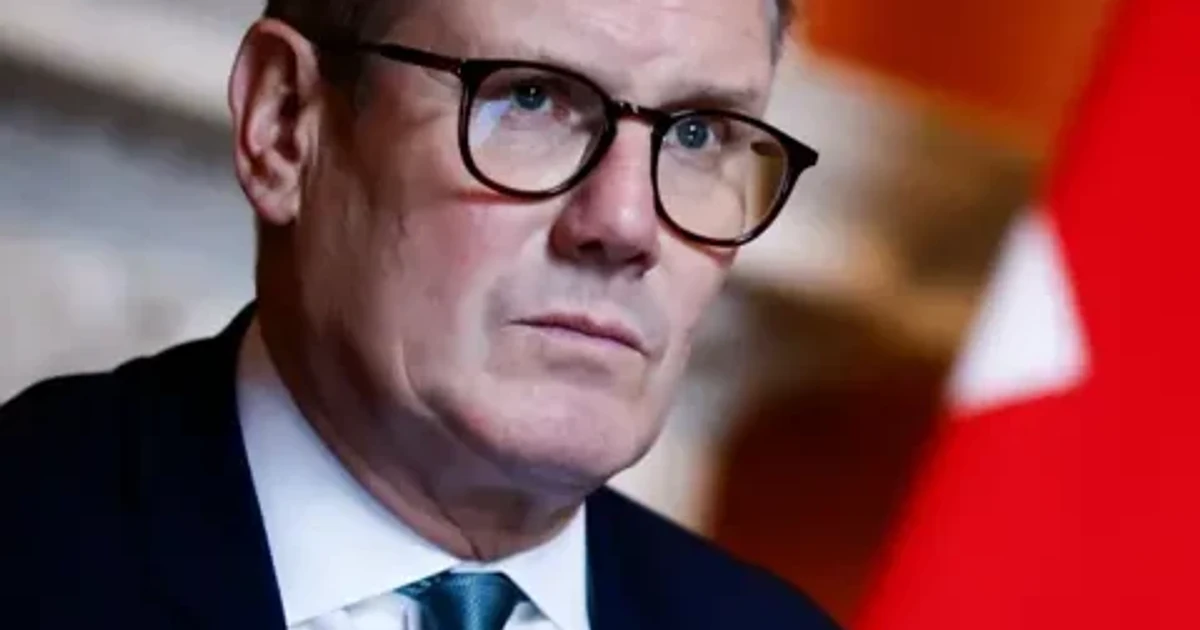
Sir Keir Starmer’s exit ends one of the sharpest reversals in modern British politics. The man who swept Labour to a 411-seat landslide on 4 July 2024 was forced to resign as party leader on 22 June 2026 after weeks of mounting pressure from inside his own ranks, with Labour colleagues concluding that his authority had run out.
Starmer told the country he would step down as prime minister within weeks and remain in office as caretaker until Labour chooses a successor. It is a striking end to a premiership that began with a 174-seat majority, Labour’s third-best result in history and its strongest showing since 2001, after 14 years of Conservative-led government under Rishi Sunak. The scale of the victory had suggested a new governing era. Instead, the mandate frayed almost as quickly as it was won.
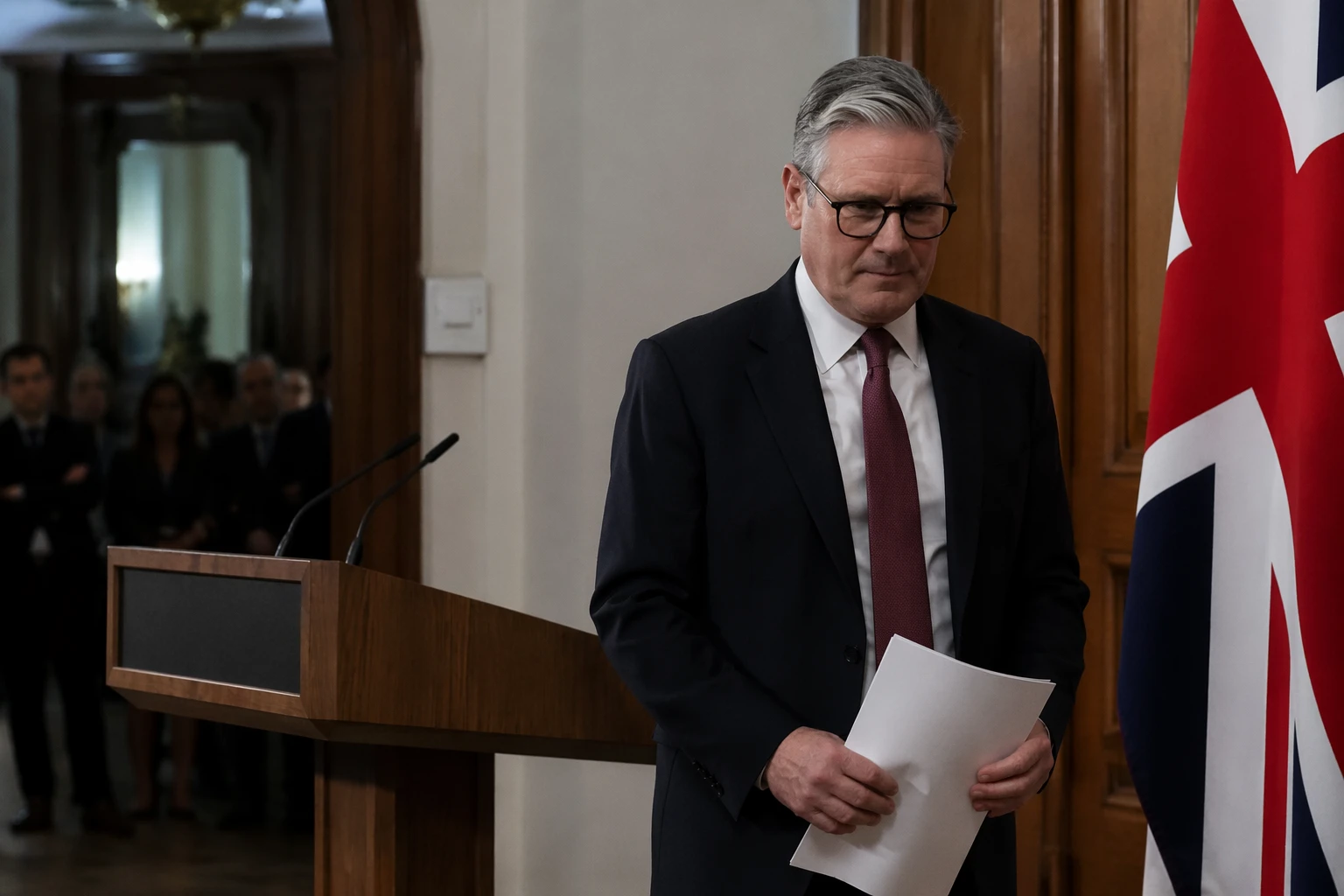
The problem was not lack of discipline. It was that discipline never turned into trust. Starmer’s methods, tight, prosecutorial and relentlessly rules-driven, worked in opposition and helped deliver power. In government, they often produced the opposite of what Labour needed from a prime minister: a public brand that felt cautious, remote and brittle. Policy U-turns and persistent unpopularity left the party looking administratively competent on paper, but unable to generate loyalty or emotional connection.
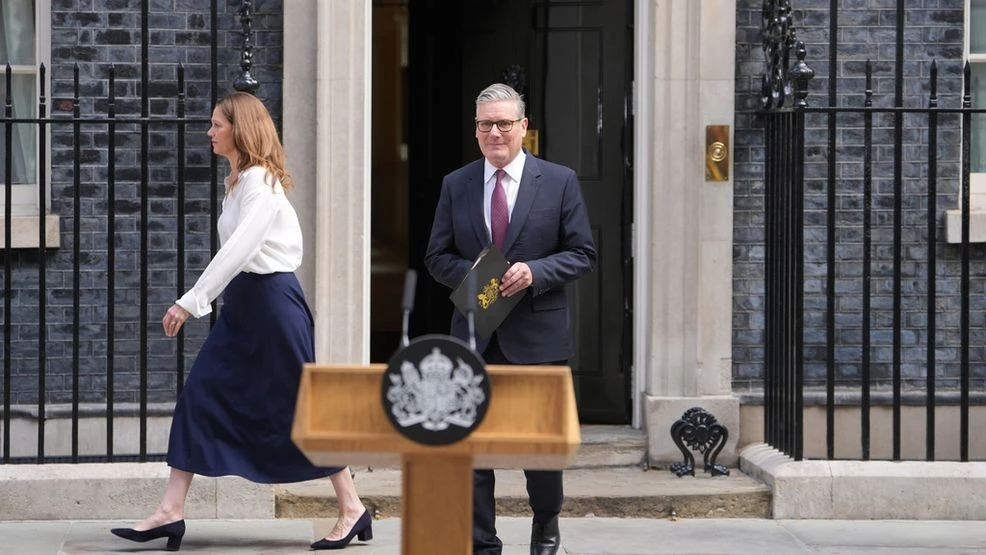
The break came after heavy Labour losses in local elections in early May 2026. From that point, the mood inside the party hardened fast. Starmer’s popularity and Labour’s support fell sharply, and some MPs decided his time was up. Pressure intensified further as Andy Burnham emerged as a possible successor after winning a parliamentary seat, giving restless members a fresh alternative as Westminster turned on the leader who had once seemed untouchable.
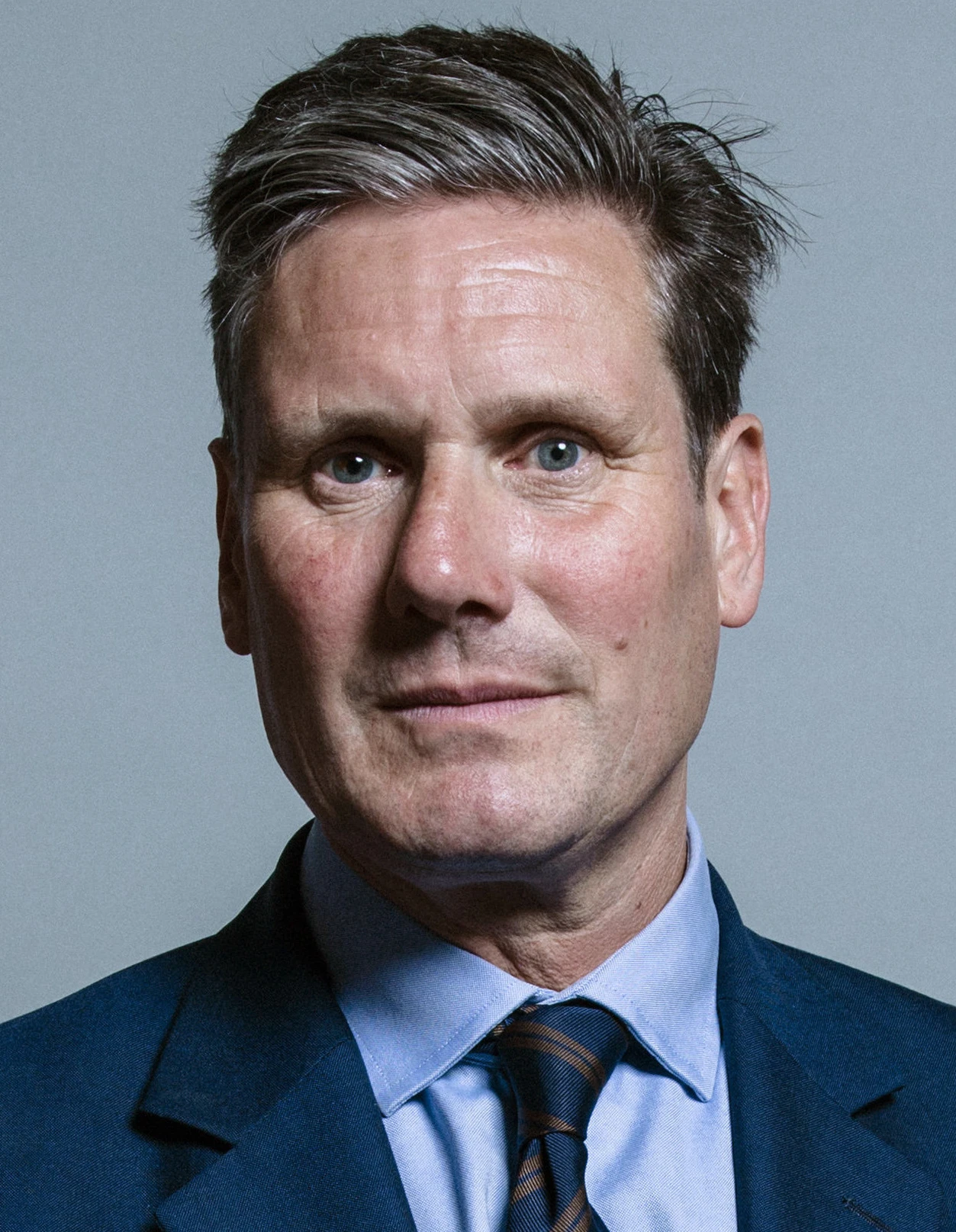
Starmer has asked the Labour National Executive Committee to set out the process for choosing his successor. Nominations are due to open on 9 July, and Labour is expected to try to have a new leader in place before Parliament returns from summer recess on 1 September. The timetable reflects the speed of the collapse: a landslide built on control and competence has ended in a contest over connection, resilience and whether Starmer ever became a political brand that could survive governing.
Sources
- [1]bbc.com
- [2]apnews.com
- [3]bbc.co.uk
- [4]en.wikipedia.org
- [5]aljazeera.com
- [6]telegraph.co.uk