World
Starmer resigns as Labour leader, opening race for successor
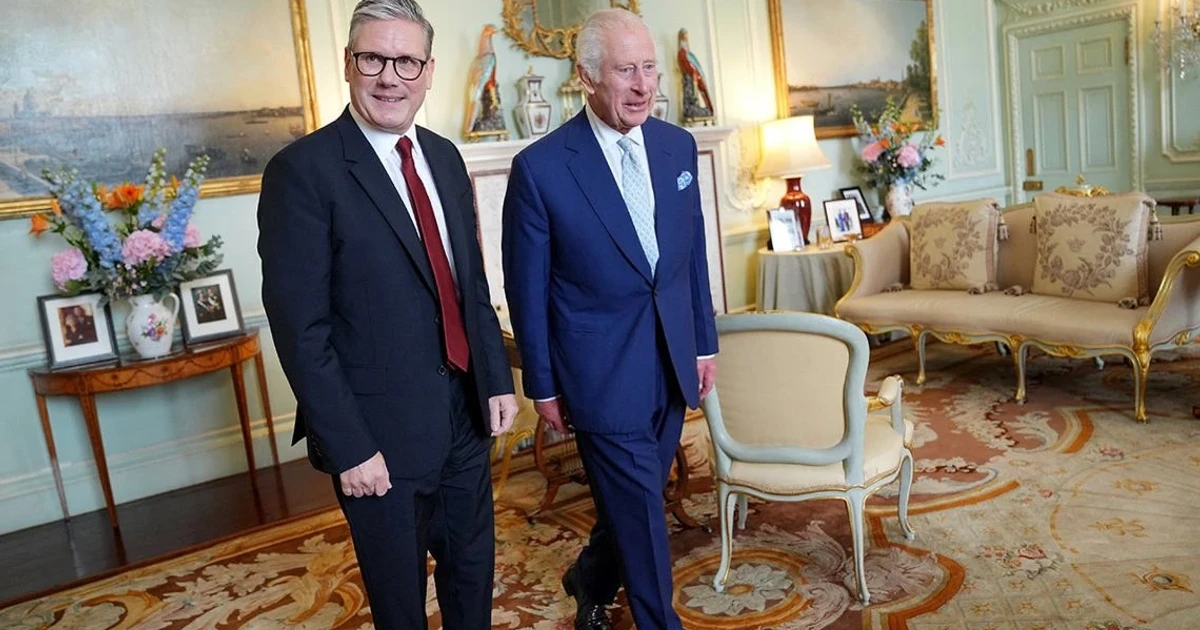
Keir Starmer’s resignation as Labour leader has thrown Westminster into a fresh political shockwave and opened a race that could reshape Britain’s government within weeks. He said he had heard his parliamentary party’s verdict on whether he was best placed to lead Labour into the next general election, accepted it with good grace and will stay on as caretaker prime minister until a successor is chosen.
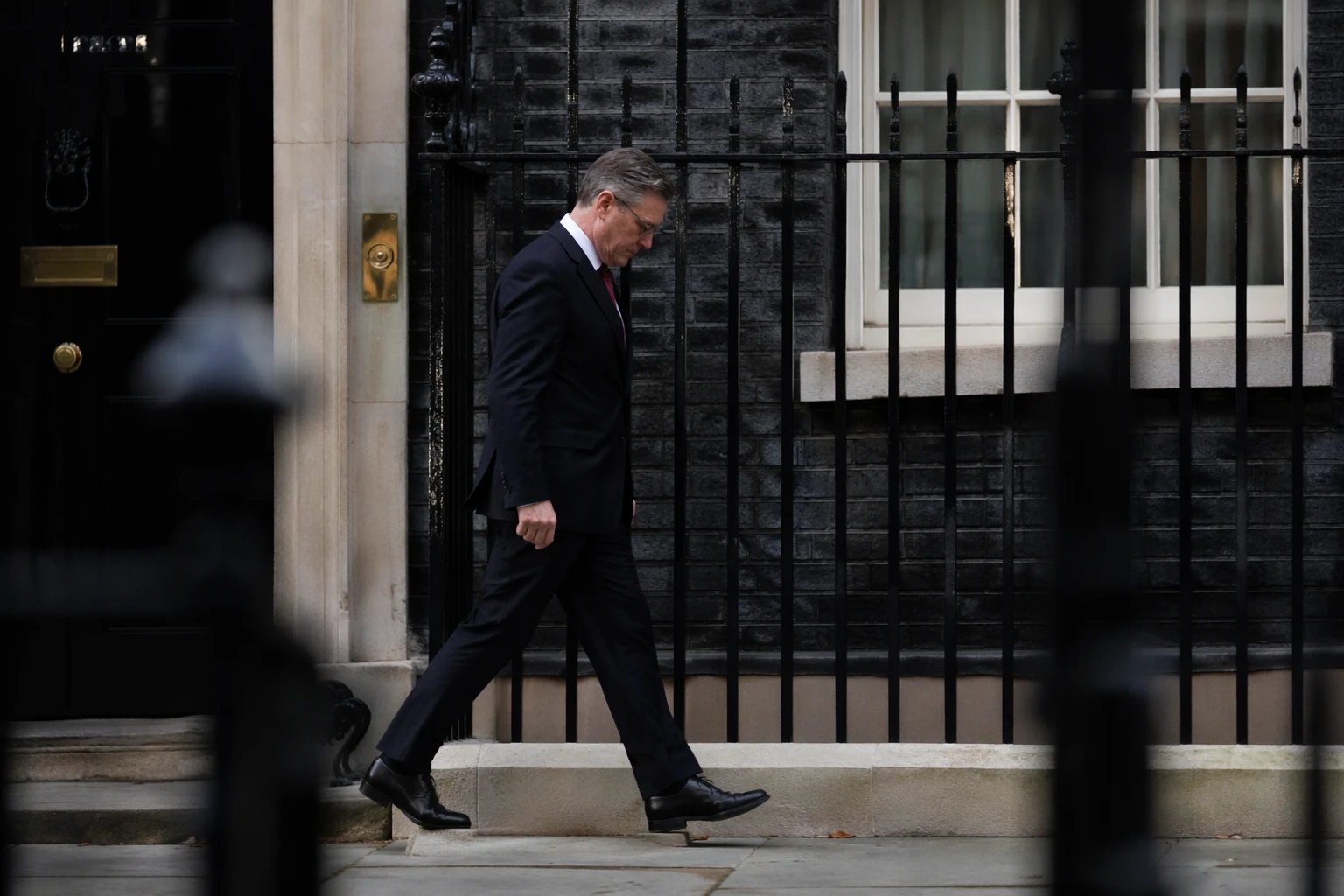
The move instantly raises the practical question facing London: how stable is the government now, and who sets its direction next? Starmer spoke outside 10 Downing Street after telling King Charles III about his decision, underscoring how quickly a landslide winner from 2024 has moved from commanding power to managing an orderly exit after less than two years in office. Britain is now set to have its seventh prime minister in the last decade, a churn that has already seen David Cameron, Theresa May, Boris Johnson, Liz Truss and Rishi Sunak leave office since July 2016.
The resignation follows mounting pressure from inside Labour after disappointing local election results and days of intense internal revolt. The party now faces a leadership contest under rules that can be triggered by a resignation or by nominations from at least 20% of MPs. The Labour Party National Executive Committee will set the timetable and the election procedure, and reports have said nominations could open on July 9, with a new leader potentially in place by September when Parliament returns.
Andy Burnham has emerged as the figure who could turn the crisis into a full leadership challenge. Burnham returned to Westminster after winning the Makerfield by-election on June 18, 2026, taking a decisive majority over Reform UK’s Robert Kenyon, and his victory is widely seen as the moment a formal bid for the top job became possible. That prospect gives Labour an immediate succession fight at the same time it must reassure voters, MPs and party activists that the government can still function.
For now, Starmer’s departure leaves Labour trying to steady itself after a landslide victory that ended 14 years of Conservative rule. Whether the coming contest proves to be a party revolt, a governing crisis or the start of a broader realignment in British politics will depend on how quickly Labour can choose a successor and whether that successor can restore authority before the summer is out.
Sources
- [1]nytimes.com
- [2]apnews.com
- [3]cnbc.com
- [4]telegraph.co.uk
- [5]aljazeera.com
- [6]commonslibrary.parliament.uk
- [7]labour.org.uk
- [8]pollcheck.co.uk
- [9]labourlist.org