World
Starmer resigns as UK prime minister, triggering Labour leadership race
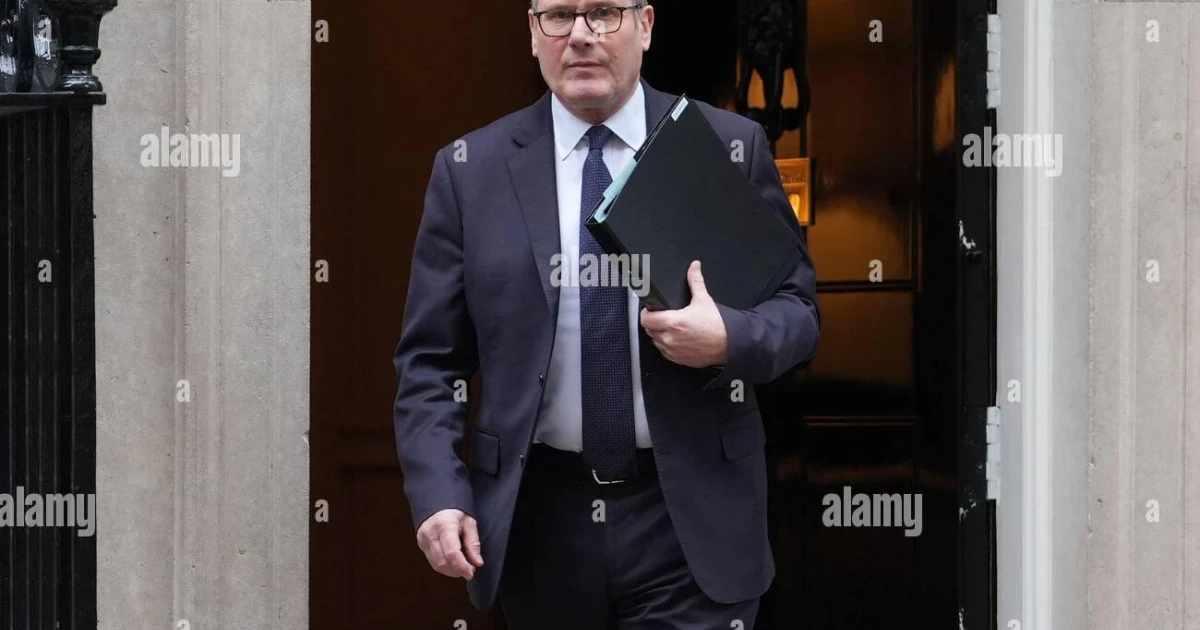
Keir Starmer’s resignation hands Britain to a caretaker government and throws Labour into a fast-moving leadership race that could end with a new prime minister by September. The move came after months of pressure from Labour MPs, weak polling and heavy local-election losses, and it immediately raised questions about continuity on the economy, immigration and foreign policy in one of Washington’s closest allies.
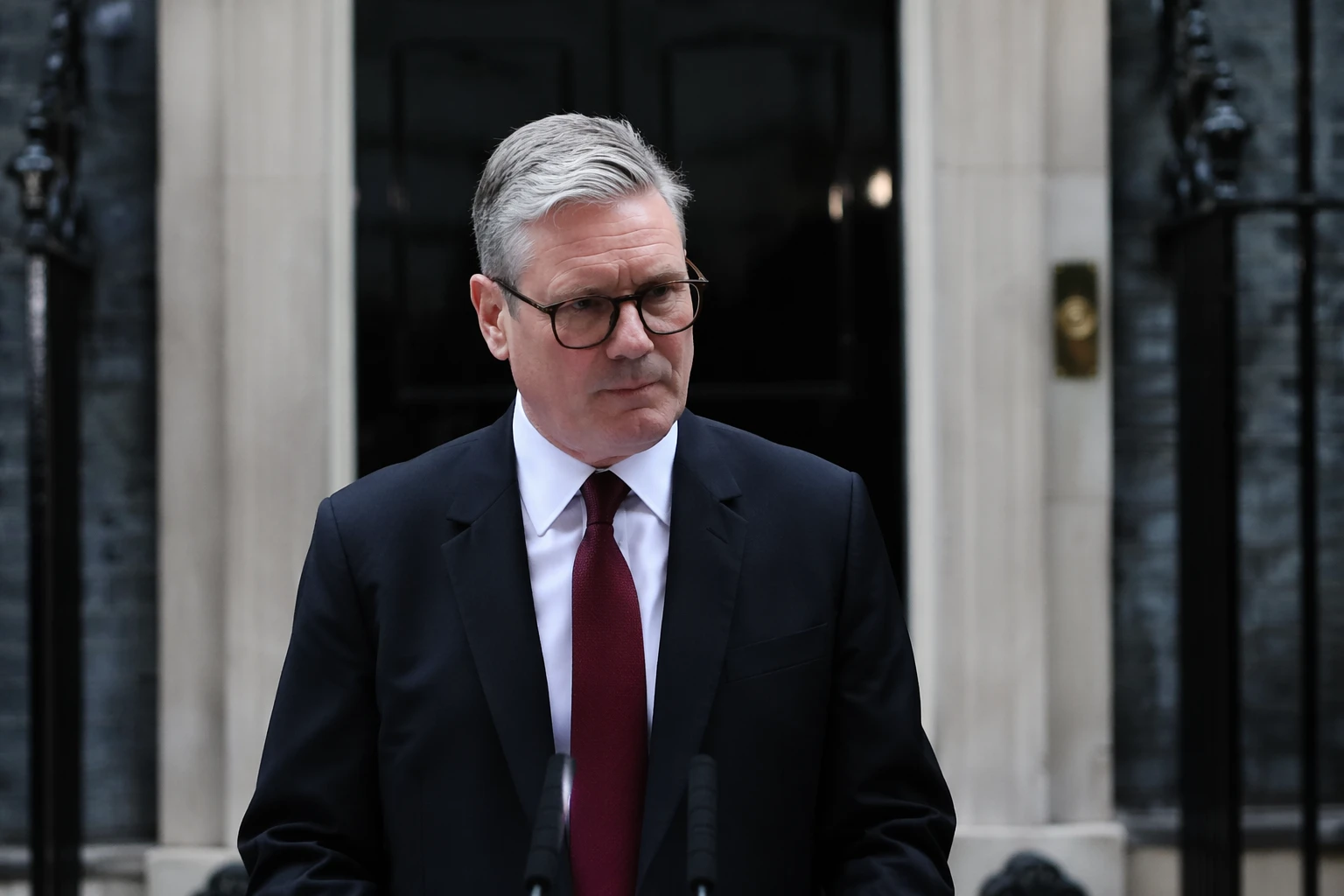
Starmer announced his departure outside 10 Downing Street and said he would remain as caretaker prime minister until Labour chooses a successor. He asked the Labour Party’s National Executive Committee to open nominations on July 9, setting up a compressed contest that could put a new leader in office by the time Parliament returns from summer recess on September 1.
The resignation marks a sharp political rupture for Britain, which would be on course for its seventh prime minister in 10 years if the transition is completed. That pace of turnover has made government in London far less predictable than in earlier decades, a problem with direct consequences for U.S. policymakers who rely on Britain as a security partner, a trade ally and a central voice in European diplomacy.
Starmer’s exit followed a broad loss of support inside his own party. Reports pointed to bruising local-election results earlier in 2026, dwindling poll numbers and a growing rebellion among Labour MPs. Starmer said he had heard the parliamentary party’s verdict and accepted it with good grace, while also concluding that he was not best placed to lead Labour into the next general election.
Attention now turns to Andy Burnham, the outgoing Greater Manchester mayor and former cabinet minister, who emerged as the leading successor figure and said he would enter any leadership contest. Reports said Burnham had recently returned to Westminster through a special election, reflecting the reality that Britain’s prime ministers are usually drawn from the House of Commons.
Markets greeted the transition cautiously but positively. The pound and London shares firmed in early trading, while U.K. 10-year bond yields dipped, a sign investors were reading the change as orderly rather than chaotic. Still, the next few weeks will decide whether Labour can contain the contest and protect policy on spending, immigration and Britain’s role abroad from further instability.
Sources
- [1]news.google.com
- [2]bbc.co.uk
- [3]usnews.com
- [4]cbsnews.com
- [5]abcnews.com
- [6]cnbc.com
- [7]aljazeera.com