Politics
Starmer to announce online safety curbs for teenagers
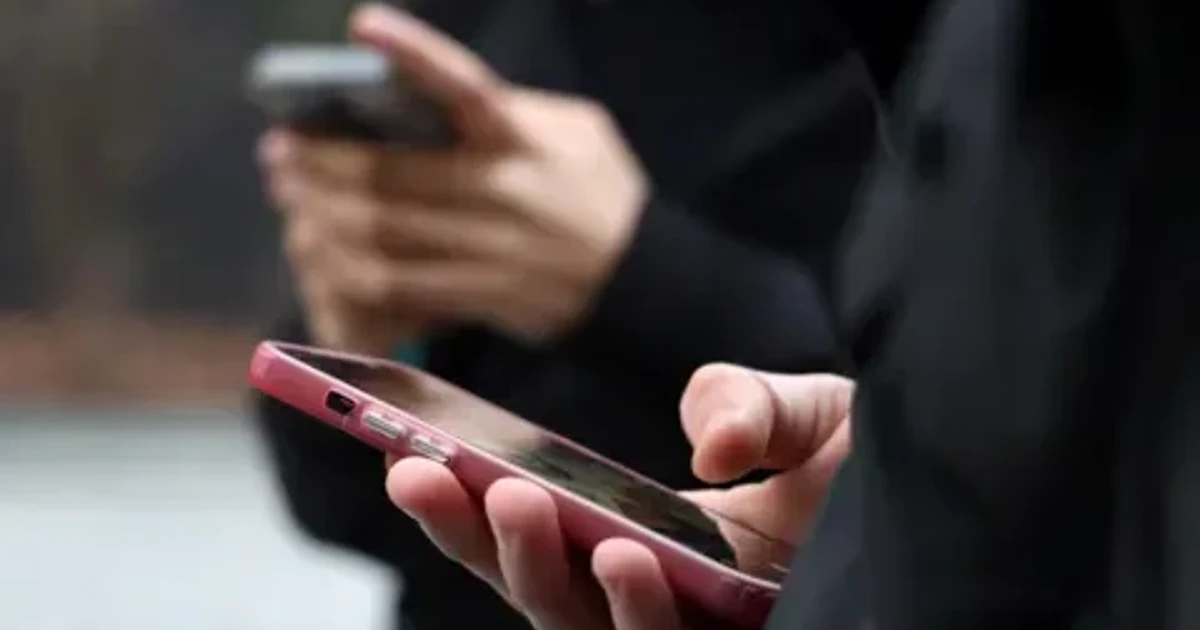
Keir Starmer is set to announce new online safety curbs for teenagers, turning months of pressure on social media firms into a test of whether platforms will be forced to change how they design products for children. Culture Secretary Lisa Nandy said tech companies have had “more than enough time to get their house in order”, as the government prepares to act on what it sees as a widening safety gap for under-16s.
The plan is expected to target “harmful” social media for children under 16 while stopping short of a blanket ban, leaving room for some safer forms of social media. Reporting ahead of the announcement has suggested the package could also include curbs on addictive features and possibly app curfews, moves that would affect the mechanics of recommendations, scrolling and late-night access that critics say keep children online for longer than parents intend.
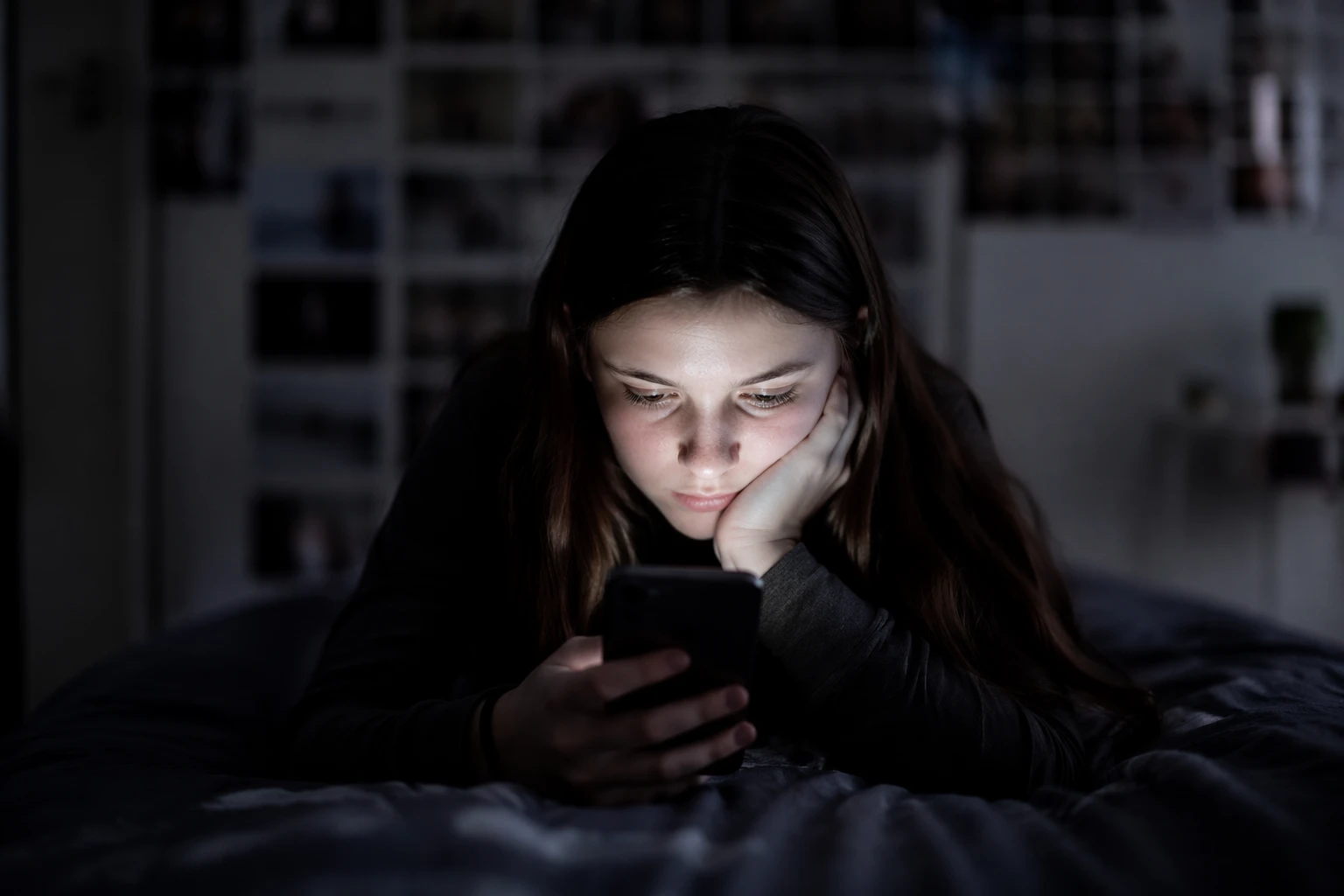
The enforcement backdrop is already in place. New laws under the Online Safety Act came into force on 25 July 2025, and Ofcom said from that date that all sites and apps allowing pornography must have strong age checks in place. The regulator’s children’s duties also require platforms to prevent children from encountering primary priority harmful content, making age verification and content ranking central to how sites are expected to operate.
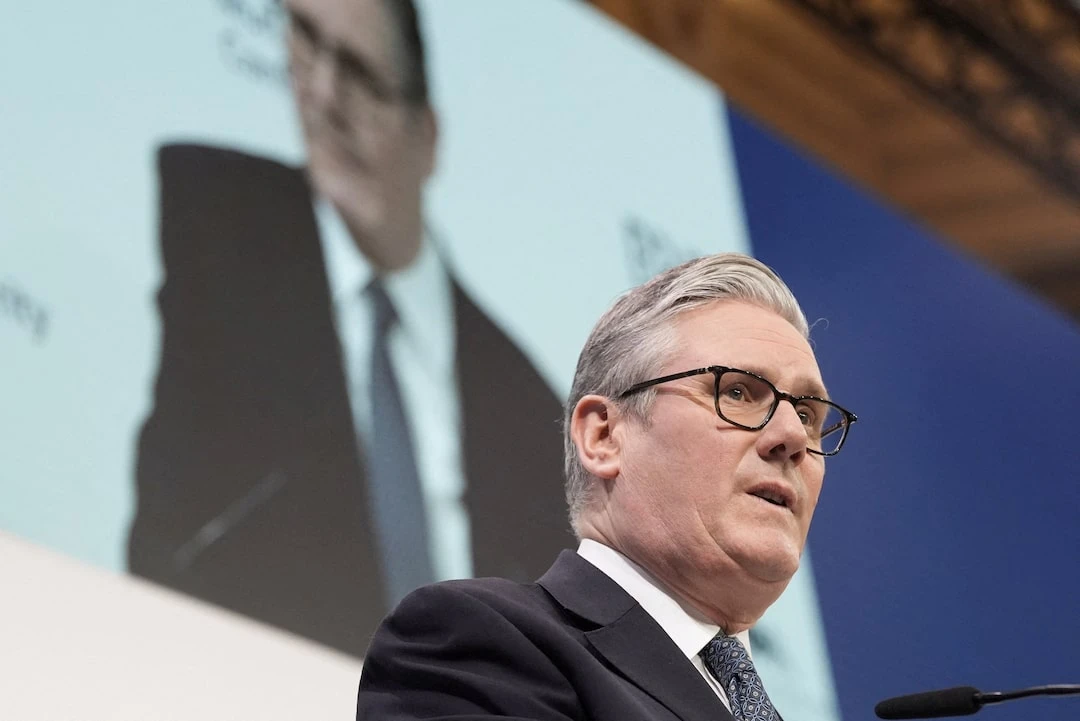
The government has spent months building the case for tougher action. A consultation on children’s digital wellbeing opened on 2 March 2026 and covered social media age bans, curfews, AI chatbots and gaming. On 15 April 2026, Starmer brought senior leaders from Meta, Snap, Google, TikTok and X to Downing Street, where he pressed them on children’s safety online. Officials have framed the coming announcement as a direct response to parents’ concerns, with the Prime Minister’s Office saying the government will give parents and carers greater clarity and support.

The move also comes amid a broader international shift. Australia introduced an under-16 social media ban in December 2025, and Canada proposed legislation on 10 June 2026 to ban social media for children under 16, with exemptions for platforms that meet certain safety standards. British ministers have pointed to those examples as the debate has hardened around whether platforms should be allowed to keep funnelling minors into feeds built to maximise attention.
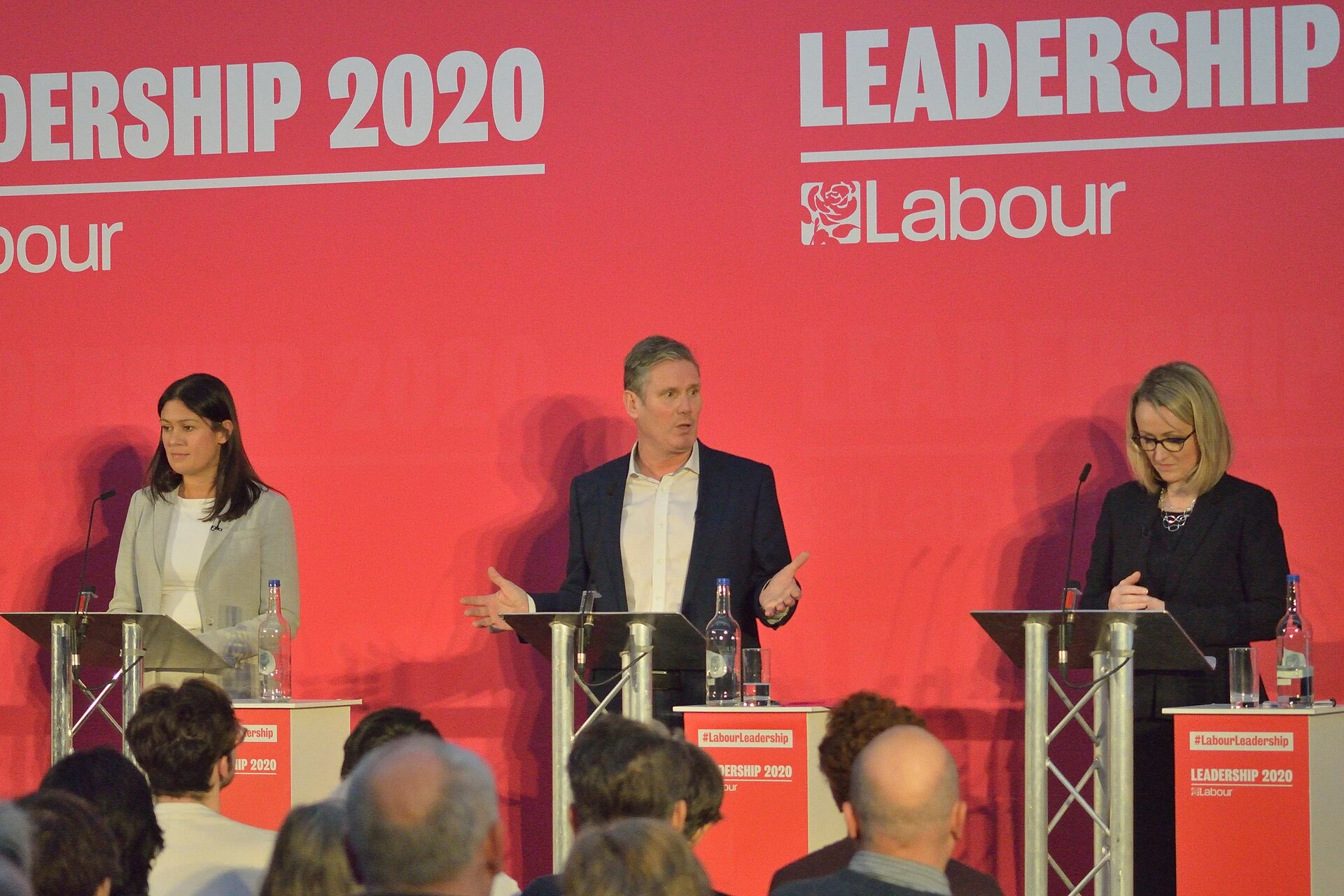
Child-safety advocates remain split over how far the state should go. Some warn a blanket ban could backfire, while the Children’s Commissioner for England, Dame Rachel de Souza, has argued children need to be kept safe online and said her polling found 25% of children aged eight to 15 spent two or three hours a day on an internet-enabled device, while 23% spent more than four hours a day. For ministers, that is the political and practical challenge: not just announcing new rules, but forcing platforms to change the design choices that keep children logged on.
Sources
- [1]bbc.com
- [2]gov.uk
- [3]ofcom.org.uk
- [4]childrenscommissioner.gov.uk
- [5]reuters.com