Politics
Starmer to resign as Labour seeks reboot amid Burnham rise
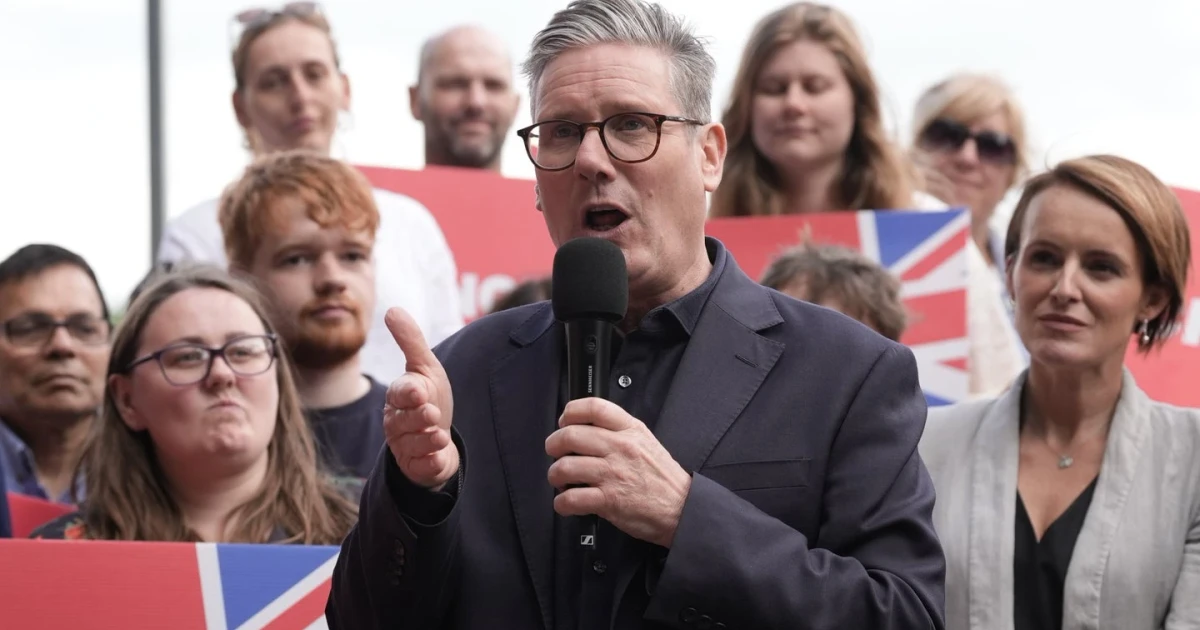
Keir Starmer's resignation has thrown Labour back into the central question that has shadowed the party for years: whether it can turn electoral power into a durable governing story. Andy Burnham, the former health secretary who lost the 2010 leadership contest to Ed Miliband, has moved to the center of that debate as Labour weighs a reboot built around public services, tax and regional trust.
Burnham's appeal rests on old Labour credentials and a sharper economic argument. He served as health secretary in the last government, then contested the leadership when Gordon Brown stood down in 2010. More recently, BBC coverage quoted him saying Labour had been "too timid" on tax and argued that further rises should be considered to cut the deficit, a stance that could matter if the party now wants a clearer break with caution.
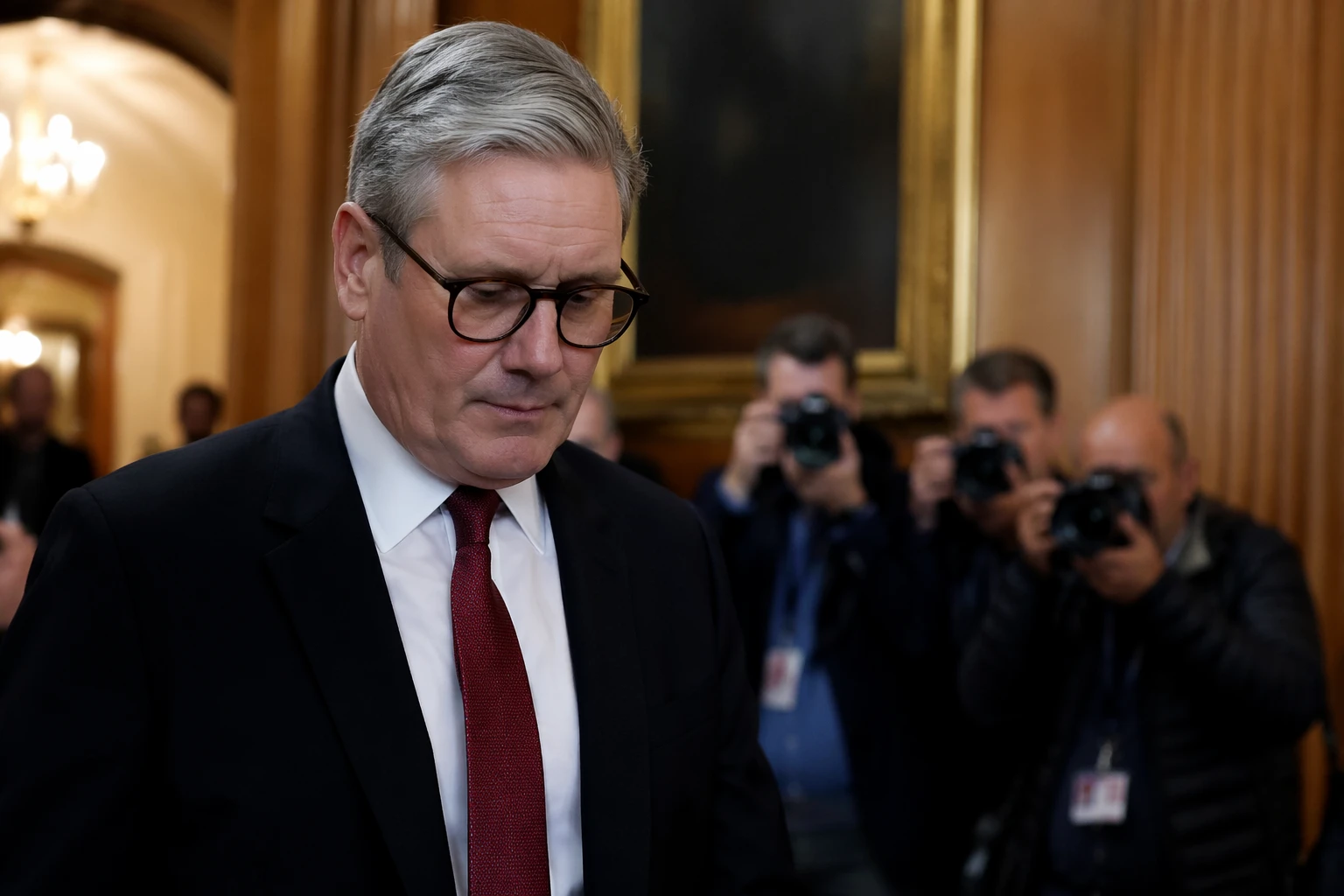
That debate is not new for Labour. After the 2015 election wipeout in Scotland, Jim Murphy said he would step aside so a successor could be in place by the summer, underscoring how quickly leadership authority can collapse after a bruising result. BBC reaction coverage of Starmer's own Labour leadership win in 2020 showed how heavily the party's future has been judged on rebuilding after defeat and factional conflict, with expectations split between renewal and another round of infighting.
The regional politics behind the crisis are just as important. In Sheffield Hallam, Jared O'Mara's resignation after serving as an independent MP became another reminder of how fast political legitimacy can erode in South Yorkshire. Burnham's public profile has also been shaped by local service politics: he joined Dan Jarvis and Leeds Council leader Judith Blake in criticizing Northern's ageing Pacer trains, a dispute that captured a wider frustration over transport, investment and who Labour really speaks for in the North.
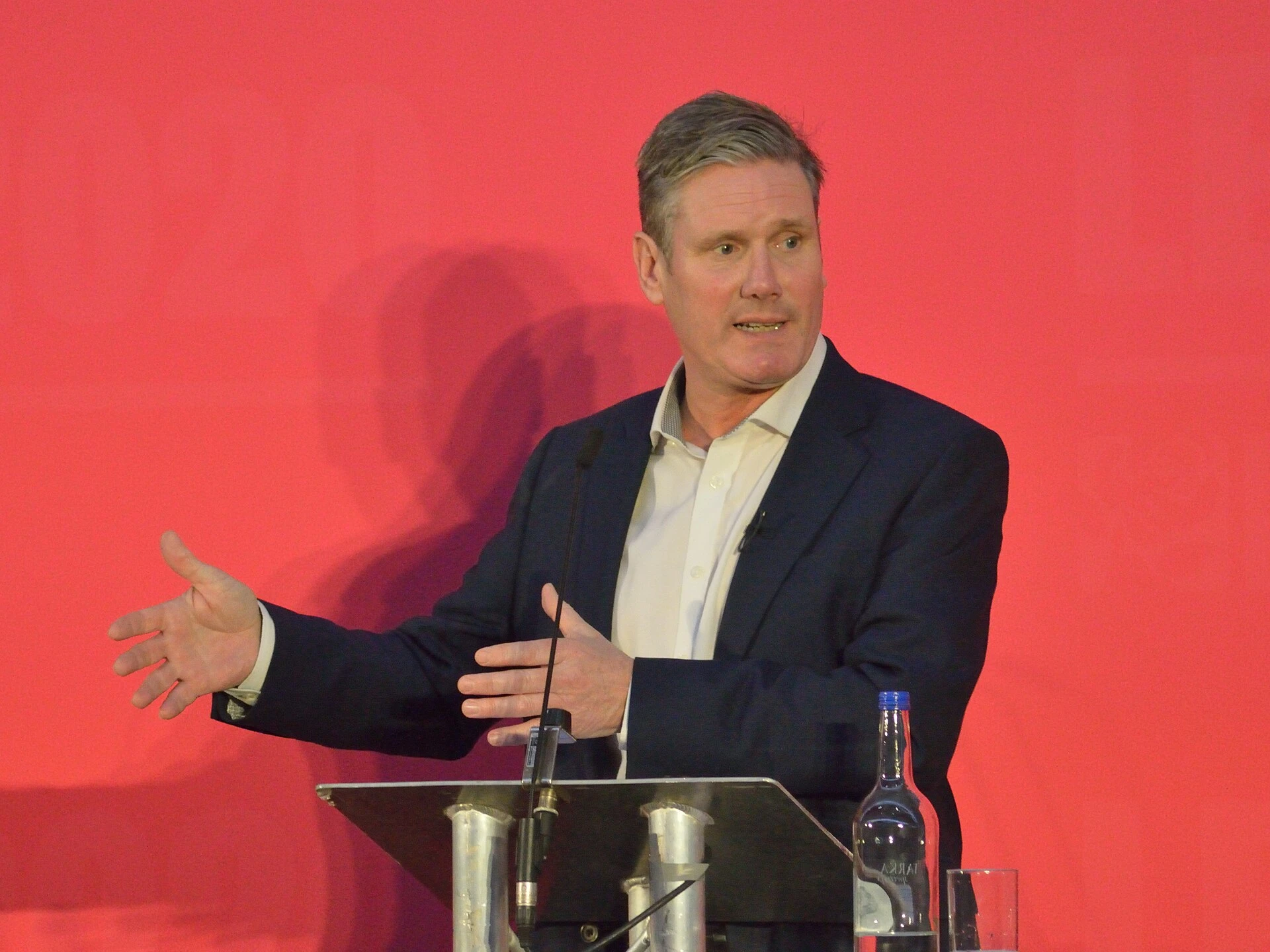
If Burnham inherits the party, Labour's policy direction would likely shift toward a blunter case for tax, spending and state capacity, especially on health and infrastructure. That would amount to more than a change of leader. It would be an effort to stop Labour repeating the cycle of internal collapse that has followed past defeats and to show Britain a steadier alternative at a volatile moment.
Sources
- [1]news.google.com
- [2]bbc.com
- [3]apnews.com