World
Starmer to unveil £37 billion European missile plan at NATO summit
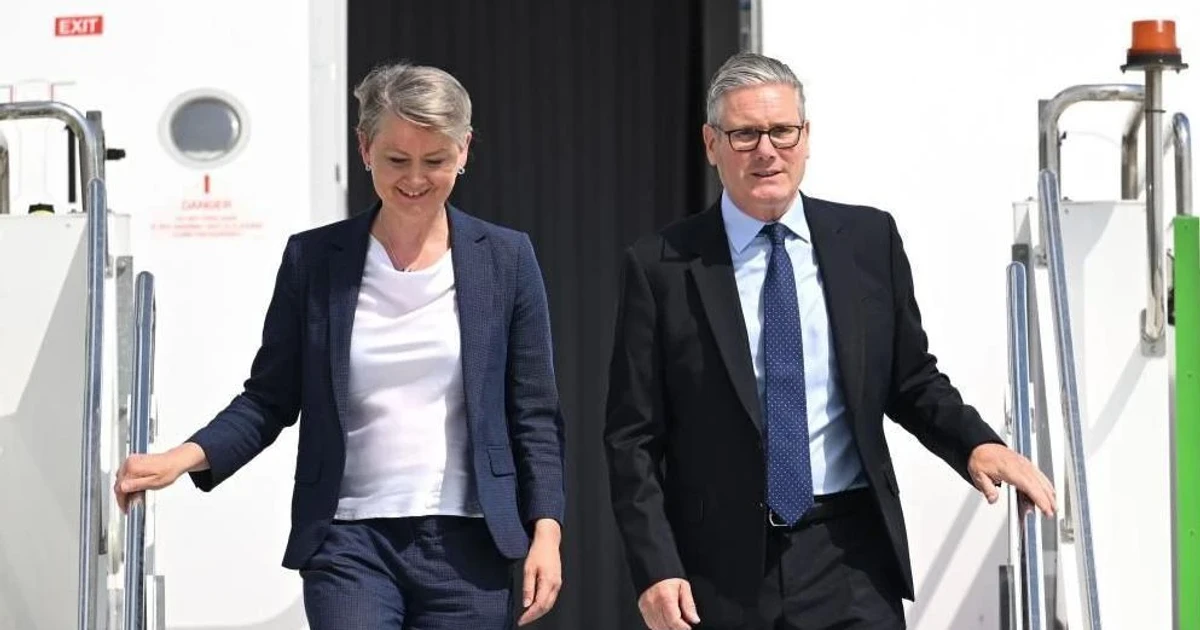
Sir Keir Starmer was expected to unveil a £37 billion, about $50 billion, long-range missile programme at the NATO summit in Ankara, where around a dozen leaders gathered to focus on defence investment, industrial production and support for Ukraine. The package is meant to buy more than a headline commitment: a missile force able to strike targets up to 2,000km away with pinpoint accuracy, while showing whether Europe can move faster on rearmament.
The plan is being cast as a cluster of linked projects rather than a single new weapon. A UK-Germany long-range missile effort is part of it, alongside Stratus missile work with France and Italy, with Baltic nations also expected to take part. The shape of the package matters as much as the size of the cheque, because it points to a wider European attempt to share costs, industrial capacity and technical risk across several governments instead of waiting for one state to carry the burden alone.

The timing was no accident. NATO said the 7-8 July 2026 summit was designed to turn allied commitments into concrete results, and its NATO Summit Defence Industry Forum was built to showcase new production and capability projects. The gathering in Türkiye came as European leaders continued to worry about the strength of US commitment to NATO and as Donald Trump pressed allies to spend more on defence.
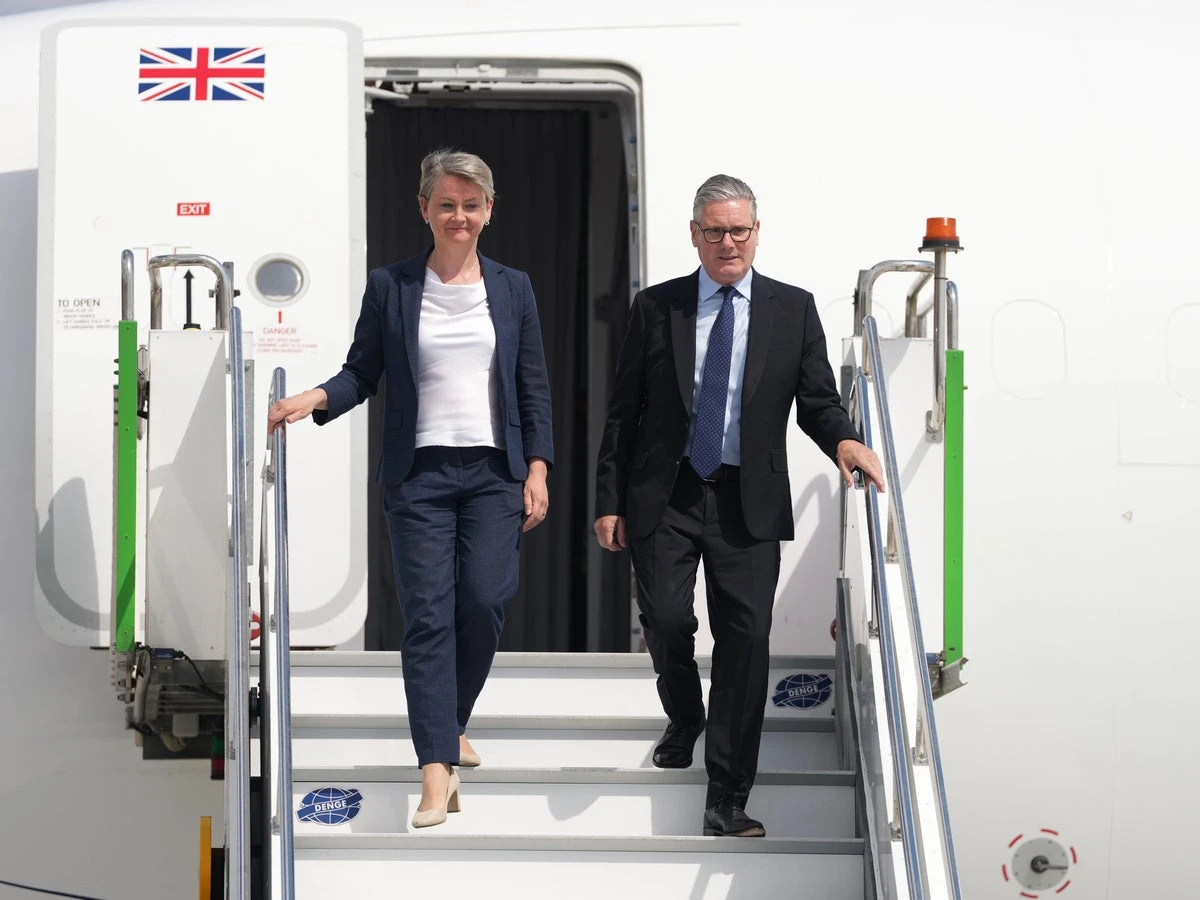
Britain has already been moving in that direction. On 20 February 2026, the UK, France, Germany, Italy and Poland launched the LEAP initiative to develop low-cost air-defence weapons, with its first project due by 2027. In February, the UK said it was spending more than £400 million this financial year on hypersonic and long-range weapons with European allies, and said the Deep Precision Strike programme with Germany would have a range of more than 2,000km and enter service in the 2030s.

The wider NATO numbers underlined the scale of the shift. NATO said European allies and Canada increased core defence investment by $139 billion in 2025, while some allies were already on course to reach the 5% target in 2026. Reuters reported that NATO leaders were set to back an ironclad commitment to collective defence under Article 5 and pledge €70 billion in military assistance to Ukraine for 2026, with at least equivalent support in 2027.
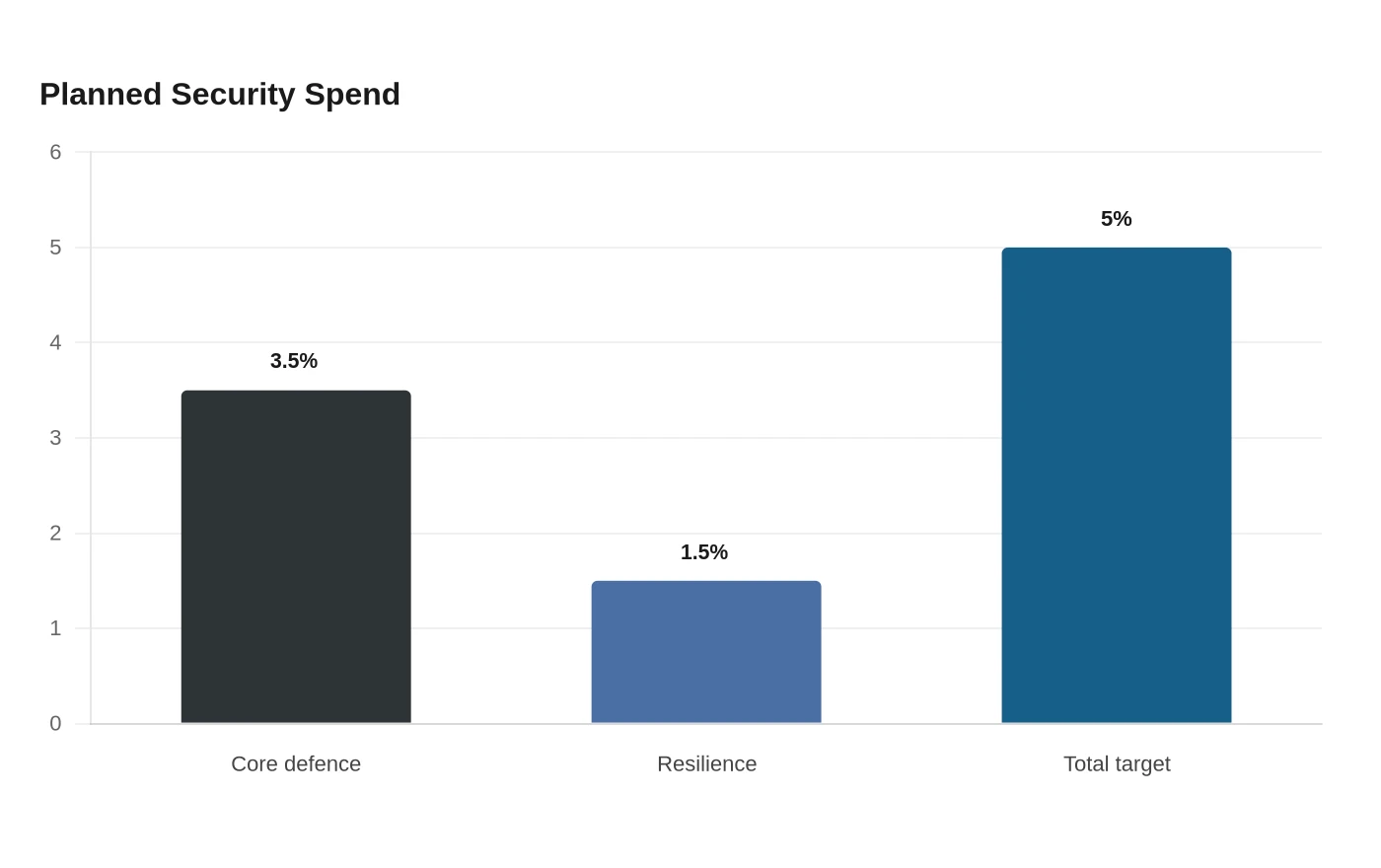
For the UK, the missile package fitted a broader NATO-first posture reinforced by the Strategic Defence Review and a string of defence-integration deals with European partners. The government has said it expects to spend 5% of GDP on national security by the parliament after next, split between 3.5% for core defence and 1.5% for resilience and security by 2035.
Sources
- [1]bbc.co.uk
- [2]nato.int
- [3]uk.news.yahoo.com
- [4]gov.uk
- [5]reuters.com