Politics
Starmer weighs changes to electric vehicle mandate amid industry backlash
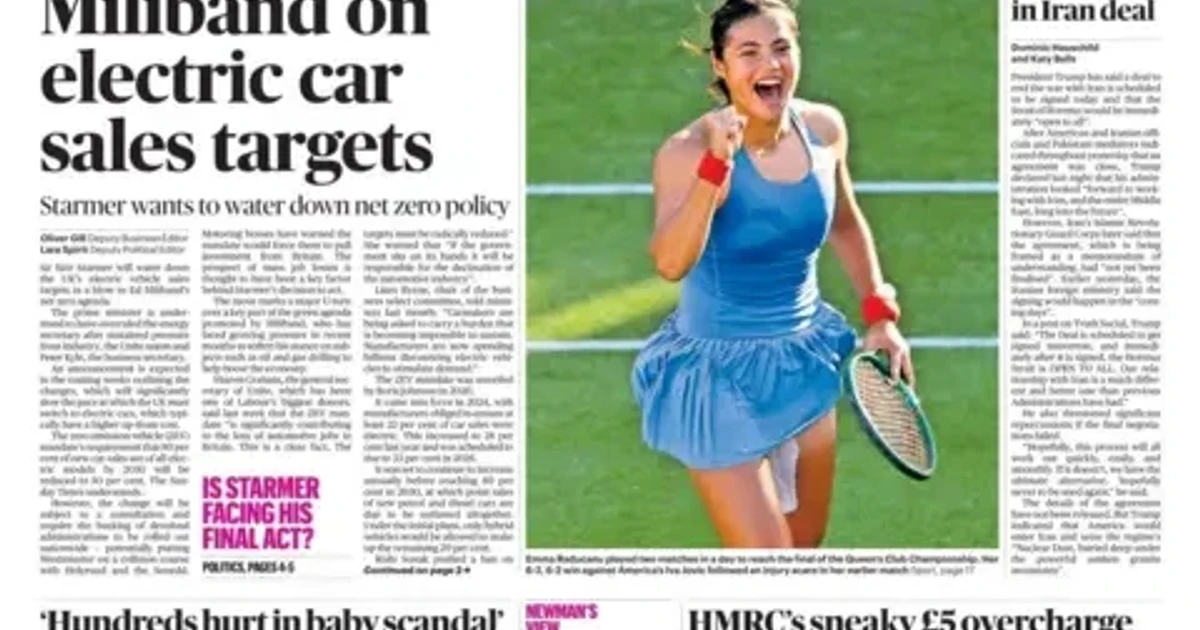
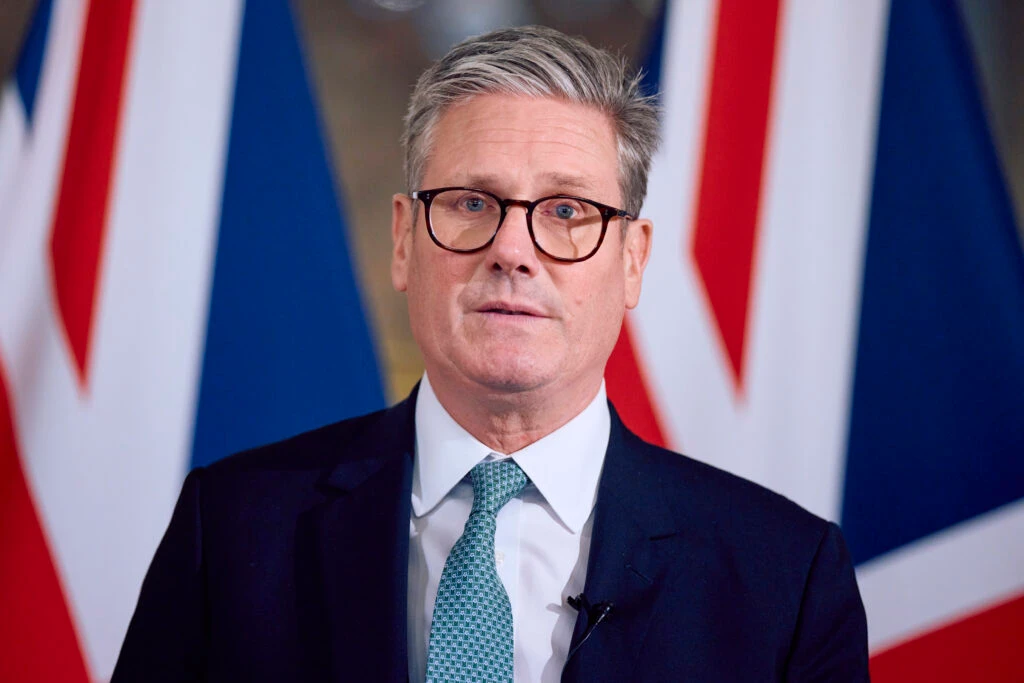
Keir Starmer was weighing changes to the electric vehicle mandate as the government faced a sharper backlash from manufacturers who say the policy is moving faster than the market can bear. The dispute now goes to the heart of Labour’s climate strategy: whether the prime minister is tightening the screws on industry to protect a target, or retreating from a timetable that already looks harder to deliver in practice.
The Zero Emission Vehicle mandate is the legal framework that sets annual sales targets for carmakers in Great Britain. It requires 80% of new cars and 70% of new vans to be zero emission by 2030, rising to 100% by 2035. The rule became law on 3 January 2024, and ministers later altered it on 6 April 2025, keeping the 2030 phase-out date for new petrol and diesel car sales while allowing hybrids until 2035, exempting small manufacturers and giving firms more flexibility on how to comply. That package also included £2.3 billion for zero-emission vehicle manufacturing.

Ministers have presented the policy as a balance of pressure and support. The government said more than 381,000 electric cars were sold in the UK last year, and that manufacturers had committed over £20 billion to UK vehicle manufacturing since the mandate was announced. But the latest row has been driven by a simple question: whether the numbers add up.
On 4 June, the Society of Motor Manufacturers and Traders said Ed Miliband’s latest carbon budget was not credible because it implied EV sales would have to triple in just three years. The group said electric cars made up 24% of new car sales in the first five months of 2026, below the government’s 33% target for this year, and argued the carbon budget relied on an assumption that 95% of sales would be electric by 2030. Mike Hawes, the SMMT chief executive, said a review was urgent and warned about lost competitiveness and deindustrialisation.
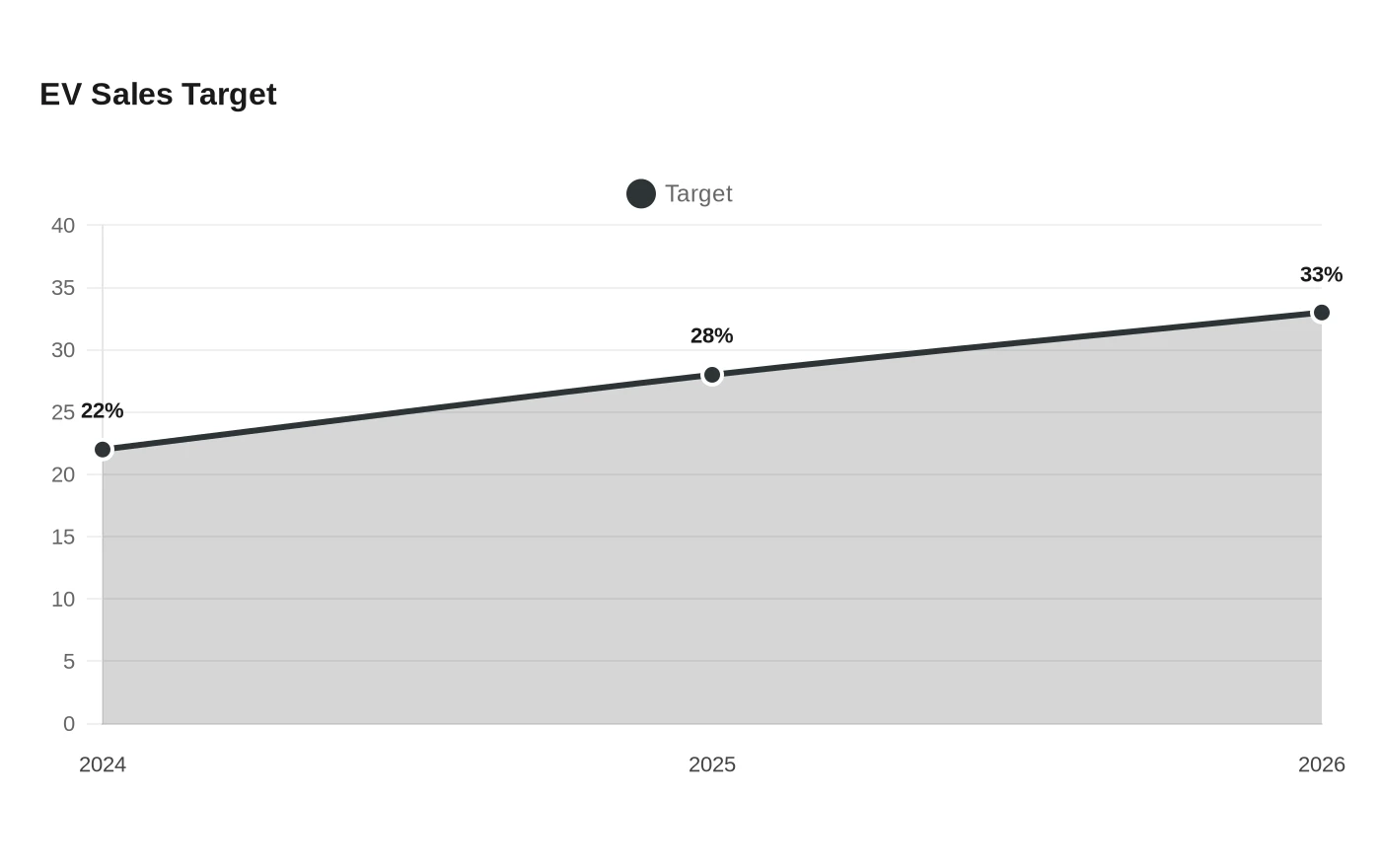
The pressure on ministers has been building since March, when Sky News reported that the government was reviewing the mandate after UK vehicle production fell to its lowest level since 1952 in 2025. That reporting said the target stood at 22% in 2024, 28% in 2025 and 33% in 2026, with a planned review due by early 2027. It also noted that one in four new cars sold in 2025 was zero emission, yet production of battery-electric, plug-in hybrid and hybrid cars fell 3% in February 2026 to 26,629 units.
For Starmer, the choice is not just about cars. Any change would reshape the costs facing drivers, the investment plans of automakers and the credibility of the UK’s emissions timetable. If the mandate is softened again, it will look like a tactical override. If it stands, ministers will be asking an anxious industry to absorb a transition whose politics are becoming harder than its legislation.
Sources
- [1]bbc.com
- [2]gov.uk
- [3]telegraph.co.uk
- [4]news.sky.com