Entertainment
Stars of The Agency discuss espionage, AI and double-life toll
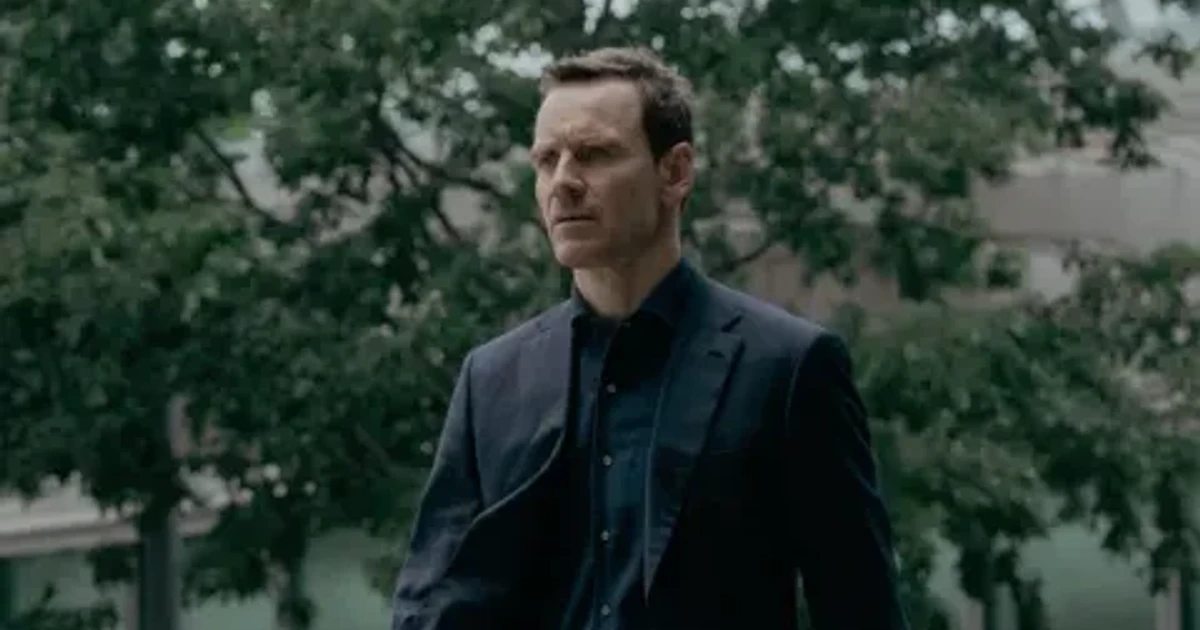
The Agency will return Sunday with a second season built around betrayal, surveillance and the cost of living under a false name. The Paramount+ thriller will release all 10 episodes on premiere day, after the service said the first season drew 5.1 million cross-platform viewers globally in its opening weekend.
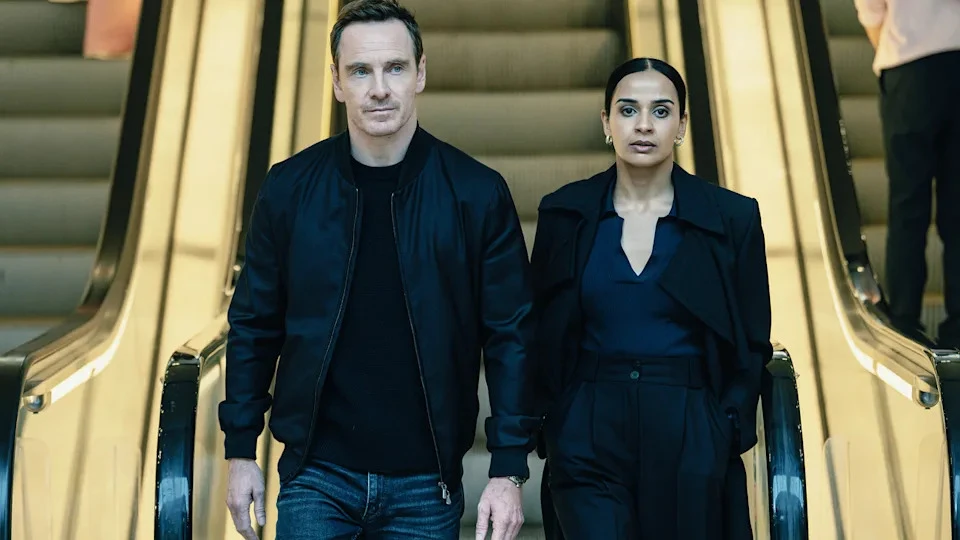
Michael Fassbender leads the cast again as Martian, alongside Richard Gere, Jodie Turner-Smith, Jeffrey Wright and Katherine Waterston. The series, previously known as The Agency: Central Intelligence, is based on the French drama The Bureau, which aired in France from 2015 to 2020 and followed agents of the DGSE as they worked for years under deep-cover identities.
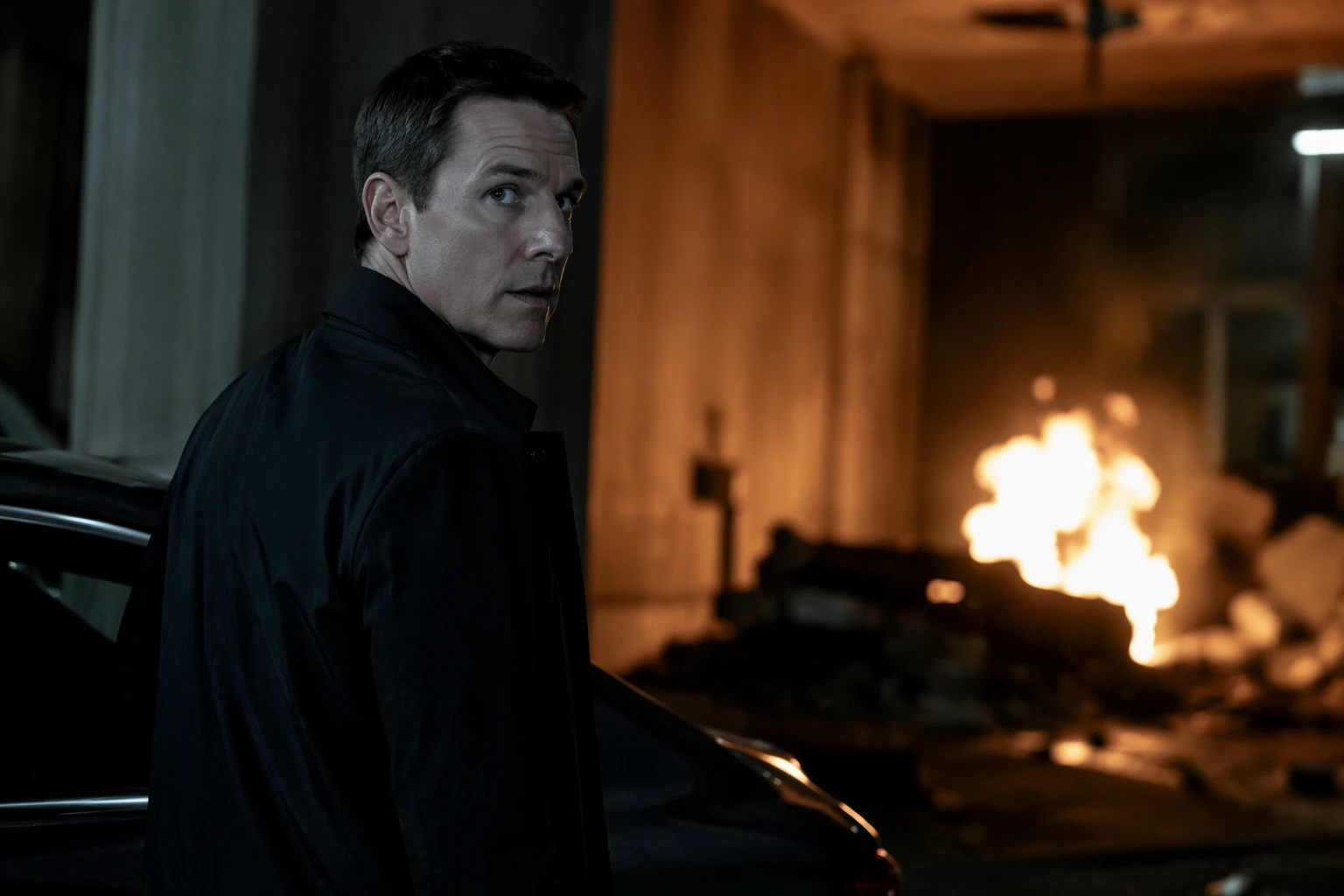
Season two raises the pressure sharply. Paramount+ describes Martian as betrayed, compromised and haunted by the woman he could not save, while a mole hunt drives London Station into chaos. The season’s covert conflicts spread from Tehran to Africa, widening the stakes beyond one intelligence bureau and into a larger web of compromised loyalties.
Fassbender said the show has always leaned toward realism rather than spectacle, with more focus on isolation, loneliness and quiet anxiety than on explosions or gadgets. He said the new season will have more action than the first, but the emotional burden remains the point: Martian was once idealistic and hopeful, only to have his moral compass eroded by years of undercover work and the sacrifices it demands.
That strain gives The Agency a relevance beyond espionage fandom. Its fictional operatives spend years inhabiting lies, and Fassbender’s warning about the internet lands in the same register. He said trust has changed because people are confronted by so many stories and theories that it is hard to decipher what is true, and he said he has been caught out by misinformation online, which his wife, Alicia Vikander, spotted.
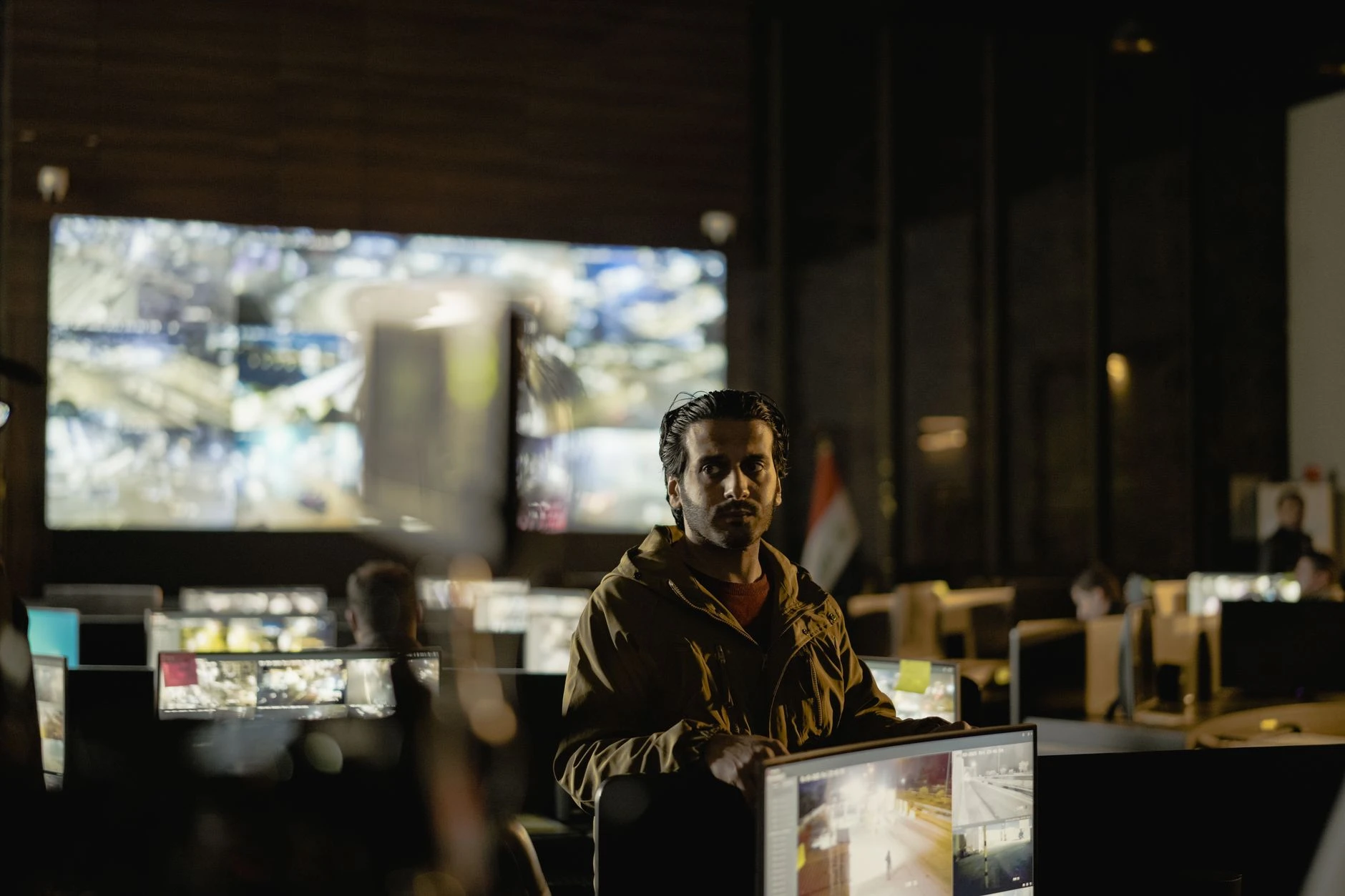
In that sense, the series lands amid a broader collapse in confidence, where fake content, manipulated images and fast-moving falsehoods make ordinary judgment harder. The Agency uses spies and doubles as its engine, but its sharper message is familiar enough: once trust is exhausted, every screen becomes a potential deception and every version of the truth starts to look provisional.
Sources
- [1]bbc.com
- [2]aol.com
- [3]paramountplus.com
- [4]hollywoodreporter.com
- [5]federationstudios.com
- [6]imdb.com