Science
Starship V3 Set for Self-Inspection During Flight 12
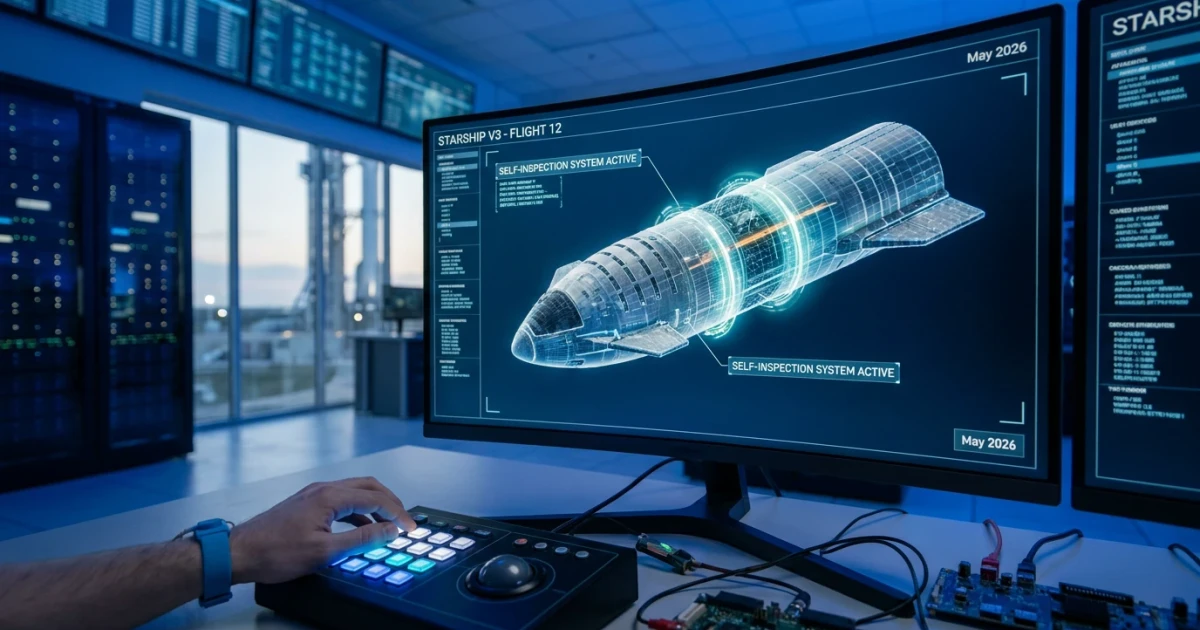
SpaceX is preparing its Starship V3 megarocket for Flight 12, scheduled for May 19, and the launch will introduce a cutting-edge capability: the rocket will inspect itself mid-flight. This move reflects a new phase in reusable launch vehicle technology, as SpaceX aims to increase reliability and refine its ambitious Mars and lunar mission plans.
Major Upgrades Unveiled for Starship V3
According to From Space, SpaceX has announced sweeping upgrades to the Starship V3 ahead of Flight 12. These enhancements represent the most significant changes since the vehicle’s debut, with a focus on improving both performance and safety. Among the key upgrades are:
- Enhanced heat shield tiles for improved thermal protection
- Advanced avionics and software to optimize guidance and navigation
- New structural features to support long-duration missions
- Internal cameras and sensors enabling real-time self-inspection
SpaceX’s previous Starship flights have tested various aspects of reusability, but Flight 12 will be the first to integrate systems that allow the vehicle to monitor its own condition during ascent, orbital flight, and reentry. This self-inspection capability is a bold step toward ensuring mission success and rapid turnaround between launches.
Self-Inspection: A Leap for Reusability and Safety
The ability for the Starship V3 to "take a good look at itself" mid-flight is a technological milestone. Onboard cameras and sensors will continuously assess critical areas such as the heat shield, engine compartment, and structural interfaces. Real-time data will be relayed to ground controllers, allowing for immediate analysis and decision-making. As SpaceX pushes toward full reusability, this approach could help identify wear and tear, damage, or anomalies before they become mission-ending issues.
This innovation aligns with SpaceX’s vision for Starship as a reliable, reusable heavy-lift vehicle capable of supporting frequent launches and complex missions, including NASA Artemis lunar landings and future Mars expeditions.
Preparing for Flight 12: Launch Details and Objectives
The upcoming Starship Integrated Flight Test 12 is set to take place on May 19. This mission will serve as a critical validation of the V3 upgrades and the new self-inspection system. SpaceX will closely monitor data from the flight, focusing on:
- Performance of heat shield improvements during reentry
- Stability and accuracy of upgraded guidance systems
- Effectiveness of real-time self-inspection across all mission phases
Flight 12 is also expected to contribute valuable insights to FAA commercial space launch records, which track outcomes and milestones for all licensed launches in the United States.
Implications for Future Missions
The Starship V3’s self-inspection technology could set a new standard for reusable spacecraft. By enabling rapid diagnostics and reducing turnaround time, SpaceX aims to accelerate the cadence of launches and support both commercial and government customers. The upgrades may also influence future Starship variants, as SpaceX continues to iterate based on flight data and operational experience.
As the industry watches Flight 12, the successful demonstration of these new capabilities could reinforce SpaceX’s leadership in reusable launch systems and push the boundaries of what’s possible in space exploration. With ongoing development and testing, Starship V3 is poised to play a central role in NASA’s Artemis program and the company’s broader plans for interplanetary travel.
Looking Ahead
SpaceX’s Starship Flight 12 will not only test technical upgrades but also showcase the company’s commitment to innovation and safety. As reusable rockets become increasingly important for cost-effective access to space, the integration of self-inspection systems may soon become standard across the industry. Readers can follow mission updates and explore technical details on SpaceX’s Starship vehicle overview and official launch records for deeper context.