Business
Starter homes hit record costs as housing affordability worsens
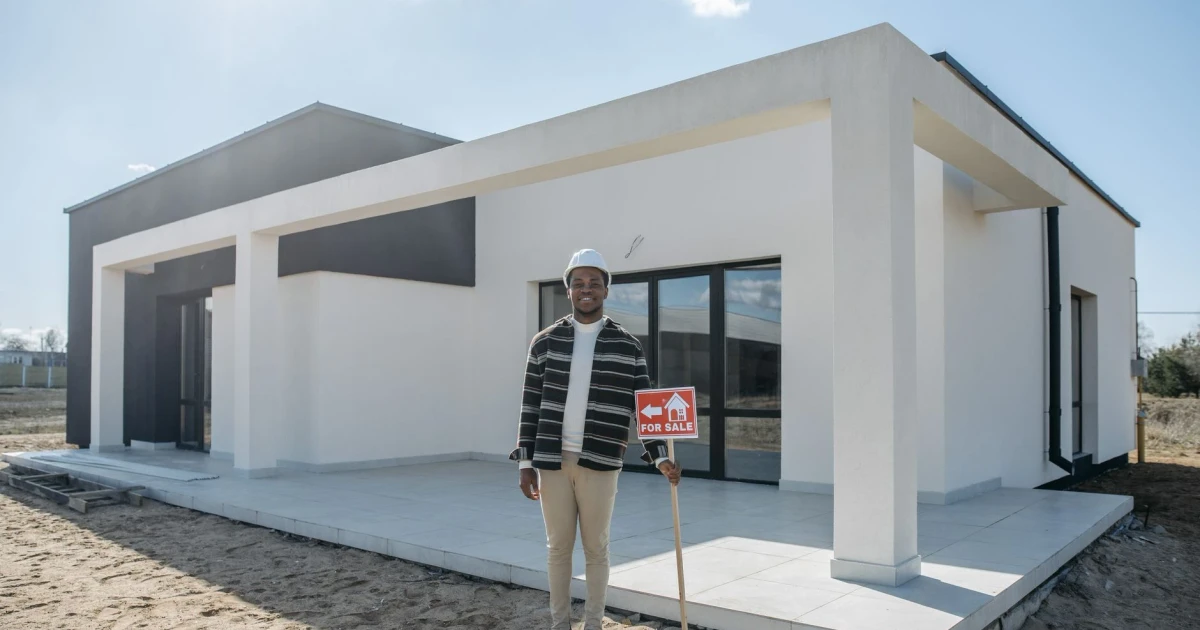
Starter homes have become so expensive, and financing so punishing, that the housing market is beginning to look frozen. A 30-year fixed mortgage averaged 6.52% in the week ending June 11, while the cost of buying the typical home kept climbing, squeezing out first-time buyers and discouraging current owners from moving.
The pressure shows up in the monthly payment. Harvard’s Joint Center for Housing Studies said payments on the median-priced home rose by $90 to $2,570 in 2024, using a typical first-time-buyer loan with a 3.5% down payment and 3% closing costs. That is happening even as the National Association of Realtors said the median existing-home price hit a June record of $435,300, up 2% from a year earlier. Pending home sales fell 0.8% in June and were down 2.8% from a year earlier, a sign that more listings alone have not been enough to pull buyers back in force.
The first-time buyer segment has weakened further. In the National Association of Realtors’ 2025 Profile of Home Buyers and Sellers, first-time buyers accounted for just 21% of all purchases, a historic low, and the median age of a first-time buyer climbed to 40, another record. That shift suggests that many households are waiting longer to buy, stretching out the period between renting and ownership as high prices and borrowing costs keep the entry level out of reach.
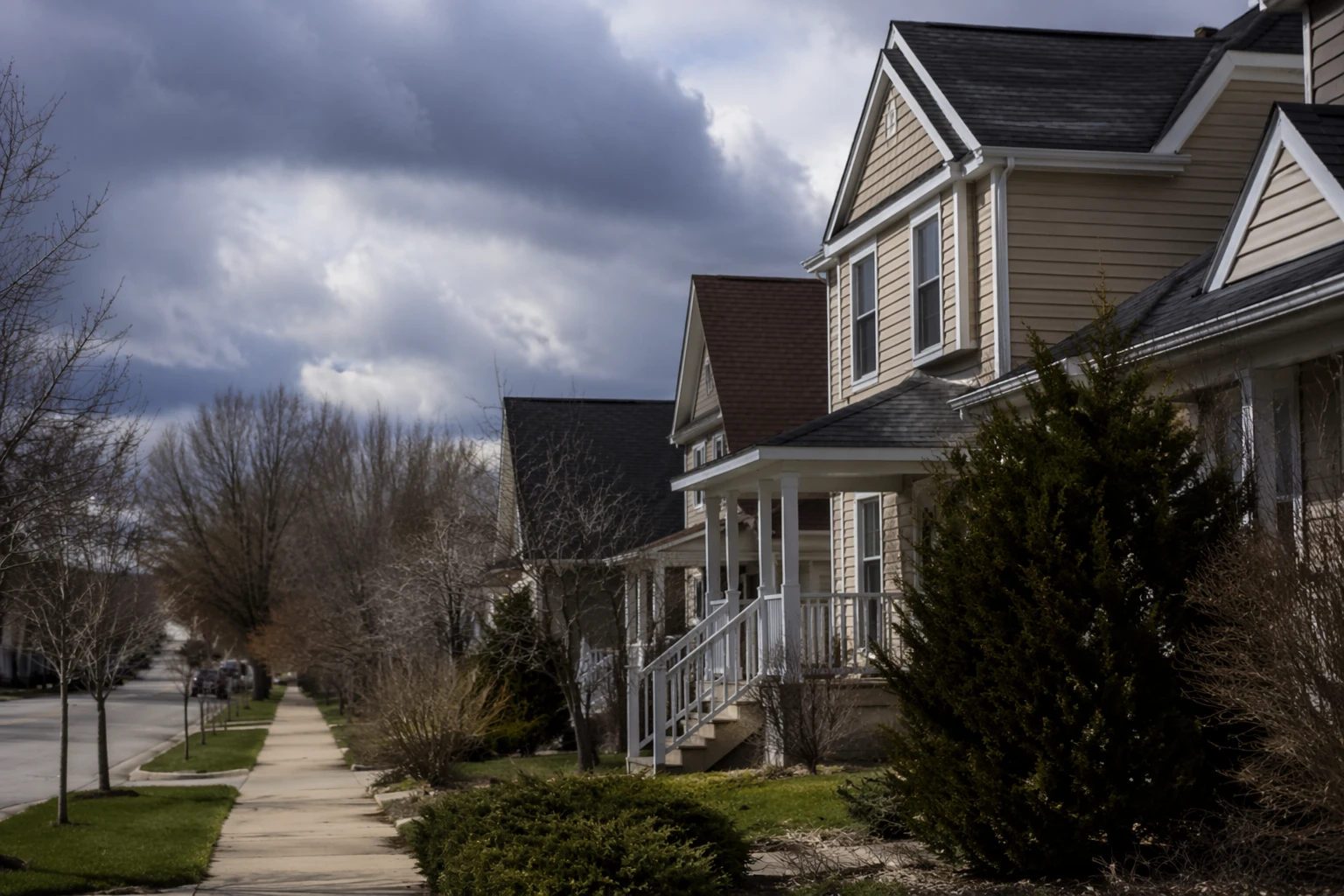
Zillow’s research shows how far starter-home costs have spread beyond the usual coastal hot spots. The typical starter home nationwide was worth about $192,514 in 2025, but 233 U.S. cities had typical starter homes priced at $1 million or more. Five years earlier, there were only 85 such cities, meaning that the count nearly tripled. The list includes markets such as San Francisco, Los Angeles, San Jose, Miami and Seattle, where even the cheapest rung on the ladder now sits far above what many households can manage.
The result is a housing market with scarce movement at both ends. Buyers cannot afford to enter, and many owners cannot justify giving up low-rate mortgages for a new loan near 7%, which keeps inventory tight and slows the next move up or across town. CNBC has estimated that about 3 million potential first-time buyers are facing that same wall, with prices still climbing and financing still expensive. Until rates retreat or prices soften, the freeze is likely to keep delaying not just purchases, but marriages, children and relocations tied to a first home.
Sources
- [1]cbsnews.com
- [2]freddiemac.com
- [3]jchs.harvard.edu
- [4]nar.realtor
- [5]zillow.com
- [6]cnbc.com