Business
Startup aims to turn toxic aluminum waste into profitable metals
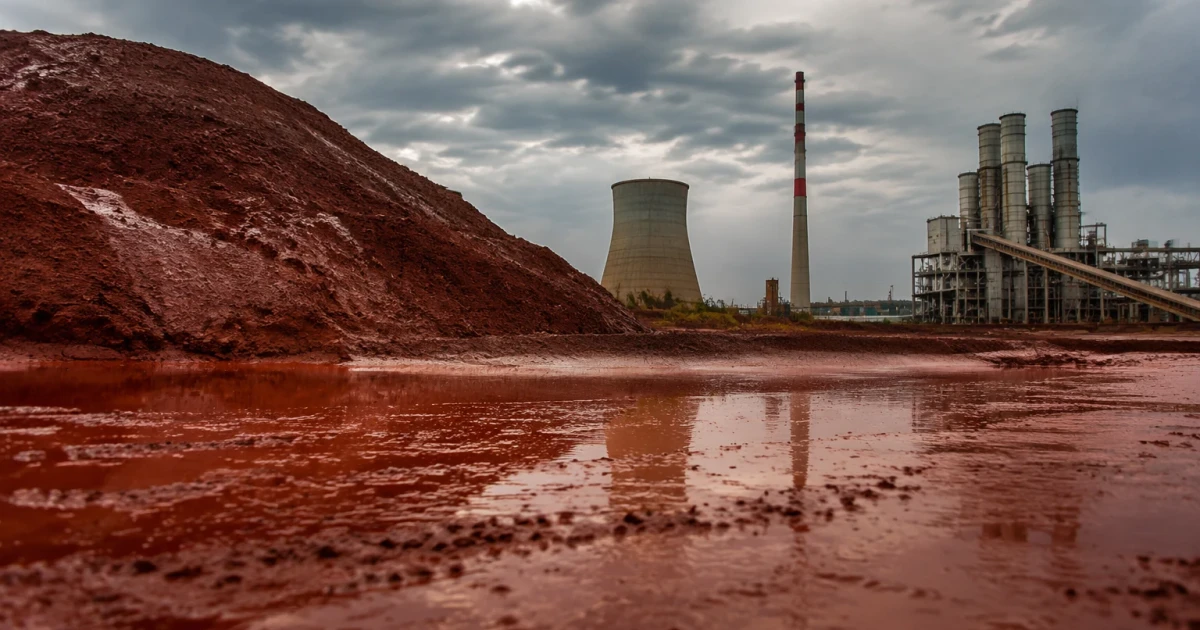
FAST Metals is betting that one of aluminum’s dirtiest leftovers can become a domestic source of valuable metals. The Stamford, Connecticut startup says its chemical process can pull metals from toxic mine tailings such as red mud, the caustic slurry left behind by the Bayer process that converts bauxite into alumina.
The scale of the waste helps explain the opportunity. A 2024 GSA Connects abstract said the Bayer process has generated about 1 to 1.5 billion tonnes of red mud every year for more than a century, leaving the industry with a massive stockpile of material that is costly to manage and potentially rich in recoverable minerals. Oak Ridge National Laboratory describes red mud residue as an industrial waste product generated during bauxite processing to extract alumina, reinforcing why the residue has become a target for cleaner processing methods.
FAST Metals says its technology combines multiple mining waste streams and uses selective leaching to produce commoditized metals and derivatives. The company’s pitch, laid out in its materials on Activate and F6S, is that industrial residues once treated as liabilities can be converted into saleable outputs, including critical minerals and rare earth elements that are increasingly important to clean energy, electronics and defense supply chains.
The startup is still young. PitchBook says FAST Metals was founded in 2024, is headquartered in Stamford and has raised $3.1 million from investors including Climate Capital and Connecticut Innovations. Yale Ventures has also featured the company’s progress in Connecticut, and Shane Sethi said in a LinkedIn post that FAST Metals placed second in the climate track at the Yale Innovation Summit.
That profile places FAST Metals inside a broader push to recover strategic minerals from waste rather than from new mines alone. ElementUSA, which was formed in 2020, has framed waste feedstocks as a U.S. source of critical minerals and rare earth elements. Pacific Northwest National Laboratory has also highlighted work on critical minerals recovery from electronic waste, while the UK Department for Business and Trade commissioned a March 2025 assessment of recycling and midstream processing capability.
For policymakers, the appeal is obvious: less waste sitting in tailings piles and more domestic material moving into supply chains that have long depended on imported ores and concentrated processing overseas. For FAST Metals, the open question is whether red mud can move beyond a promising feedstock and into a repeatable industrial process at scale.
Sources
- [1]techcrunch.com
- [2]activate.org
- [3]ventures.yale.edu
- [4]f6s.com
- [5]pitchbook.com
- [6]gsa.confex.com
- [7]beg.utexas.edu
- [8]ornl.gov
- [9]assets.publishing.service.gov.uk
- [10]pnnl.gov