Technology
Startups Tackle Coastal Challenges in South Louisiana
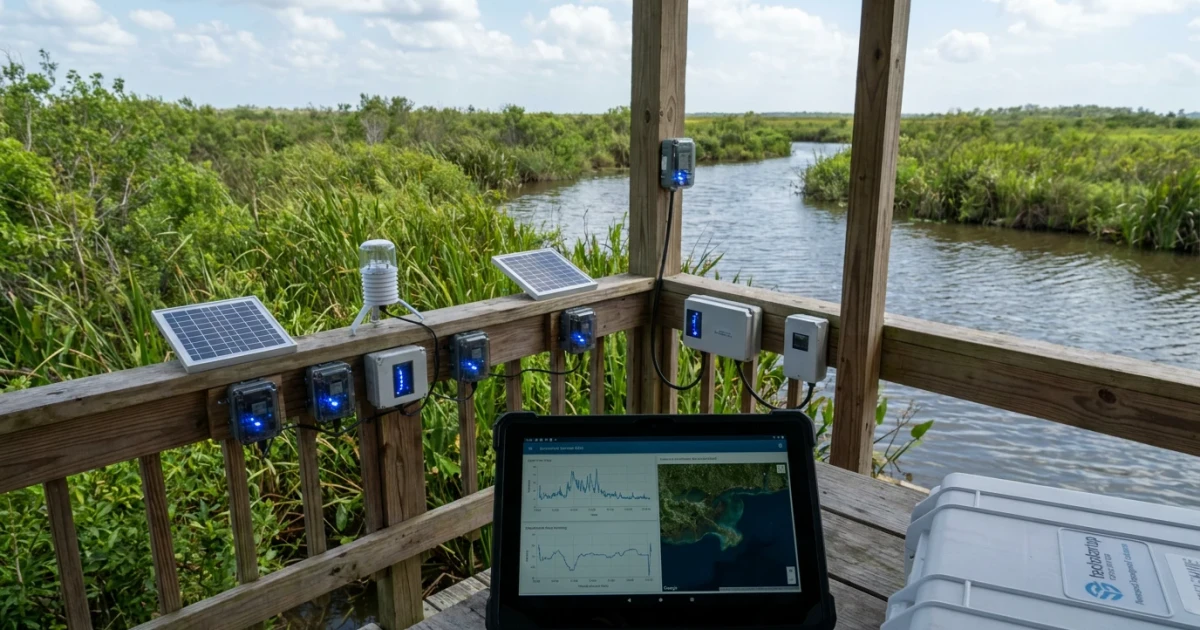
South Louisiana faces some of the most acute environmental threats in the United States, with recurring headlines warning of land loss and dire projections for the region’s future. Yet, a growing number of startups are challenging the narrative of inevitable decline, developing new technologies and solutions aimed at restoring wetlands and protecting communities from rising seas and hurricanes.
Innovation Amidst Coastal Crisis
Multiple scientific analyses, including research from the U.S. Geological Survey, confirm that South Louisiana loses the equivalent of a football field of land every 100 minutes. The Louisiana Coastal Master Plan projects billions of dollars in restoration efforts over the coming decades, but even these massive public initiatives face daunting odds. In this context, a cohort of startups is working to accelerate progress, bringing private sector agility and technical expertise to the challenge.
- According to the latest coastal loss data, Louisiana has lost nearly 2,000 square miles of land since the 1930s.
- The Coastwide Reference Monitoring System tracks wetland health, restoration efforts, and long-term trends at hundreds of sites statewide.
Startups Bring New Tools and Talent
Entrepreneurs are targeting a range of challenges, from building living shorelines with native plants to engineering artificial reefs and advancing satellite-driven monitoring. Some startups are developing bioengineered vegetation to stabilize eroding land, while others focus on real-time data analytics to predict flooding or optimize restoration investments. These ventures often partner with universities, local governments, and community groups to pilot innovative approaches before scaling up.
Although the scale of the problem is enormous, many founders see opportunity in adversity. The state’s startup ecosystem report highlights a rise in climate and coastal technology ventures, with investors taking note of both the environmental impact and the potential for broader markets as coastal risk rises globally.
Collaboration and Community Engagement
Successful coastal startups often emphasize collaboration and local input. By working with fishers, tribal nations, and parish officials, these companies ensure their solutions address real-world needs and can be adopted on the ground. For example, some projects train local residents in restoration techniques, creating jobs while building resilience.
Public-private partnerships are also key. Many startups rely on grants and contracts from state and federal agencies, as well as philanthropic support. The Restore the Mississippi River Delta project database highlights dozens of pilot programs where private innovation is tested alongside large-scale public works.
Looking Ahead: Hope and Hard Reality
While the region faces continued threats from climate change, sea level rise, and hurricanes—challenges documented in depth by the NOAA National Centers for Environmental Information—the growing presence of startups signals a refusal to accept South Louisiana’s decline as a foregone conclusion. Instead, a new generation of innovators is betting that technical ingenuity, local partnerships, and persistent effort can help turn the tide.
As the state’s restoration and protection plans evolve, the contributions of startups—whether through new materials, data-driven insights, or scalable community models—are likely to become an increasingly important part of the region’s strategy for survival and adaptation.