Technology
State attorneys general open sweeping investigation into OpenAI's practices
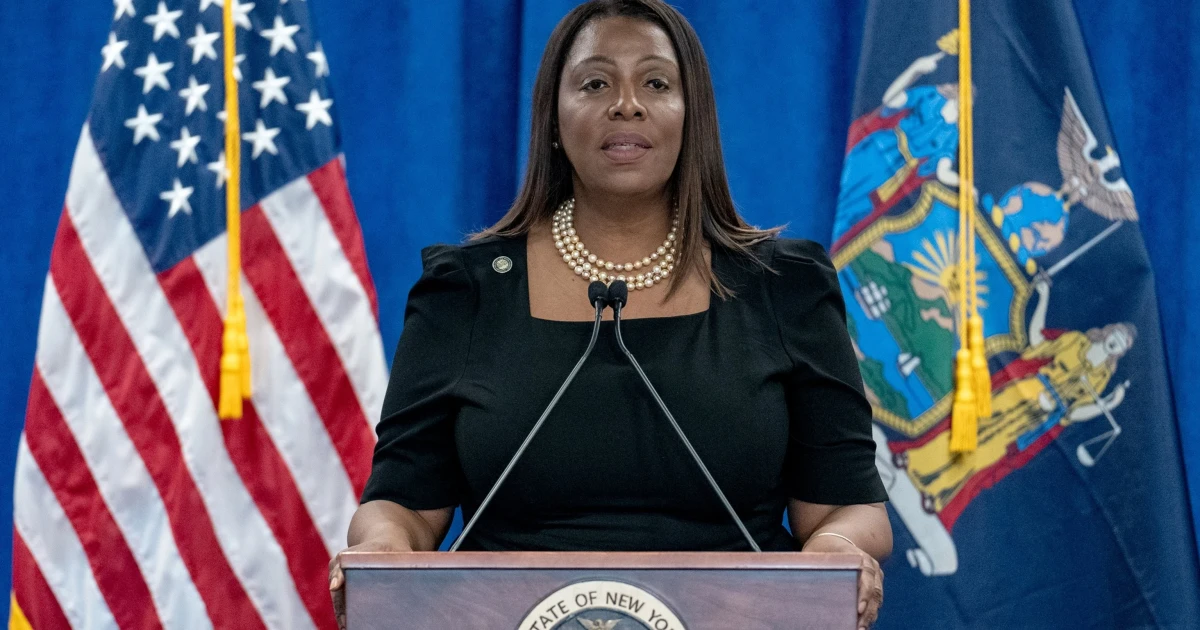
OpenAI faced a new layer of government scrutiny Friday as a coalition of state attorneys general opened a broad investigation that reached from advertising practices to health data and the company’s treatment of minors and seniors. New York Attorney General Letitia James sent the subpoena, which also sought documents on user engagement and retention, deep learning models, model sycophancy and internal company policies. The move added state-level pressure just as OpenAI was positioning itself for a possible public listing.
The company said it intended to “engage constructively” with the attorneys general and would take their concerns “seriously.” That response signaled that OpenAI is trying to contain the fallout while avoiding a direct clash with regulators who are now asking how the company designs, markets and measures the behavior of its flagship products.
The subpoena lands at a sensitive moment. OpenAI confidentially submitted a draft S-1 to the U.S. Securities and Exchange Commission on June 10, 2026, a filing that points toward a possible initial public offering. Any widening investigation could complicate that path by forcing more disclosure about product risks, data practices and the economics of user growth, all issues that investors tend to scrutinize closely when a consumer AI platform is seeking capital markets access.
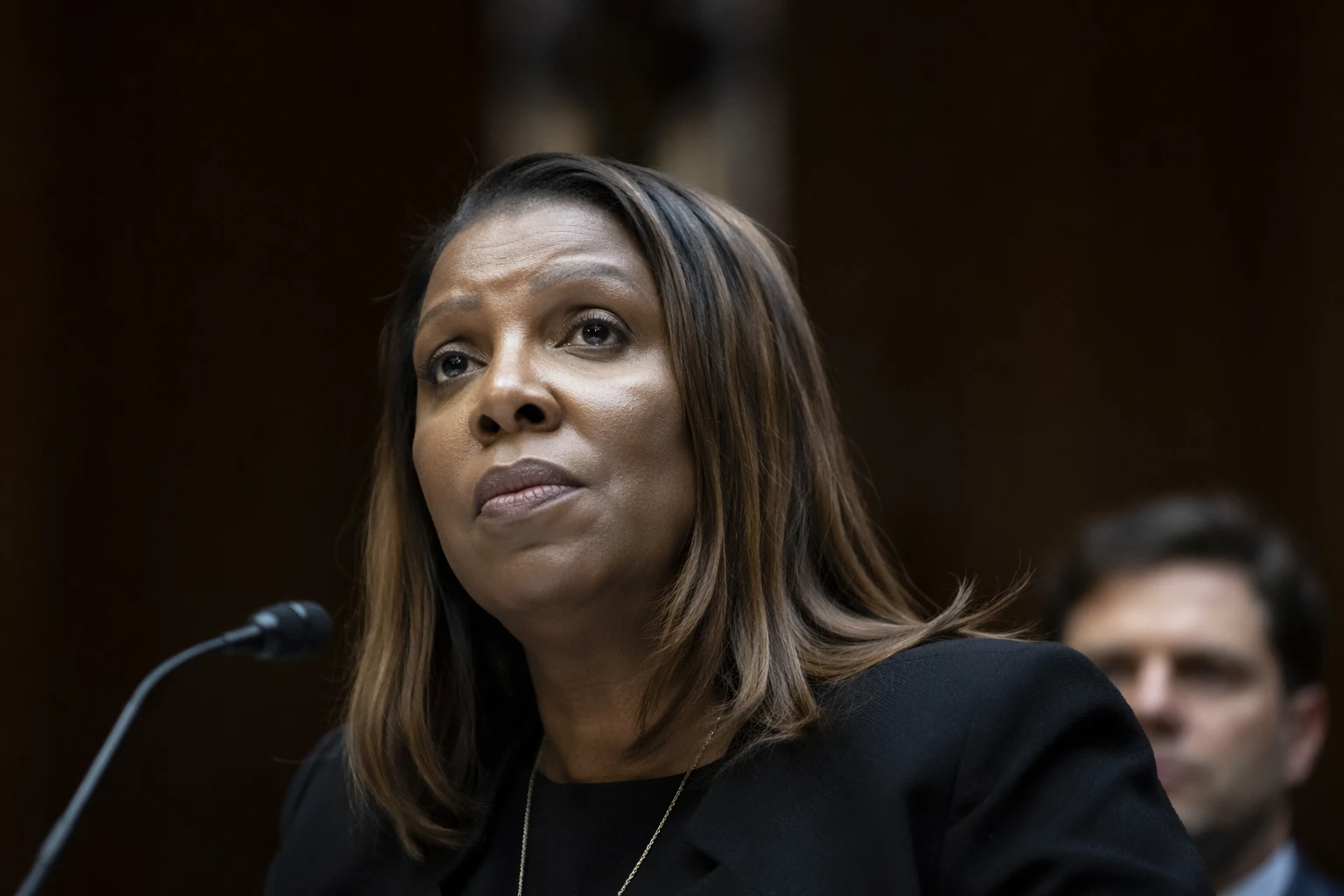
The documents sought appear to cut into the core of OpenAI’s business model. Requests tied to advertising, user engagement and retention suggest regulators want to know how the company keeps people using ChatGPT and whether those tactics raise consumer protection concerns. Questions about consumer data and health data raise separate privacy issues, especially if users have relied on the chatbot for sensitive personal or medical information.
The inquiry also highlights growing state interest in AI safeguards for vulnerable groups. By seeking records related to minors and seniors, along with deep learning models and model sycophancy, the attorneys general are signaling concern not just over what the system can do, but over how it behaves with different users and whether it can reinforce bad judgments or unsafe dependencies.

OpenAI has recently tried to shape the policy debate on its own terms. On June 3, 2026, it published a blueprint for frontier AI governance, and on April 8, 2026, it released a Child Safety Blueprint outlining safeguards and collaboration with child-protection partners. Those steps, along with its public emphasis on privacy and data controls in other disputes, may help show the company is aware of the pressure. They do not, however, remove the risk that state investigators will now examine how closely those promises match the way OpenAI actually operates.
Sources
- [1]techcrunch.com
- [2]engadget.com
- [3]cnbc.com
- [4]finance.yahoo.com
- [5]openai.com