Politics
State Department cancels Gustavo Petro's visa after pro-Palestinian rally attendance
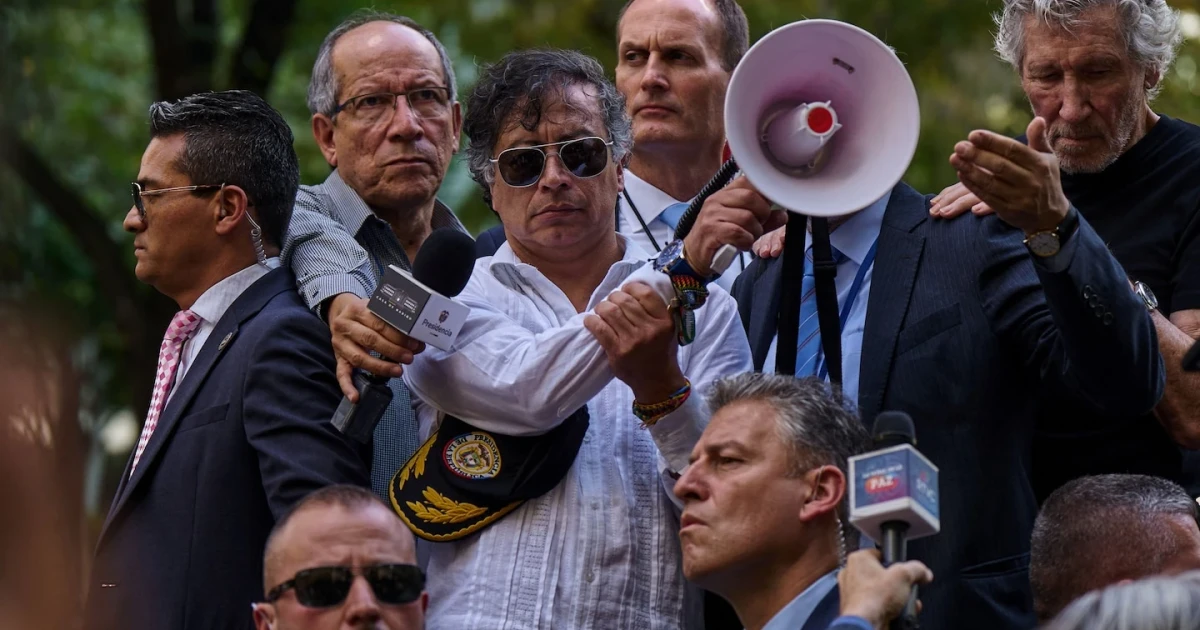
The State Department canceled Gustavo Petro’s visa last year after Colombia’s president attended a pro-Palestinian rally in Manhattan. The move thrust a foreign-policy decision into the middle of an intensely domestic argument over who can appear at politically charged gatherings in New York.
Petro had planned to attend a forum led by Mayor Mamdani of New York, a visit that would have placed the Colombian president on a high-profile stage in the city. Instead, the visa cancellation cut off that appearance after Petro’s participation in the rally drew the State Department’s response.
The episode underscored how quickly diplomatic tools can become instruments in ideological fights playing out inside the United States. A visa is usually a mechanism for managing travel and statecraft; in this case, it also became a lever in a dispute shaped by protest politics, public symbolism and the boundaries of acceptable political expression.
For Colombia, the decision carried more than personal consequences for Petro. When Washington cancels the visa of a sitting president after a political rally in Manhattan, it sends a message that can ripple through bilateral relations, especially when the target is tied to a cause that remains sharply divisive in the United States.
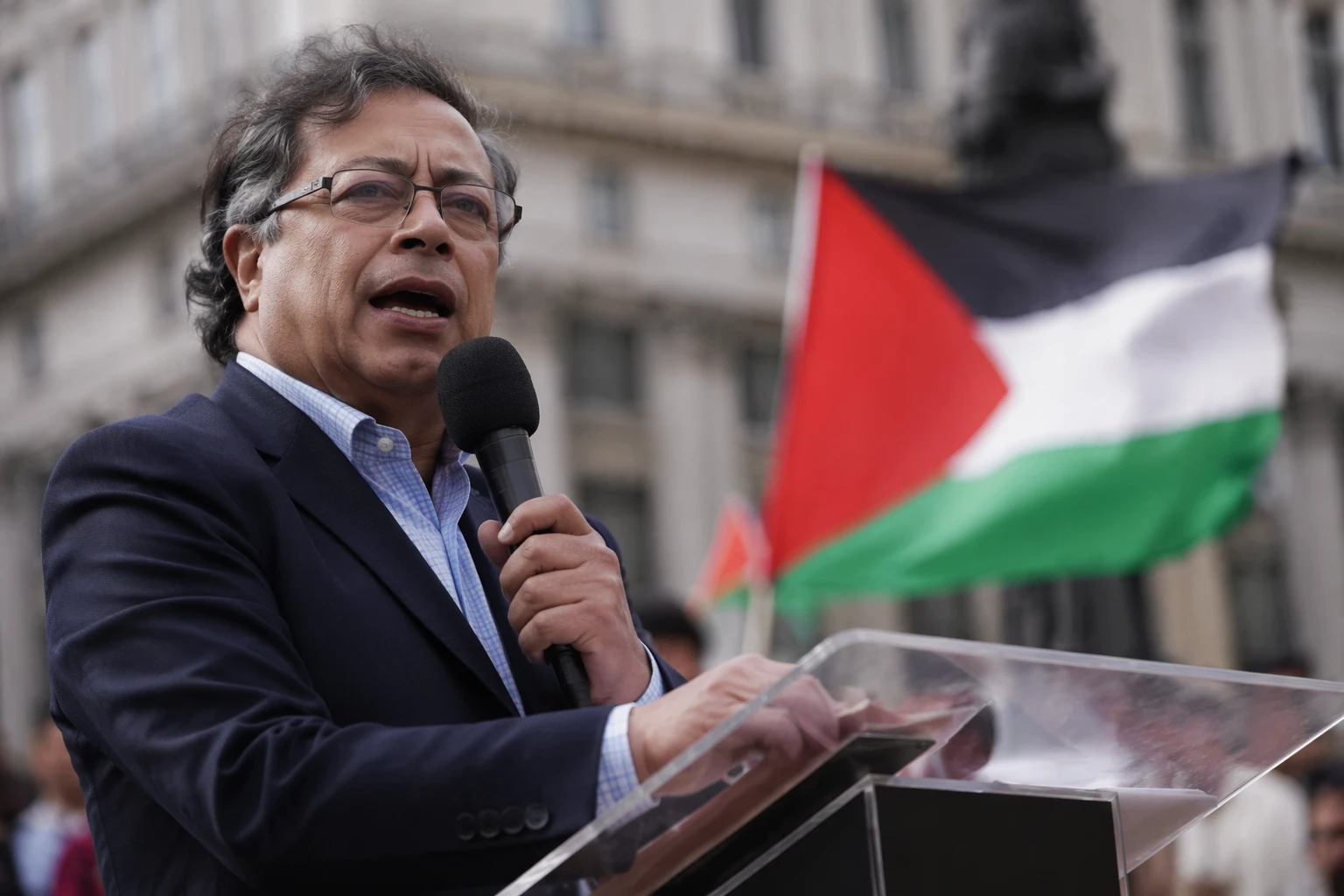
The clash also highlighted the uneasy overlap between foreign policy and domestic politics. Petro’s planned forum in New York would have placed a foreign head of state inside a local political moment, and the State Department’s decision showed that U.S. officials were prepared to intervene before that stage was reached. In doing so, they turned a travel document into a signal about the limits of diplomatic access in an era when foreign leaders increasingly enter American debates through protest, campus politics and city forums.
The result was a blunt reminder that diplomacy does not stay confined to embassies and ministries. In Petro’s case, it spilled directly into the streets of Manhattan and the political terrain of New York, where foreign-policy authority and domestic ideological conflict met in one abrupt decision.
Sources
- [1]nytimes.com