World
State Department prepares to close consulates in Canada, Japan and Indonesia
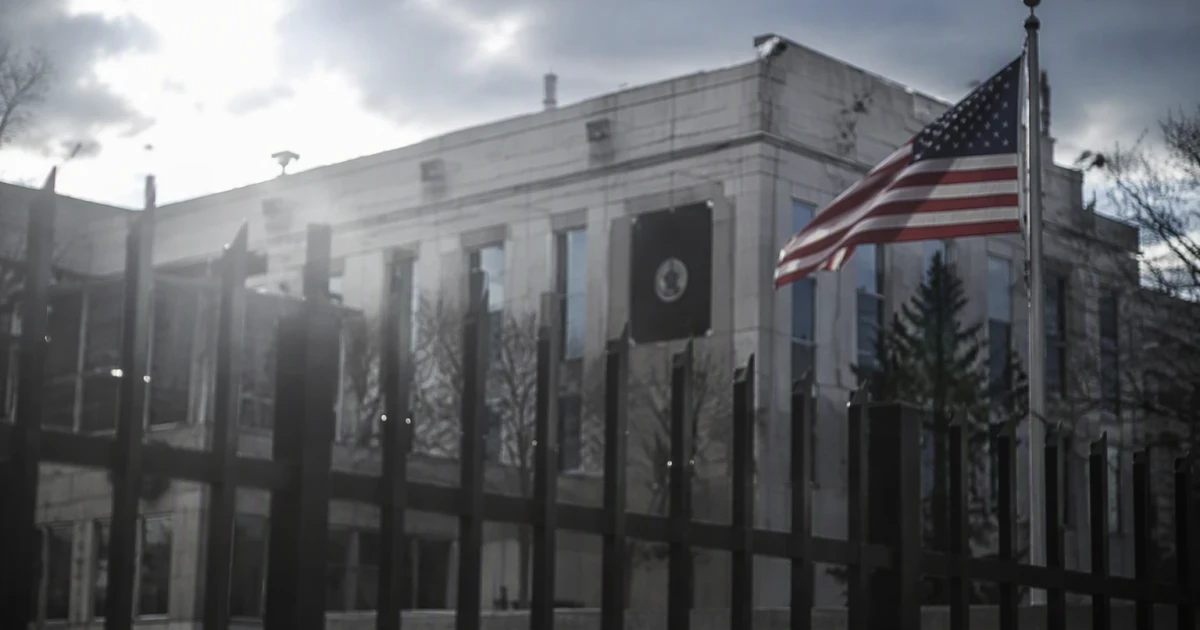
The State Department notified Congress on Aug. 3 that it planned to close five foreign missions, including the U.S. consulates in Winnipeg, Nagoya and Medan. The move would strip away the front-line posts that handle visa processing, passport services, emergency assistance, commercial outreach and the political reporting that helps Washington track developments outside capital cities.
The package reached well beyond Canada, Japan and Indonesia. Reuters-linked coverage identified two more missions on the list: an embassy in St. George’s, Grenada, and an embassy branch office in Douala, Cameroon. Together, the closures would cut across the Western Hemisphere, Africa and Asia, and focus on smaller posts rather than embassies in major capitals.
That pattern matters because consulates are often the most visible day-to-day face of U.S. diplomacy. They process visas for foreign nationals, help Americans who lose passports or need emergency services, and maintain business links that support U.S. firms abroad. When a post closes, those tasks do not disappear; they move elsewhere, usually to a larger mission that must absorb more work and often serve a wider geography.
Winnipeg carried a particular symbolic weight. Local coverage said the consulate had supported Americans and Canada-U.S. trade ties for more than 20 years, and the State Department later confirmed the closure to CTV News. Manitoba Progressive Conservative Party politicians voiced disappointment over the decision, reflecting concern that travelers and companies in the province would have to rely on more distant U.S. facilities for routine services.
The shutdown plan fit a broader effort to pare back the department’s operations budget, a rare reduction in America’s diplomatic footprint. For supporters, consolidation can look like a cost-saving response to tighter budgets and changing communications technology. For critics, the loss of smaller missions can weaken local relationships, reduce access for citizens and businesses, and make it harder for Washington to respond quickly when a crisis breaks out far from an embassy in a capital city.
The geography of the five-post plan also underscored how the Trump administration was redefining where the United States wanted to be seen abroad. By targeting posts in Canada, Japan and Indonesia, rather than only far-flung outposts, the department signaled that even long-standing allied relationships were not immune from retrenchment.
Sources
- [1]reuters.com
- [2]ctvnews.ca
- [3]chrisd.ca
- [4]dailysabah.com
- [5]newsweek.com
- [6]m.investing.com