Technology
States crack down on data centers as AI boom strains communities
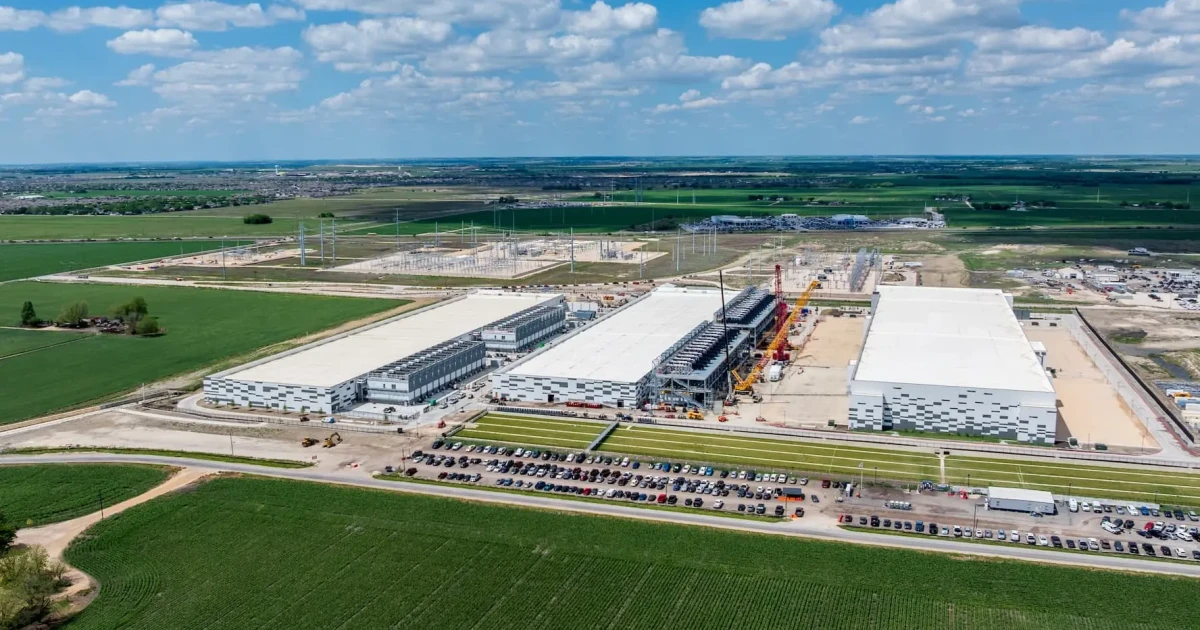
Opponents staged 142 protests across 42 U.S. states as the AI boom collided with a basic local question: who pays when giant data centers arrive with promises of jobs and investment but also heavier power demand, water use and tax breaks. Across the country, governors and legislatures are moving from welcome mat to scrutiny as residents press them to justify the strain on grids, wells, roads and neighborhoods.
The backlash has become national
More than 4,000 data centers now operate nationwide, the National Conference of State Legislatures says, and lawmakers in 15 states are considering banning new projects. By mid-2026, 19 of 50 states were either restricting data centers or weighing restrictions.
The complaints are consistent from place to place: higher electricity bills, pressure on water supplies, noise from cooling systems and the loss of farmland or open space to industrial-scale campuses.
Data centers sit at the center of AI because they hold the servers, networking gear and cooling systems needed to train and run large models and store huge amounts of data. As the facilities multiply, the politics have shifted from whether communities want the tax base to whether the physical demands of these campuses are compatible with local infrastructure.
Why states are rethinking incentives
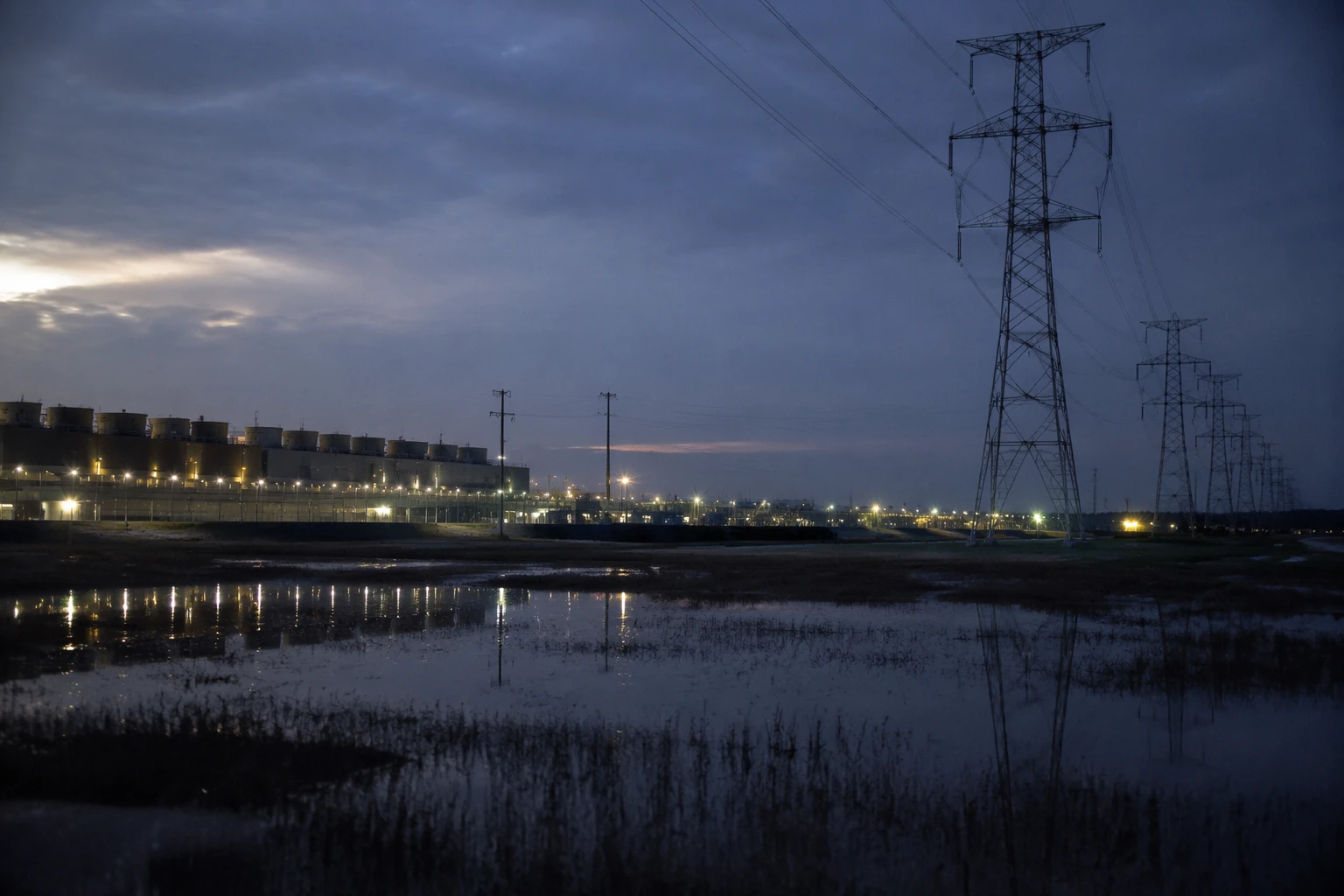
The financial side of the boom is now under sharper review. Thirty-eight states offer tax incentives to data centers, according to Benton Institute materials, and at least nine states considered repealing those incentives this year. State and local governments have spent years using tax packages and other economic-development tools to compete for the projects, often on the assumption that the promised jobs and investment would outweigh the costs.
Data centers make up just 1% of the U.S. commercial real estate market, yet they are attracting outsized funding as investors seek exposure to AI infrastructure. The buildings may be a small slice of the property market, while their demands on electricity and water can be enormous.
State officials are now asking whether the incentives still make sense when the infrastructure bill lands on ratepayers and utilities. For proponents, the argument is straightforward: data centers bring construction work, capital spending and long-term digital infrastructure. For opponents, the public is being asked to subsidize projects that can raise utility costs or consume scarce resources, with too little transparency about the tradeoff.
New York’s moratorium sets a new political line
New York became the first state to impose a data-center moratorium, and Governor Kathy Hochul drew a bright line around the policy choice. “Progress shouldn't arrive with a higher utility bill, depleted water supplies, or noise pollution,” she said.
The old posture was largely permissive, with agencies and local boards focused on attracting projects and smoothing permits. Now, the question is whether growth should proceed only when developers can show that grids, water systems and neighborhoods can absorb the load.

Donald Trump criticized New York’s move. Supporters of moratoriums argue they buy time to study impacts on local communities and improve power-grid resiliency, which is increasingly central as utilities plan for longer-term load growth tied to AI.
Transparency is becoming the next battleground
Beyond bans and moratoriums, lawmakers are pushing for disclosure rules that would make the industry more legible to the public. Senator Dick Durbin introduced the Data Center Water and Energy Transparency Act to require data centers to disclose their energy and water usage, and he said data centers are not required by federal law to report the quantity or source of the energy and water they consume.
The lack of standardized reporting makes it harder for states to compare projects, set permitting conditions or judge whether a subsidy is worth it. States are pushing to end secrecy over data-center water use, and policy groups have documented waves of legislation in 2025 and 2026 aimed at disclosure, permitting and subsidy conditions.
The policy direction is broadening beyond single-site fights. Lawmakers are proposing rules on water-use transparency, energy disclosure and tax incentives, while utilities and regulators are being pushed to plan for transmission upgrades, cooling needs and long-term grid capacity. The practical effect is that the next data-center project may face a much longer review process than the first wave of AI campuses did.
Sources
- [1]reuters.com
- [2]ncsl.org
- [3]youtube.com
- [4]durbin.senate.gov
- [5]benton.org
- [6]eenews.net