Health
States Extend RSV Immunization as Virus Activity Persists
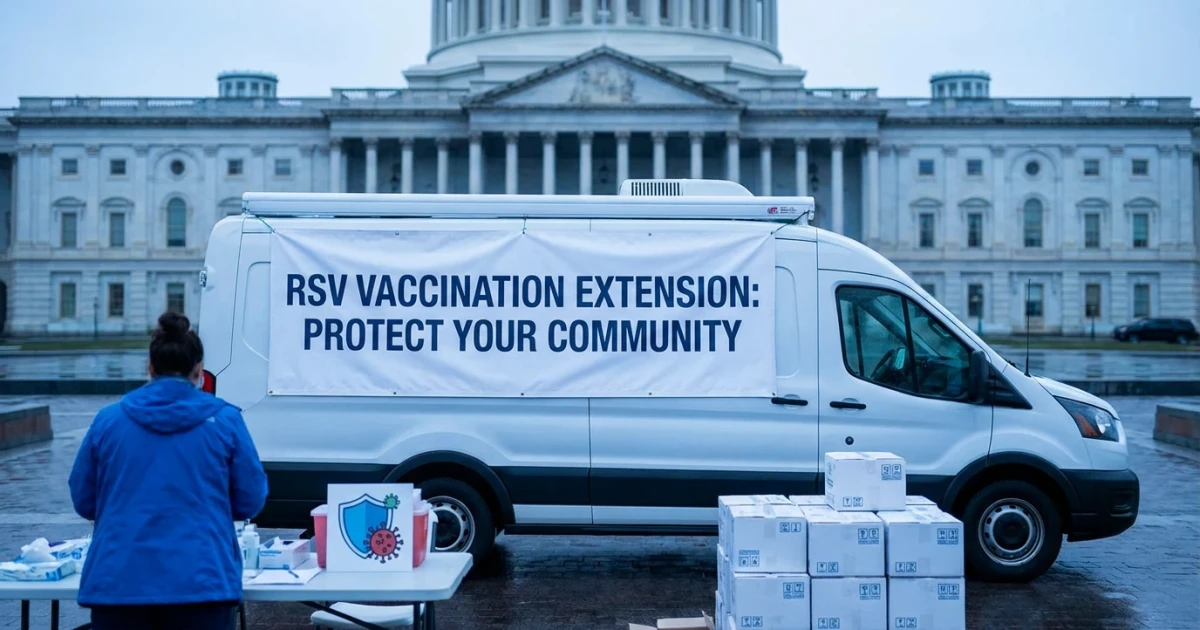
Respiratory syncytial virus (RSV) continues to circulate across the United States, prompting health officials in multiple states to extend the immunization period for infants and other high-risk groups. The move comes as surveillance data show ongoing RSV activity beyond the typical season, raising concerns about prolonged exposure risks for vulnerable populations.
Persistent RSV Activity Drives Policy Changes
Data from the CDC's RSV Surveillance program indicate that RSV positivity rates remain elevated in several regions, defying the usual seasonal decline expected in the spring. The National Respiratory and Enteric Virus Surveillance System (NREVSS) confirms higher-than-average laboratory-confirmed RSV cases in recent weeks, particularly in the South and Midwest.
- RSV typically peaks between October and March, but this season has seen persistent activity into April
- Some regions are reporting double the usual number of cases compared to past years at this time
States Respond by Extending Immunization Periods
In response to these trends, several states have announced extensions to their RSV immunization programs, allowing eligible infants and young children to receive additional protection beyond the previously established cutoff dates. State health departments are coordinating with pediatricians and pharmacies to continue offering RSV prevention shots.
- Immunization extension periods vary by state, with some continuing programs through late spring
- Eligibility typically focuses on infants under 8 months and children at increased risk for severe RSV disease
The KFF state-by-state immunization policy tracker provides an overview of current extension policies, eligibility criteria, and local guidance for families and providers.
Expert Guidance and Public Health Implications
The Advisory Committee on Immunization Practices (ACIP) has underscored the importance of adapting immunization strategies to reflect real-time RSV activity. Extending the immunization period is considered a necessary step to prevent hospitalizations and severe outcomes, especially among newborns and premature infants. Recent peer-reviewed research supports the effectiveness of flexible immunization timing in reducing RSV-related complications during atypical seasons.
What Parents and Caregivers Should Know
- Parents of infants and young children should consult with their pediatricians about RSV immunization eligibility and availability
- Local health departments are updating their websites with clinic schedules and guidance as extension periods are announced
- RSV prevention remains critical for premature infants, those with chronic lung or heart disease, and other high-risk groups
Looking Ahead
The extension of RSV immunization periods reflects a broader shift toward more dynamic, data-driven public health responses. As the virus continues to circulate later into the year, health officials are urging families and healthcare providers to remain vigilant and take advantage of available preventive measures. Ongoing surveillance and flexible policy adaptations will be key to managing the impact of RSV in the months ahead.