Technology
States Ramp Up Unprecedented Efforts to Shape AI’s Role in Schools
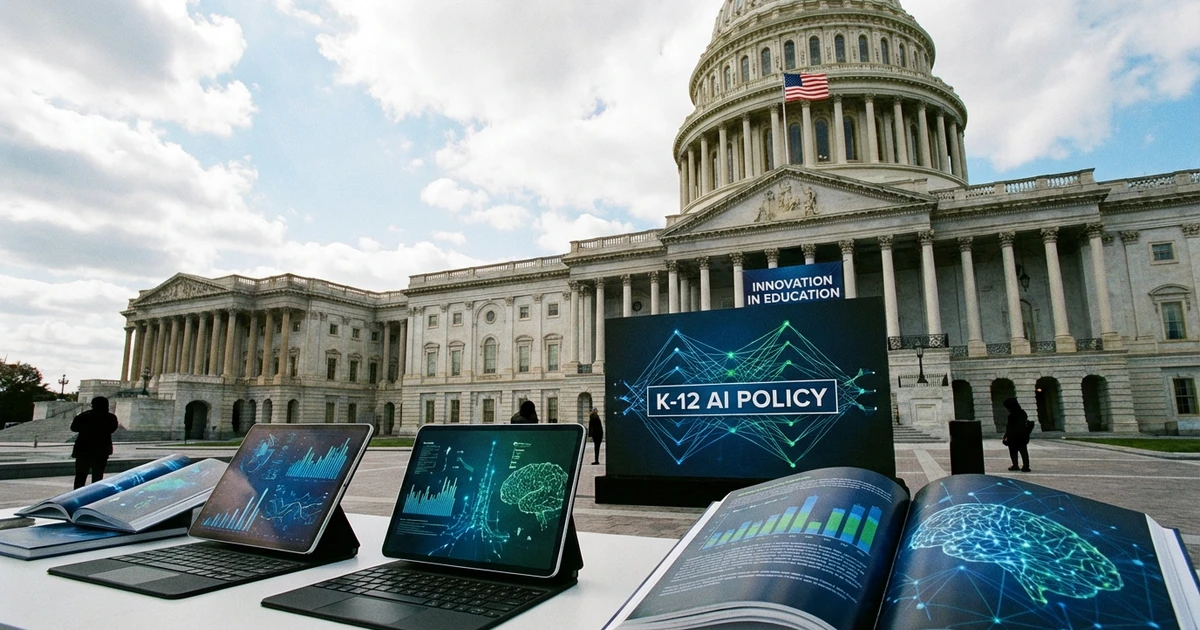
Artificial intelligence (AI) has surged into the spotlight in schools nationwide, with states taking unprecedented steps to understand, regulate, and maximize its potential in education. As the transformative power of AI becomes clearer, state leaders are moving quickly to ensure that schools are both prepared for opportunities and protected from potential risks.
The Growing Impact of Artificial Intelligence in K-12 Education
AI technologies have rapidly evolved, offering new tools for personalized learning, administrative efficiency, and student support. From adaptive learning platforms that tailor lessons to individual needs, to AI-driven data analysis that helps educators track progress, the integration of AI is reshaping classrooms across the country.
- Personalized learning: AI can analyze student performance and adjust instructional content in real time.
- Administrative automation: Tasks like scheduling, grading, and communication are increasingly handled by intelligent systems, freeing up teachers for more direct instruction.
- Support for diverse learners: AI tools offer translation, assistive technologies, and targeted interventions for students with special needs.
State-Level Action: Unprecedented Policy Focus
According to Education Week, state governments have never before devoted so much attention to AI’s role in schools. Legislators and education agencies are crafting guidance, setting up task forces, and launching pilot programs to both harness AI’s benefits and address concerns around data privacy, equity, and educator readiness.
Key actions at the state level include:
- Developing statewide AI education strategies that set clear expectations for safe and effective use of AI tools.
- Updating privacy laws and guidelines to protect student data in the age of machine learning and predictive analytics.
- Investing in professional development so teachers and school leaders can make informed decisions about adopting AI-powered solutions.
- Creating oversight committees focused on AI ethics, transparency, and long-term impacts on student outcomes.
Opportunities and Challenges Ahead
Policymakers and educators are optimistic about AI’s potential to improve learning outcomes and operational efficiency. However, they remain vigilant regarding challenges such as algorithmic bias, the digital divide, and the need for robust human oversight in decision-making processes.
As each state forges its own path, collaboration and information sharing are becoming central to navigating this rapidly changing landscape. The focus is on ensuring AI serves as a tool for equity and innovation, rather than a source of new inequalities or ethical dilemmas.
Looking Forward: A Critical Moment for Education Policy
With AI’s influence in schools only expected to grow, the current wave of state-level action marks a critical turning point. The policies and strategies being developed now will shape how future generations interact with technology in their educational journeys.
For ongoing updates on AI in education and state policies, readers can follow coverage on Education Week and other trusted education news sources.