Technology
States Ramp Up Unprecedented Focus on AI’s Role in Schools
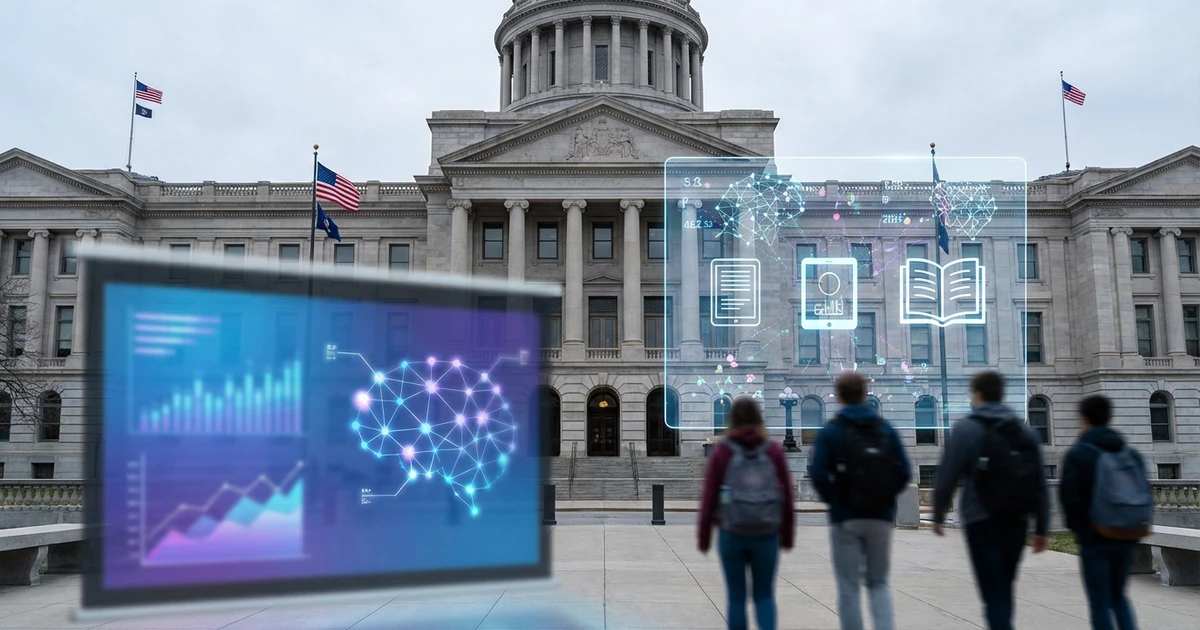
States across the country are intensifying their efforts to address the rapidly expanding role of artificial intelligence (AI) in K-12 education, marking a pivotal shift in policy and classroom practice. This unprecedented attention reflects growing recognition of both the promise and challenges that AI presents for American schools.
The Growing Impact of AI on Education
As AI technologies like adaptive learning platforms, automated grading tools, and generative AI (such as chatbots and essay writers) become more prevalent, state leaders are working to establish clear guidance and regulations. Their goal is to ensure that AI enhances learning while safeguarding student data and academic integrity.
- Several states have launched task forces and advisory committees to study AI’s educational impact and develop policy frameworks.
- Departments of education are issuing guidance for teachers on safely and effectively integrating AI in the classroom.
- Policymakers are weighing data privacy measures and strategies to combat potential misuse, such as plagiarism or bias in AI-generated content.
Key Areas of State-Level Focus
States are prioritizing several core concerns as they respond to AI’s surge in education:
Student Data Privacy
With AI systems handling large amounts of student information, states are strengthening policies to protect privacy and ensure compliance with federal laws like FERPA. This includes reviewing vendor contracts, setting standards for data storage, and specifying acceptable uses of AI-powered platforms.
Academic Integrity and Assessment
Educators are increasingly concerned about AI tools that can generate essays, solve math problems, or complete assignments for students. In response, some states are updating academic honesty policies, training teachers to identify AI-assisted work, and promoting the use of AI as a learning aid rather than a shortcut.
Teacher Training and Guidance
Professional development is a top priority as educators navigate the new AI landscape. States are investing in resources to help teachers use AI responsibly, design effective lessons that integrate technology, and address student questions about AI ethics.
Looking Ahead: Policy and Innovation
The heightened attention on AI in schools is expected to accelerate in the coming years. As state task forces make recommendations and new policies are enacted, the education sector will likely see:
- Clearer state-level standards for AI use in K-12 classrooms
- More robust oversight of educational technology vendors
- Continued investment in teacher training around AI tools
- Ongoing debates about the balance between innovation and regulation
While the full impact of AI on education remains to be seen, states’ unprecedented focus signals a commitment to proactively shaping the future of learning. As technology evolves, so too will the policies designed to ensure that AI serves students, teachers, and communities safely and effectively.
For further updates and resources on AI’s role in education, visit Education Week's Technology section.