Health
States rush to destroy cancer-linked firefighting foam nationwide
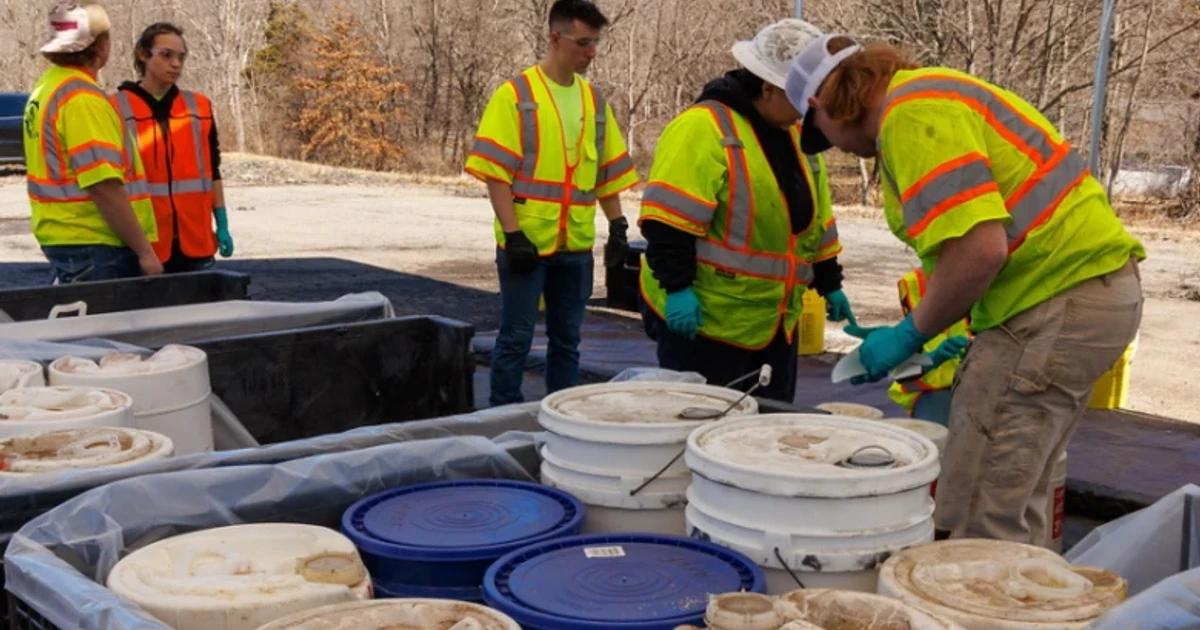
Fire departments across the country are trying to get rid of a foam they once relied on to stop liquid-fuel fires. The material, aqueous film-forming foam, or AFFF, contains PFAS, the so-called forever chemicals now tied to cancer, and more than a dozen states are working to collect, remove and destroy stockpiles that have been sitting in stations, depots and training sites for years.
The U.S. Environmental Protection Agency says AFFF has been used for flammable liquid fires in airports, shipyards, military bases, firefighting training facilities, chemical plants and refineries. That long footprint helps explain why the cleanup is so hard: departments did not just use the foam in emergencies, they stored it for training and rapid response, leaving them with supplies that are costly and risky to keep, move or dispose of safely.
Health agencies have sharpened the pressure to act. CDC/NIOSH says workplace exposure to PFAS has been linked to cancer and other health effects, and that firefighters may face more exposure than the general public because PFAS are often used in foam for liquid-fuel fires. The International Agency for Research on Cancer classifies occupational exposure as a firefighter as carcinogenic to humans, citing sufficient evidence for cancer in humans and specifically noting mesothelioma and bladder cancer.
New Jersey has become one of the most aggressive states in the cleanup effort. Its statewide program is designed to collect and safely destroy PFAS-containing firefighting foam from hundreds of fire departments at no cost to them. State officials said they expect to destroy more than 150,000 gallons of AFFF, describing it as one of the largest coordinated PFAS firefighting-foam disposal efforts in U.S. history.
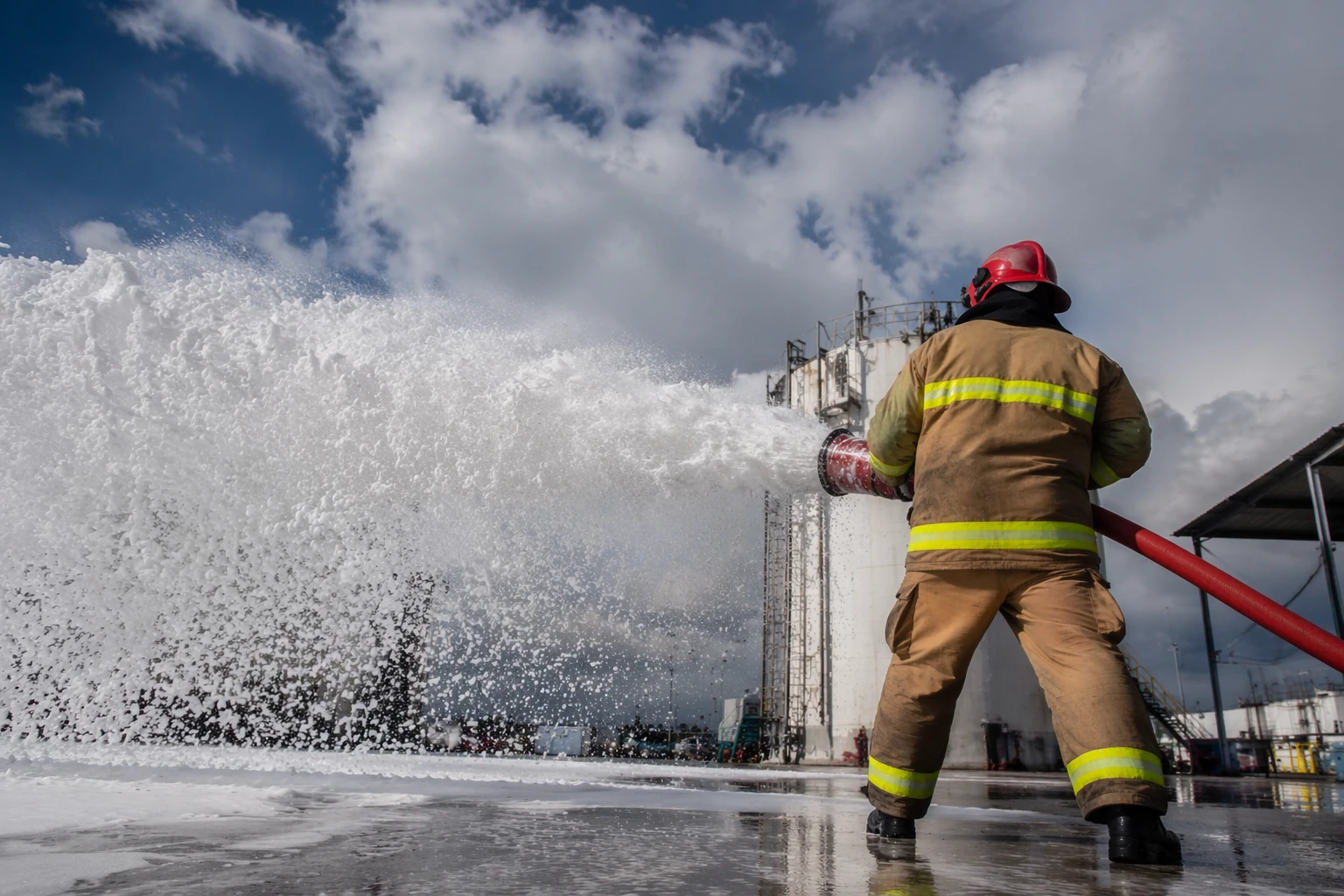
The scale of the problem is forcing states to move beyond storage and into replacement. Florida has enacted a PFAS phaseout that affects firefighting foam and gear, showing that the transition now reaches the equipment firefighters wear as well as the foam they spray. For departments, the central question remains the same: what replaces AFFF when a tanker fire or refinery blaze turns deadly in seconds, and who pays for the switch.
The human toll is part of that calculation. Robert Gancarz, a New Jersey firefighter, said the cancer risk was “definitely a scary, scary thing to think about,” a blunt reflection of the long-term fear many responders now carry about a product they used for years to protect everyone else.
Sources
- [1]cbsnews.com
- [2]cdc.gov
- [3]epa.gov
- [4]iarc.who.int
- [5]dep.nj.gov
- [6]nj.gov