Health
States Scale Back Medicaid Coverage of Obesity Drugs Amid Rising Demand
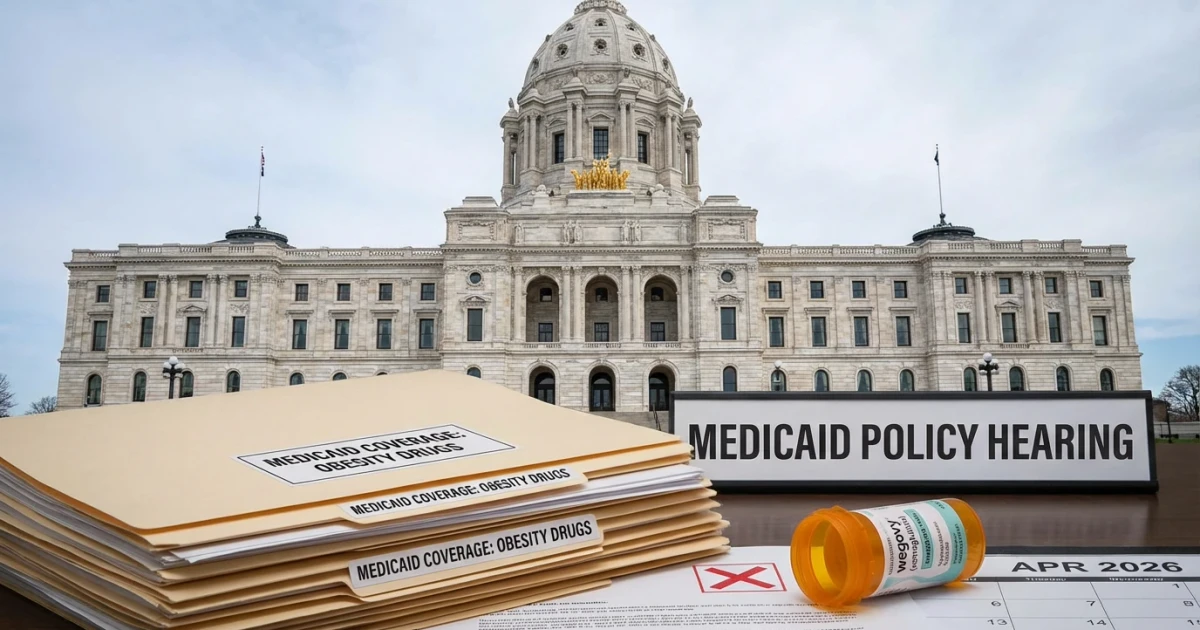
Several US states have begun scaling back Medicaid coverage of GLP-1 weight-loss drugs, raising concerns among patients and advocates about access to effective obesity treatment. As demand for medications such as semaglutide and liraglutide continues to surge, the decision by some states to restrict coverage has sparked debate over healthcare costs and the future of obesity care for low-income Americans.
GLP-1 Drugs and Their Growing Popularity
Glucagon-like peptide-1 (GLP-1) receptor agonists, including well-known brands like Ozempic and Wegovy, have seen rapidly increasing demand in recent years due to their effectiveness for both diabetes management and significant weight loss. Clinical evidence and peer-reviewed studies have shown that these medications can help patients lose a meaningful percentage of their body weight, with additional benefits for cardiovascular risk and glycemic control.
State Medicaid Programs Pull Back Coverage
According to recent reports, a number of states have moved to drop or reduce Medicaid coverage for GLP-1 drugs used specifically for weight loss. In California, for example, the state's Medicaid program, Medi-Cal, has cut coverage for some obesity medications, leaving patients worried about their ability to afford continued treatment. While the exact number of states making similar changes varies, national data from sources such as the Centers for Medicare & Medicaid Services (CMS) shows that coverage policies differ widely across the country and are subject to frequent updates as states reconsider the financial sustainability of these benefits.
- As of early 2026, more than half of states do not cover GLP-1 drugs for obesity under Medicaid, while most cover them for diabetes.
- Some states have moved to cover these drugs only for specific subpopulations or with additional prior authorization requirements.
- State spending on GLP-1 medications has risen sharply, with prescription drug utilization data from Medicaid.gov showing a substantial increase in claims and expenditures over the past two years.
Patient Concerns and Access Challenges
The reduction in Medicaid coverage has left many patients uncertain about continued access to treatment. For those who have experienced significant weight loss and improved health outcomes on GLP-1 medications, the possibility of losing coverage means facing out-of-pocket costs that can exceed $1,000 per month—costs that are often prohibitive for Medicaid enrollees. Advocacy groups warn that these coverage cuts could undermine progress in addressing the obesity epidemic, particularly among low-income populations most at risk for related health complications.
Policy and Cost Drivers
Policymakers cite the high price of GLP-1 drugs and the rapid growth in prescriptions as key factors behind coverage reductions. Analysis from the Congressional Budget Office and other research organizations underscores the fiscal strain these drugs can place on public insurance programs, especially as indications for their use expand and demand continues to rise. States must balance the potential long-term health savings from obesity reduction against the immediate budget impact of covering high-cost medications for large populations.
Looking Ahead: A Patchwork of Coverage
As states take divergent approaches, Medicaid coverage for GLP-1 weight-loss drugs remains a patchwork, with access dependent on where a patient lives and their specific medical circumstances. The national debate over how best to manage obesity—one of the leading drivers of chronic disease in the US—will likely intensify as demand for these medications grows. Ongoing monitoring of state policies, utilization trends, and patient outcomes will be critical for informing future coverage decisions and ensuring equitable access to effective treatments.