Politics
States suing to block mailed abortion pills face telehealth workarounds
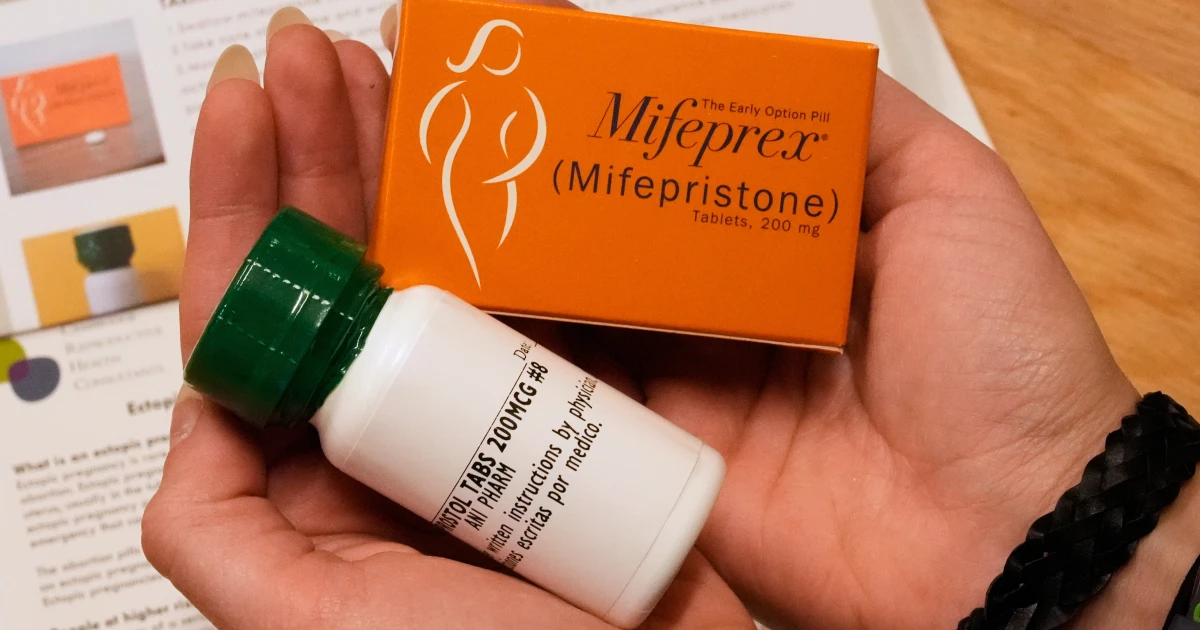
States trying to block mailed abortion pills are running into a system built to route around them. By December 2025, more than one in four clinician-provided abortions in the United States were accessed via telehealth, according to Society of Family Planning’s #WeCount reporting and related analyses, and one estimate put telehealth’s share at 29%.
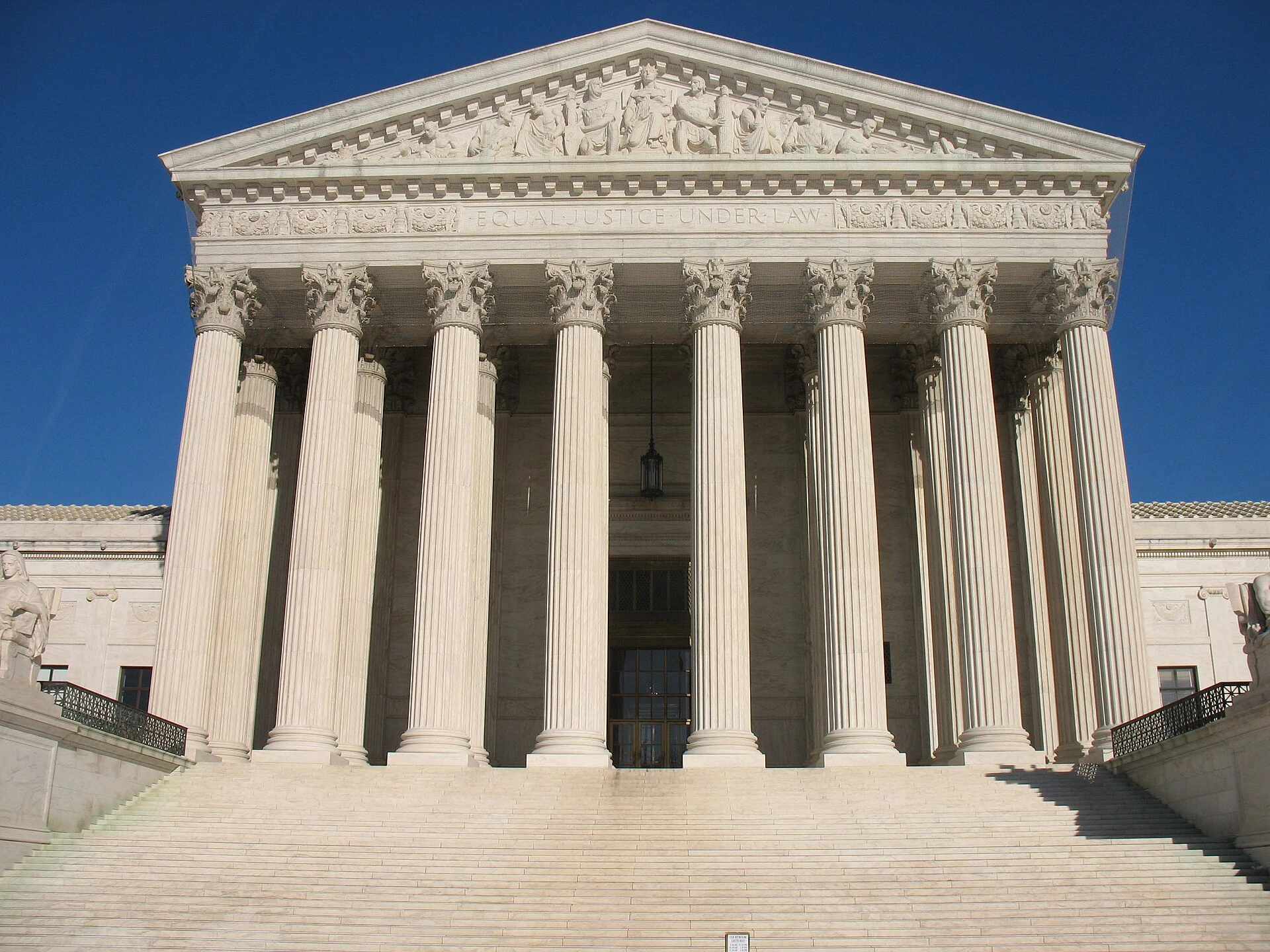
The fight now sits at the intersection of state abortion bans and federal drug regulation. The FDA removed mifepristone’s in-person dispensing restrictions temporarily in 2021 and permanently in 2023, allowing the FDA-approved regimen of mifepristone followed by misoprostol to be prescribed by telehealth and dispensed by mail or at retail pharmacies. That framework remained intact after the U.S. Supreme Court, on May 14, 2026, declined to reimpose restrictions while Louisiana v. FDA continues in lower courts. KFF says about half of telehealth abortions are provided by clinicians in shield-law states to patients living in states with bans or early gestational limits.
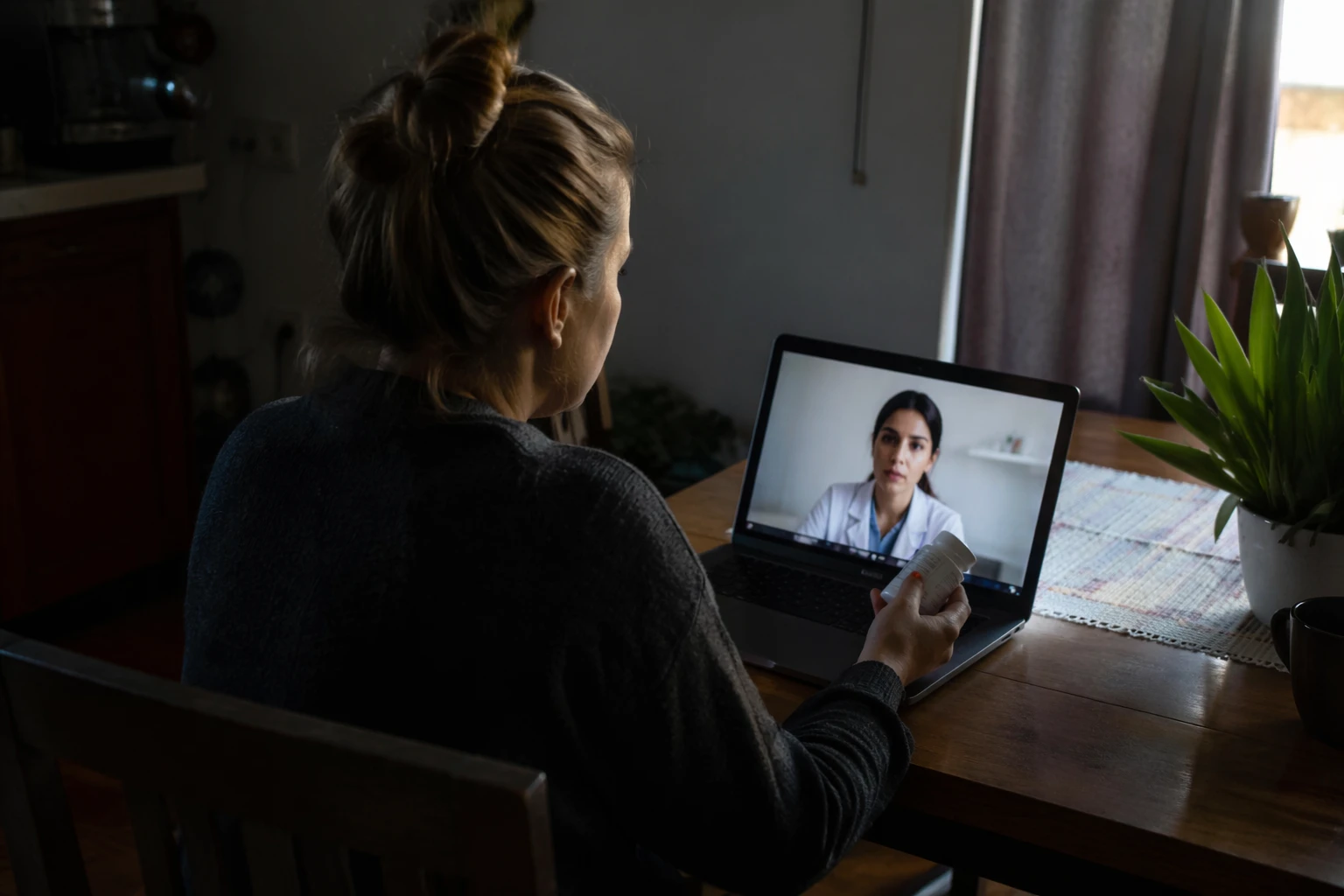
Those shield laws, in California, Colorado, Maine, Massachusetts, New York, Rhode Island, Vermont and Washington, are designed to protect clinicians who mail abortion medication across state lines. Louisiana and Texas have sued a New York doctor over mailed medication abortion, and Louisiana authorities have pursued Margaret Carpenter, whom providers describe as the first U.S. doctor criminally charged for providing abortion pills across state lines. The threat has raised the stakes for clinicians, but it has not shut down the network.
The scale of the workaround is visible in the data. A JAMA study published in August 2025 found that Aid Access served patients in all 50 states and the District of Columbia, and used shield laws to mail abortion medications to residents of 24 states with near-total or telemedicine bans. The same study found telemedicine abortion access was shaped by geography and poverty, with travel distance and broadband access affecting who could use the service.
Guttmacher Institute data from 2023 show why abortion opponents are finding this fight so difficult. Medication abortion accounted for 63% of clinician-provided abortions in states without total bans, and online-only clinics provided 10% of all abortions that year. The post-Dobbs landscape has made clear that state bans can narrow access, but telehealth providers, shield laws and out-of-state prescribers have made abortion far harder to eliminate than many ban supporters expected.
Sources
- [1]npr.org
- [2]kff.org
- [3]guttmacher.org
- [4]jamanetwork.com
- [5]kffhealthnews.org
- [6]stateline.org