Technology
Station F expands F/ai accelerator to boost European AI startups
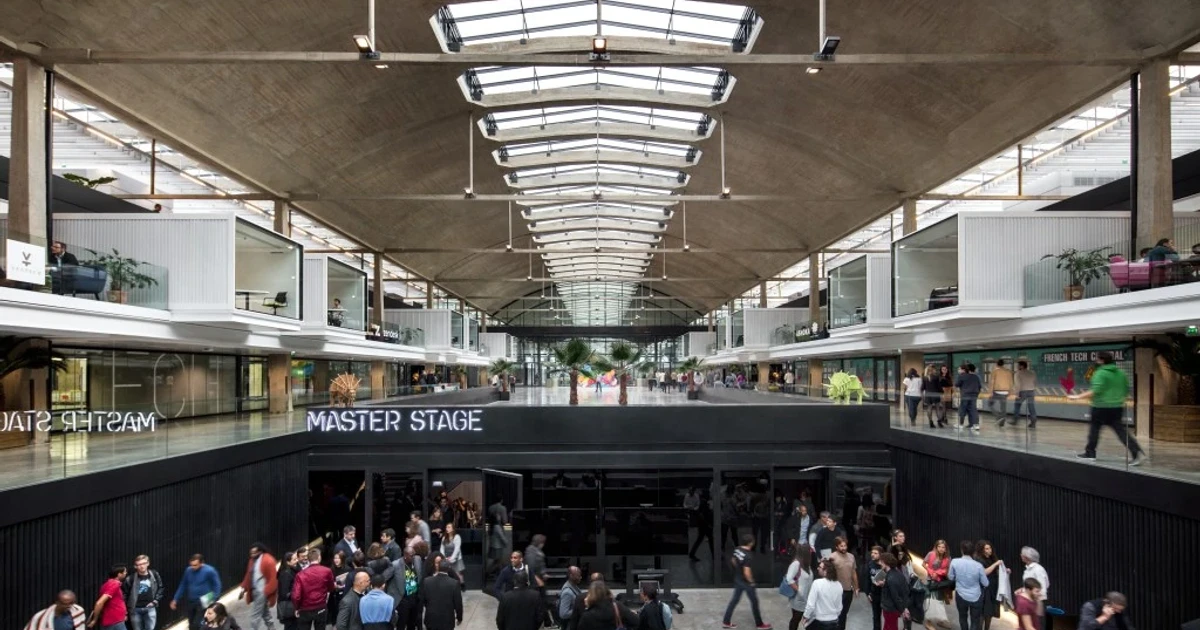
Station F launched its F/ai accelerator on February 11, 2026, with a first spring batch that began January 13 and selected 20 AI-native startups through a recommendation-only process. The Paris campus is using the program to push a harder question than startup hype: whether Europe can build an AI pipeline that keeps founders, talent and companies on the continent instead of feeding U.S. giants.
The program is built around speed and selectivity. Station F says F/ai will run twice a year and is aimed at founders with deep technical and research credentials, including repeat entrepreneurs and PhD holders, with the expectation that the strongest companies can reach €1 million in revenue within six months. That makes the accelerator more than a showcase for early-stage optimism; it is a bet that Europe can turn research-heavy teams into commercial businesses fast enough to matter.
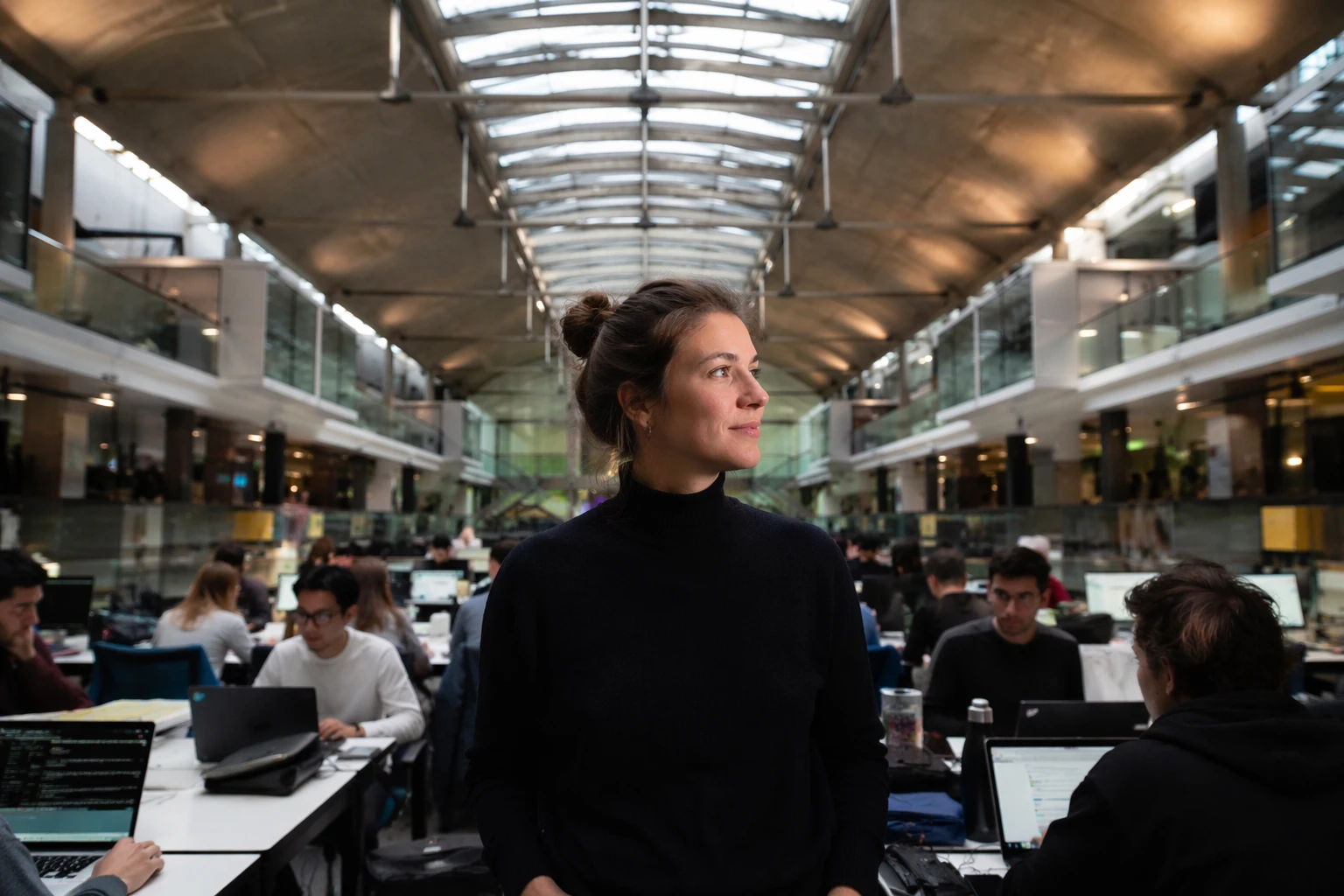
Its partner list is unusually crowded with names that shape the global AI stack. Microsoft, Meta, Mistral AI, Google, AWS, Hugging Face, Lovable, OpenAI, Anthropic, AMD, OVHcloud, Snowflake, Cloudflare and Qualcomm are on board, alongside investors and funds including Sequoia Capital, General Catalyst, Lightspeed, Seedcamp, Kima Ventures, 20VC, Motier Ventures and Drysdale Ventures. For founders, that mix offers access to cloud infrastructure, model providers, distribution channels and capital networks that often determine whether a company scales in Europe or relocates to the United States.
Roxanne Varza, Station F’s director, has cast the program as a way to help AI founders build globally competitive companies from Europe faster, more responsibly and with the right level of ambition. Anton Osika, the chief executive and co-founder of Lovable, said the accelerator matters because it compresses the path from research to products that actually ship. Those priorities reflect a broader European concern: regulation, funding and compute access matter, but so does the ability to turn technical excellence into repeatable revenue.

Station F itself is part of the argument. Founded in 2017 in the 13th arrondissement of Paris, the campus sits inside the Halle Freyssinet, a building Station F says was constructed in 1927 by engineer Eugène Freyssinet, bought by Xavier Niel in 2013 and listed as a historical monument in 2012. The campus says it was designed to bring 1,000 startups under one roof, and now says it is home to the largest AI startup community in Europe. TF1 describes the site as 34,000 square meters and home to more than 1,000 startups.
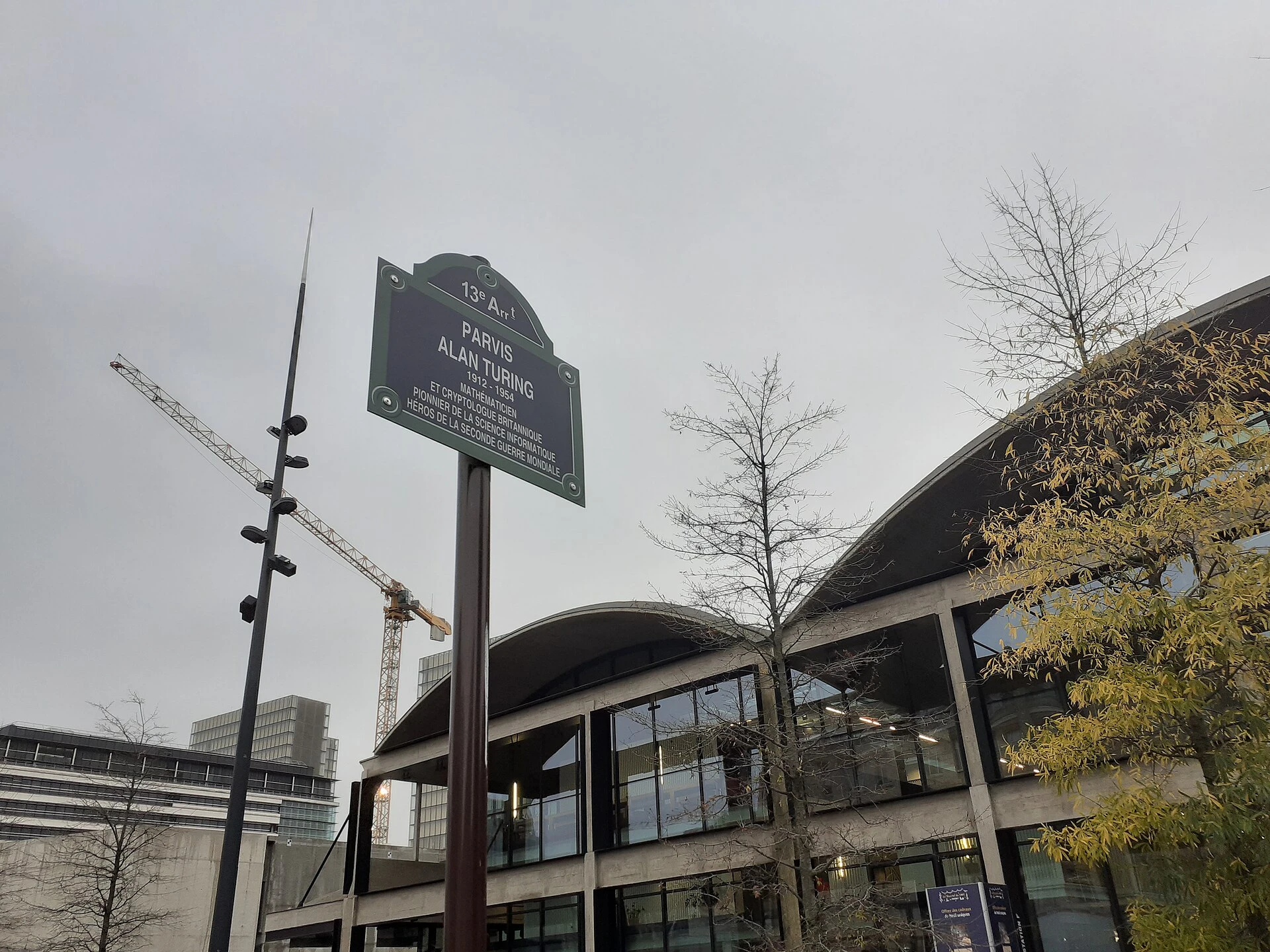
That scale gives Station F visibility, but F/ai is the test of whether visibility becomes durable advantage. A recommendation-only accelerator with elite partners can sharpen a small number of companies; it will also reveal how much of Europe’s AI future can be built inside one campus, and how much still leaves for better capital, larger markets and faster expansion elsewhere.
Sources
- [1]techcrunch.com
- [2]stationf.co
- [3]sciencebusiness.net
- [4]groupe-tf1.fr
- [5]msn.com