Technology
Stellantis deepens investment in Factorial Energy as battery tests advance
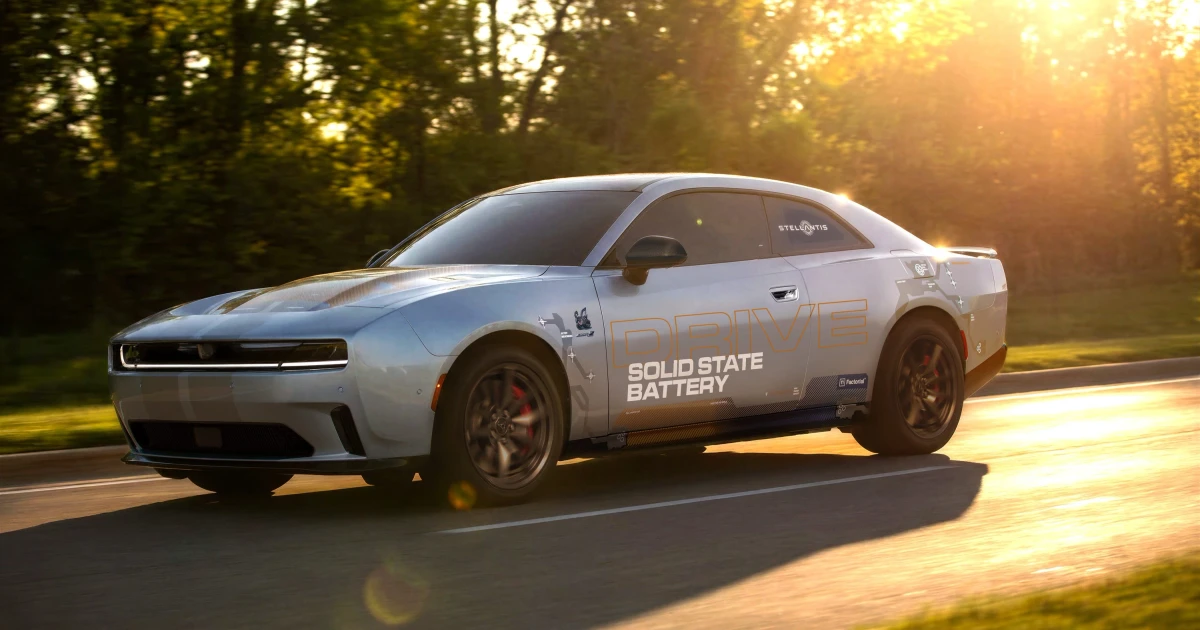
Stellantis has deepened its commitment to Factorial Energy at a moment when solid-state batteries remain more promise than mass-market reality. A securities filing showed the automaker now holds a 9.5% stake in the U.S. startup, worth about $126 million at market prices, and may buy additional shares later. Stellantis Financial Services chief Jon Nelson also has been elected to Factorial’s board, giving the company a more direct hand in the battery maker’s direction.
The investment arrives as Stellantis and Factorial push their development work out of the lab and onto the road. Stellantis said it had integrated Factorial’s FEST solid-state battery cells into a development vehicle and started road testing to verify performance, safety and reliability. The program uses a Dodge Charger Daytona and, according to Stellantis, marks the first automotive integration of solid-state battery technology in North America.
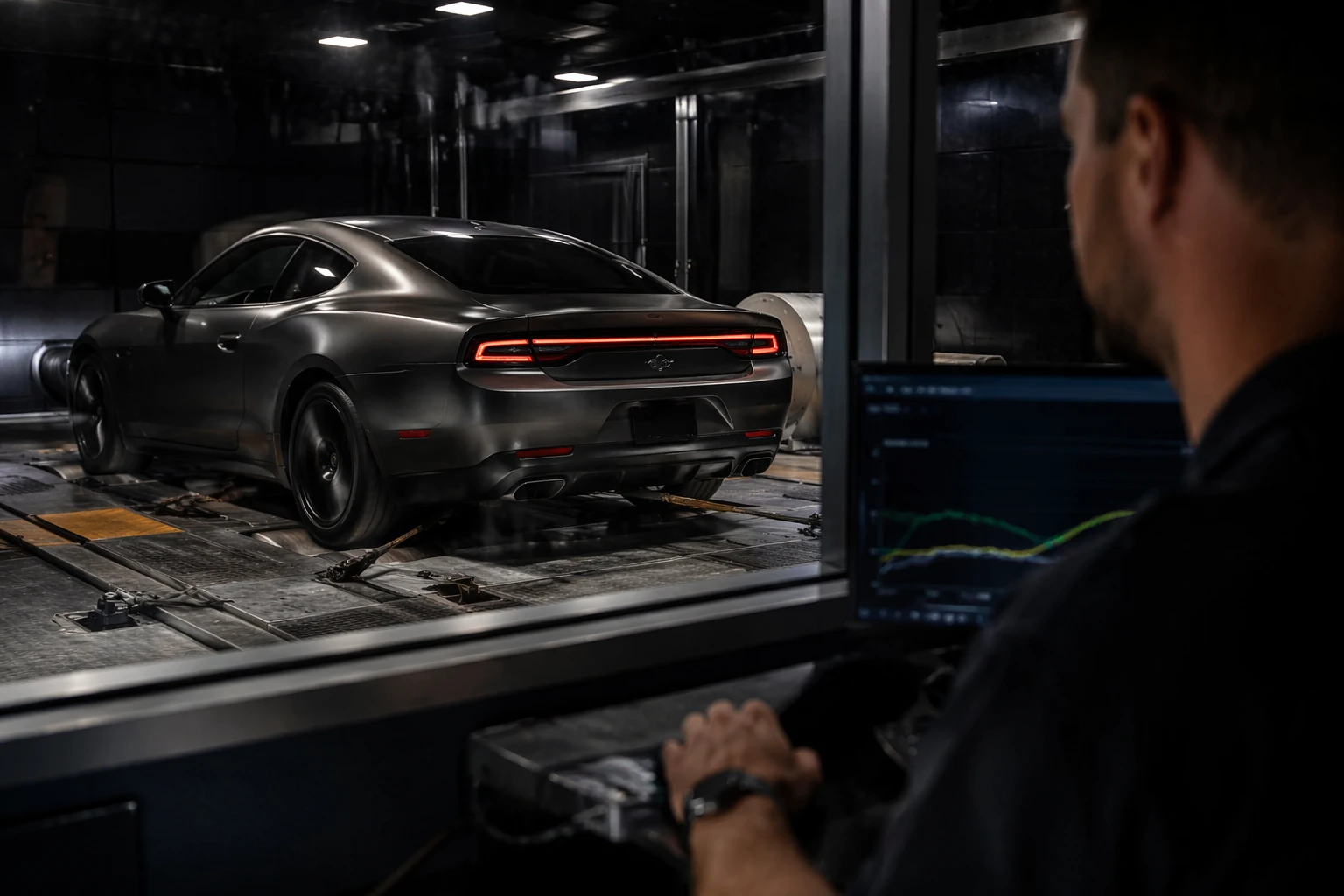
The technical claims are important because they show why automakers are still circling solid-state technology. Stellantis and Factorial said in earlier testing that the automotive-sized FEST cells delivered an energy density of 375 watt-hours per kilogram, charged from 15% to 90% in 18 minutes, and operated in temperatures from -30 degrees Celsius to 45 degrees Celsius. Stellantis had said in 2025 that it aimed to move toward a demonstration fleet by 2026, a timeline that now looks like a key proving ground rather than a guaranteed commercial launch.
Factorial’s own corporate structure also points to how competitive this race has become. The company said it became a public company in June 2026 after a business combination with Cartesian Growth Corporation III and now trades on Nasdaq under the ticker FAC. Its investor base includes Mercedes-Benz, Hyundai, Kia and In-Q-Tel, a sign that established players are spreading bets across the next generation of battery chemistry instead of waiting for one clear winner.

That is the real test of Stellantis’s move. The automaker’s larger stake suggests confidence in Factorial’s technical progress, but it also looks like a strategic option in a field where scale, cost and durability still decide everything. Solid-state batteries are widely viewed as a potential leap forward because they could be lighter, denser and faster to charge than conventional lithium-ion packs. What consumers will notice first, though, is simpler: whether EVs get cheaper, drive farther, charge faster and arrive on time. For now, Stellantis is betting that access to one of the most watched battery platforms in the industry will matter as much as the chemistry itself.