Health
Stem-cell transplant keeps rare autoimmune disease in remission for 15 years
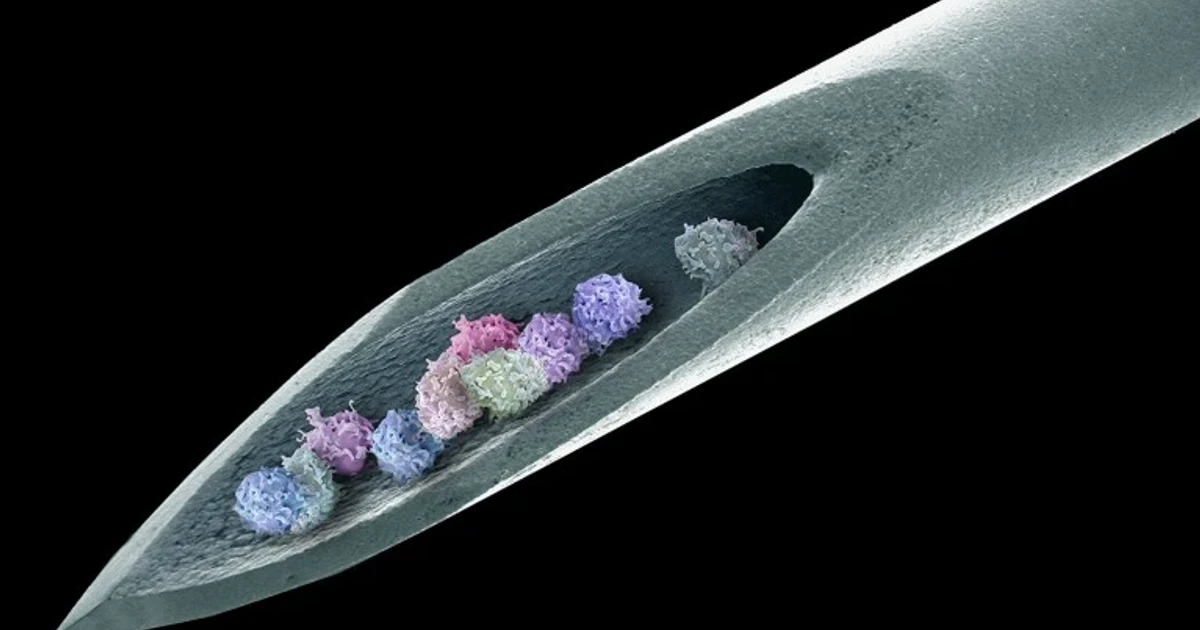
Two people with neuromyelitis optica spectrum disorder have stayed in remission for more than 15 years after a stem-cell transplant, an unusually long outcome for a disease that can attack the optic nerves and spinal cord and leave permanent disability after a relapse. The cases offer a striking proof of concept for resetting a malfunctioning immune system, but they also show how far the field remains from a broadly usable cure.
The patients were the first to receive the treatment for this rare autoimmune disease, making their long follow-up especially notable. Neuromyelitis optica spectrum disorder, or NMOSD, can cause blindness, paralysis and repeated inflammatory attacks that accumulate damage over time. In that setting, a therapy that can stop immune-driven relapses for years is clinically important because even one flare can worsen disability and health-related quality of life.
The transplant approach is hematopoietic stem-cell transplantation, a procedure that has been explored in severe autoimmune disease for more than two decades. Its appeal lies in the possibility of a durable immune reset. Its drawback is the price of that reset: patients typically need powerful immune suppression and a difficult recovery period, which is why the procedure is generally reserved for the sickest refractory cases and handled at specialist centers.

The new long-term result builds on earlier work from Northwestern Medicine and Mayo Clinic. In a 2019 study of 12 NMOSD patients, 10 remained relapse-free at five years after transplant, while 2 relapsed and returned to drug therapy. Some patients in that cohort no longer had detectable AQP4 antibodies after the procedure, a biomarker linked to NMOSD disease activity.
That earlier signal mattered because NMOSD relapses are not benign. Research has shown that cumulative attacks drive long-term disability, and even a single relapse can worsen both neurologic function and quality of life. The disease burden is also financial: earlier treatment reports noted that some NMOSD drug therapies can cost as much as about $500,000 a year, which helps explain why one-time but high-risk transplantation has attracted interest in the most severe cases.
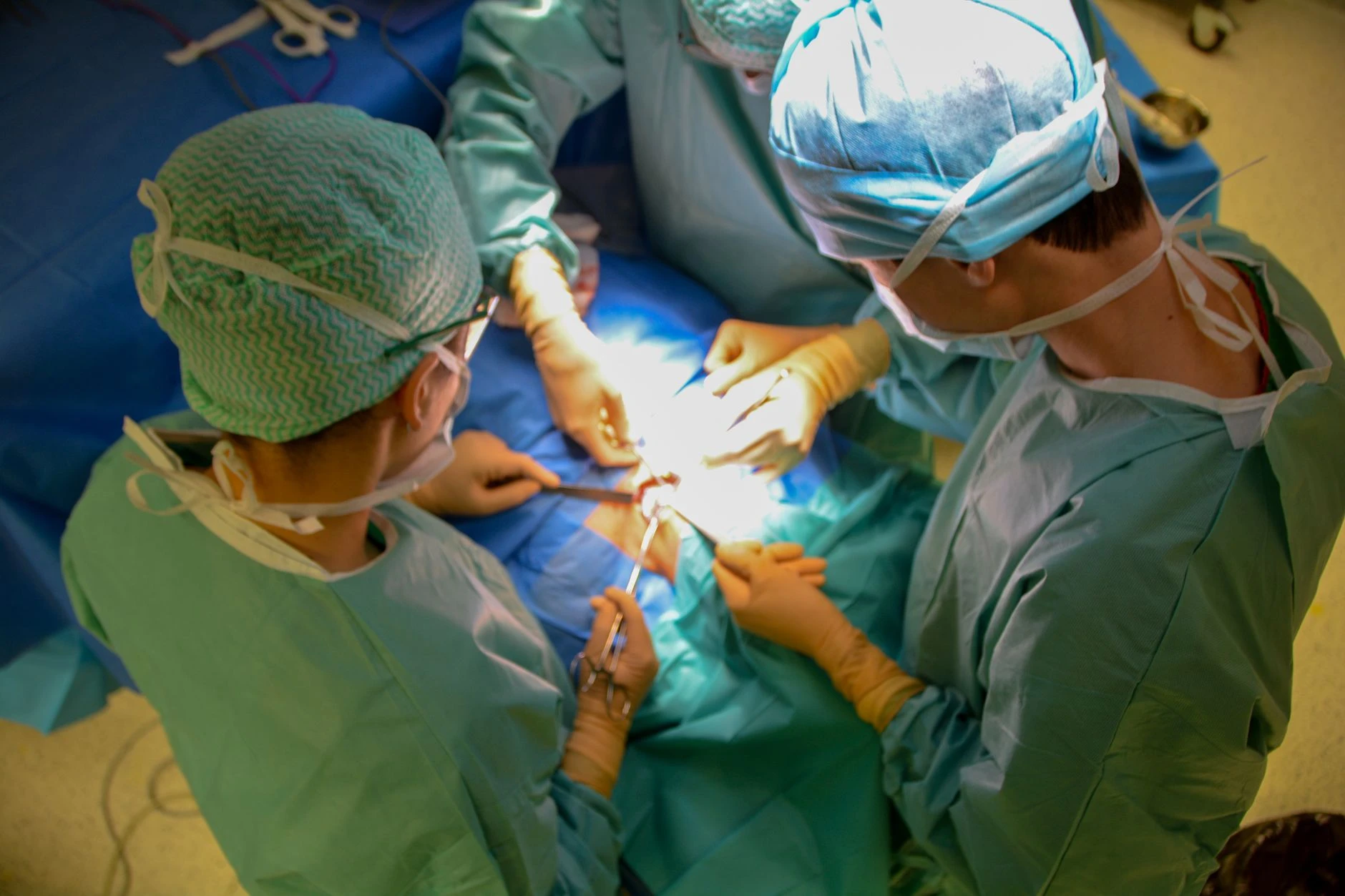
For now, the message is cautious but consequential. Two patients staying in remission for 15 and 16 years does not establish a universal cure, yet it does suggest that stem-cell transplantation can produce exceptionally durable control in a disease where repeated relapses often define the future. The challenge ahead is to identify who stands to gain enough to justify the risks, and whether less toxic versions of the same immune reboot can be made safe for more patients.